


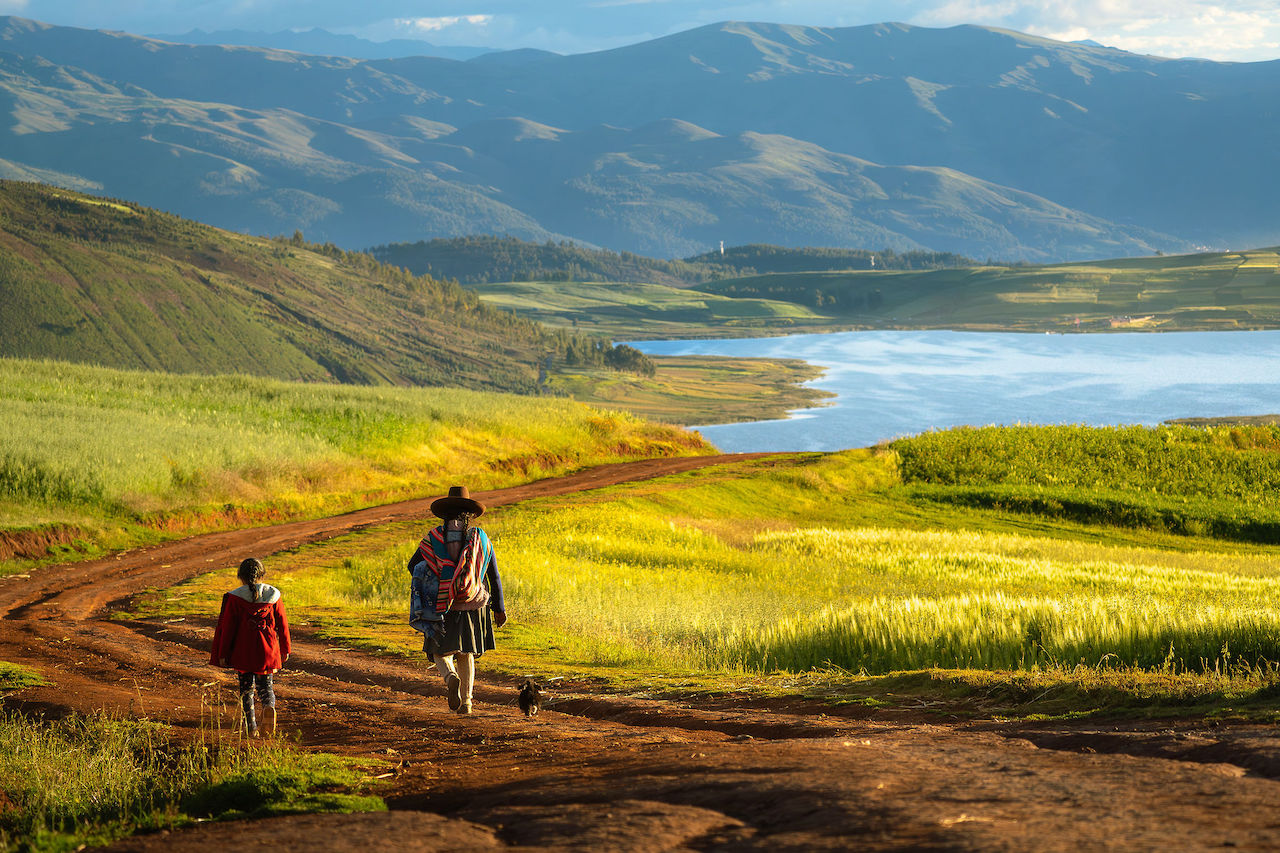

Even if you’re already fluent in ceviche and Pisco sours, Peru still holds plenty of surprises up its colourful sleeve. By Kissa Castañeda
Plump, freshly sliced white fish on a bed of diced sweet potatoes, sliced onions, toasted corn and tangy leche de tigre sauce — the delicious Ceviche Clásico is the reason why many fall in love with Peruvian food. It has become the poster dish of the Land of the Incas, one that has transcended borders and inspired the opening of cevicherias from London to Seoul. While it is a wonderful introduction to Peru, there is still so much more to discover.
“Over the past two decades, Peru has gone from being a destination with an exciting local food culture to one of the world’s great culinary destinations. Restaurants like Central and Maido have helped put Lima firmly on the global gastronomic map, but what has impressed me most is that the food scene has never lost sight of its roots,” says Olie Lever, Head of Americas and Polar Regions at Lightfoot Travel.

Peruvian cuisine is refreshingly complex, built on the bounty of unique ingredients reflecting its biodiverse terrain and over 90 different microclimates. Getting a deeper taste isn’t difficult but requires a sense of curiosity: head to a growing number of family farms opening their doors, book a table at acclaimed restaurants that honour the nation’s singular produce, or if you’re really committed, get a curated itinerary from the travel specialists like Lightfoot Travel that provide access to ultra-local experiences you won’t find in a guidebook. Hungry for a proper taste of Peru? Here are a few starting points.
Take a Bite of Choclo, the World’s Largest Corn
They say big isn’t necessarily better, but that maxim doesn’t apply to choclo — Peru’s popular oversized corn. With kernels nearly four times the size of sweetcorn, this ancient Andean variety has been cultivated in the Sacred Valley for centuries, thriving in the fertile soils fed by the Urubamba River. When the Spanish first came to the country, they asked where the gold was, and the locals pointed exactly where corn was grown because Peruvians consider them to be as important as gold.
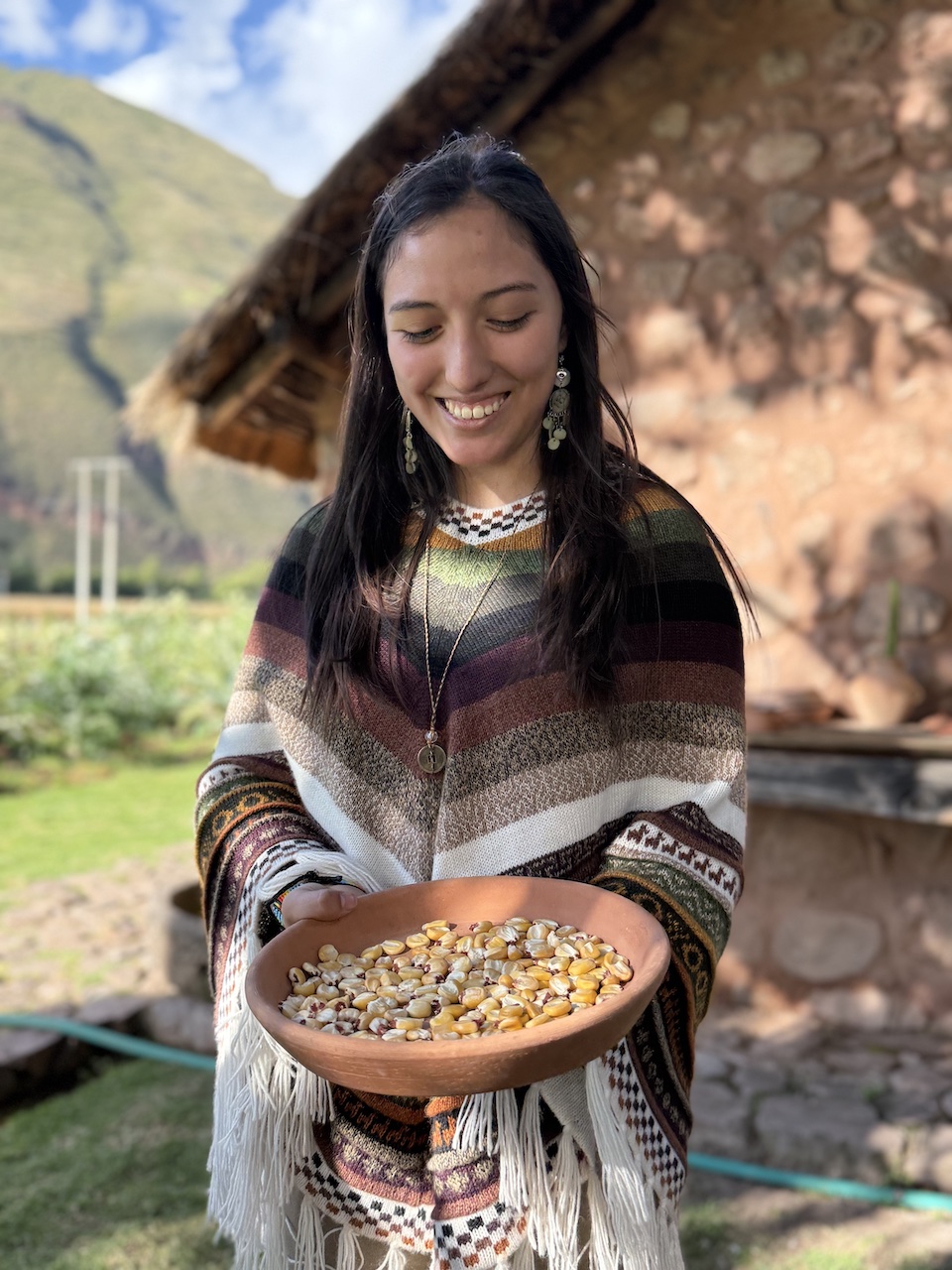
To see how this crop thrives first-hand, visit Hacienda Sarapampa, a family-run estate that has grown giant corn for generations. Here, guests walk through the 100-acre golden fields, learn about traditional farming techniques, and discover why it is one of Peru’s most prized exports (the hacienda’s products line the shelves at Trader Joe’s). Afterwards, taste choclo as it was meant to be enjoyed with a farm-to-table lunch at Hacienda Sarapampa’s garden, a verdant otherworldly setting where baby alpacas run free.
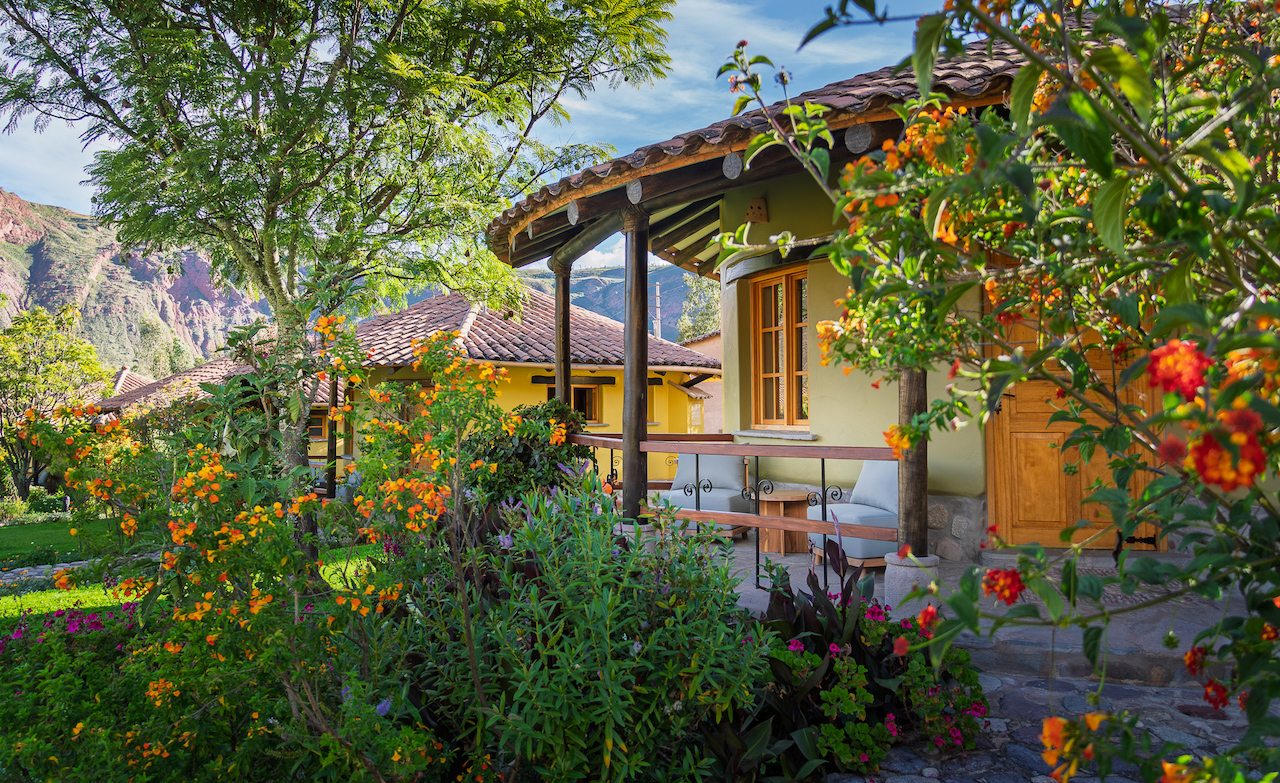
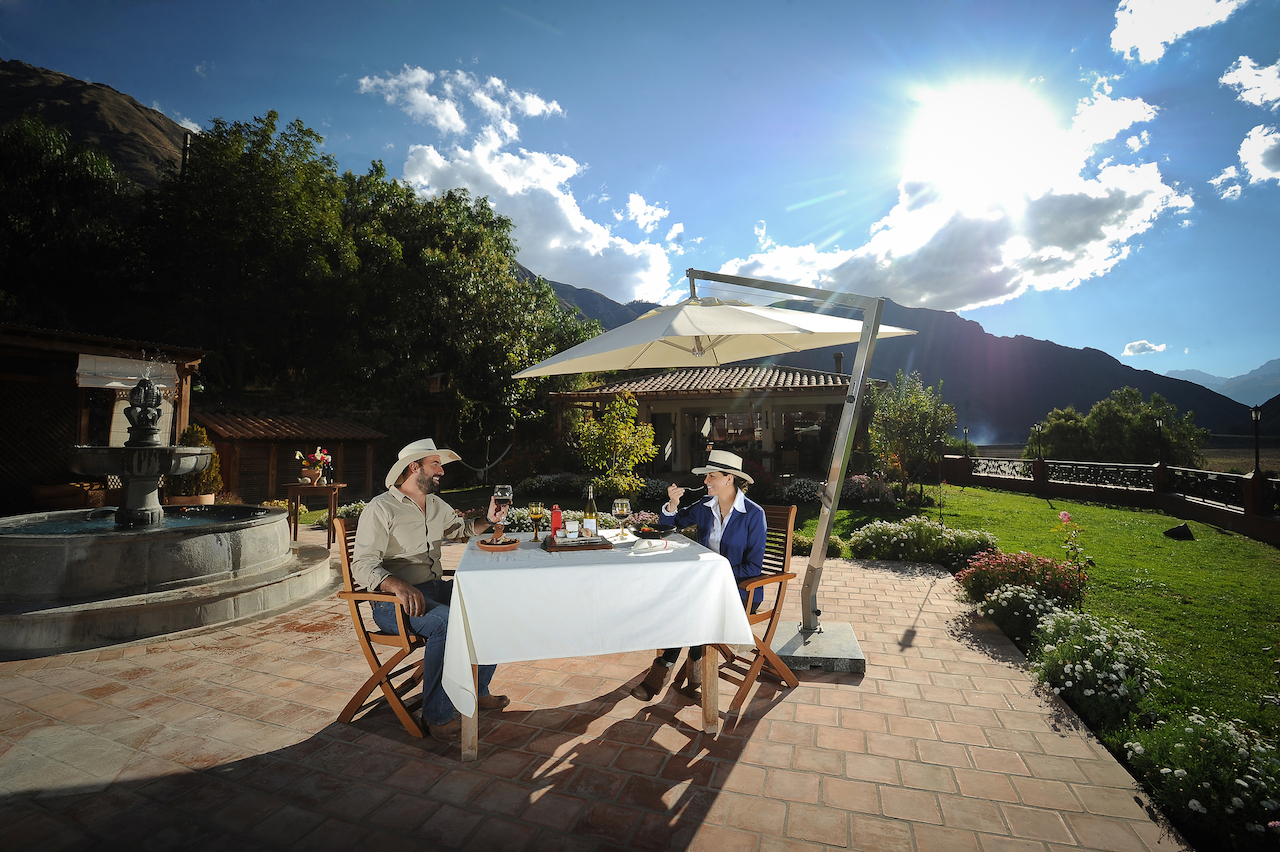
A 30-minute drive away in Urubamba, one can savour Cusco corn at Sol y Luna, a Relais & Chateaux hotel seemingly embraced by mountains. At their ranch-style restaurant Wayra, choclo is served simply with local cheese — a version of the quintessential street snack; it is also incorporated into elegant dishes at Killa Wasi, their fine-casual venue that offers a contemporary take on Sacred Valley’s culinary traditions. Sweet, creamy and surprisingly delicate, a bite reveals why giant white corn is a culinary treasure loved by all.
Get a High-Altitude Culinary Education at MIL Centro
The moment you get to Moray, you instinctively know you’ve arrived somewhere truly special. Located 3,500 metres above sea level, the circular terraces were once home to the agricultural experimentation of the Incas over 500 years ago. Today, the tradition continues at MIL Centro — a distinctive restaurant created by award-winning chef Virgilio Martínez.
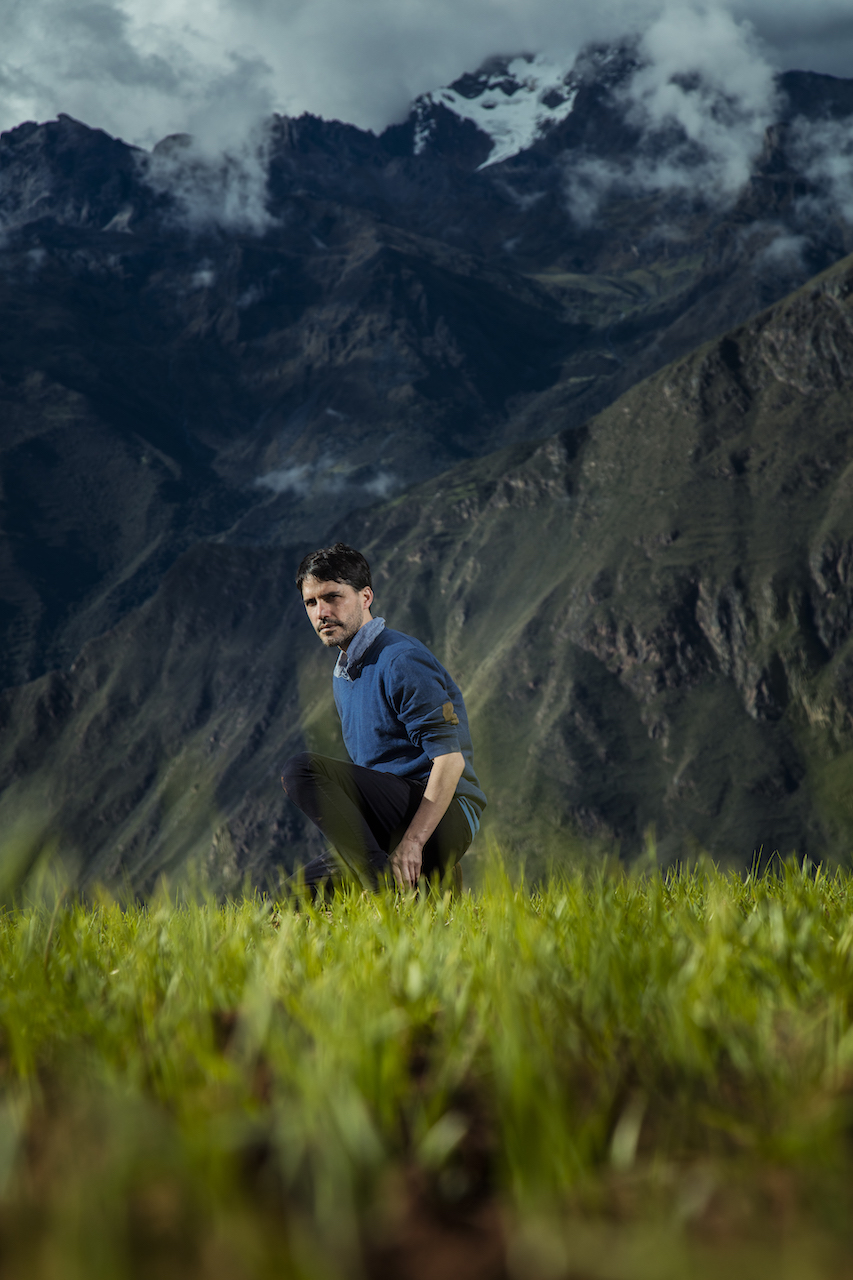
This isn’t just an ordinary perch with an ancient archaeological site for a view, but it also serves as the interdisciplinary research centre of Mater Iniciativa, co- founded by scientist and sister of Virgilio, Malena Martínez. It functions as a living laboratory exploring the ecosystems, ingredients and communities of the Andes, whose findings form an archive and fuel the innovations across the group’s culinary ventures.
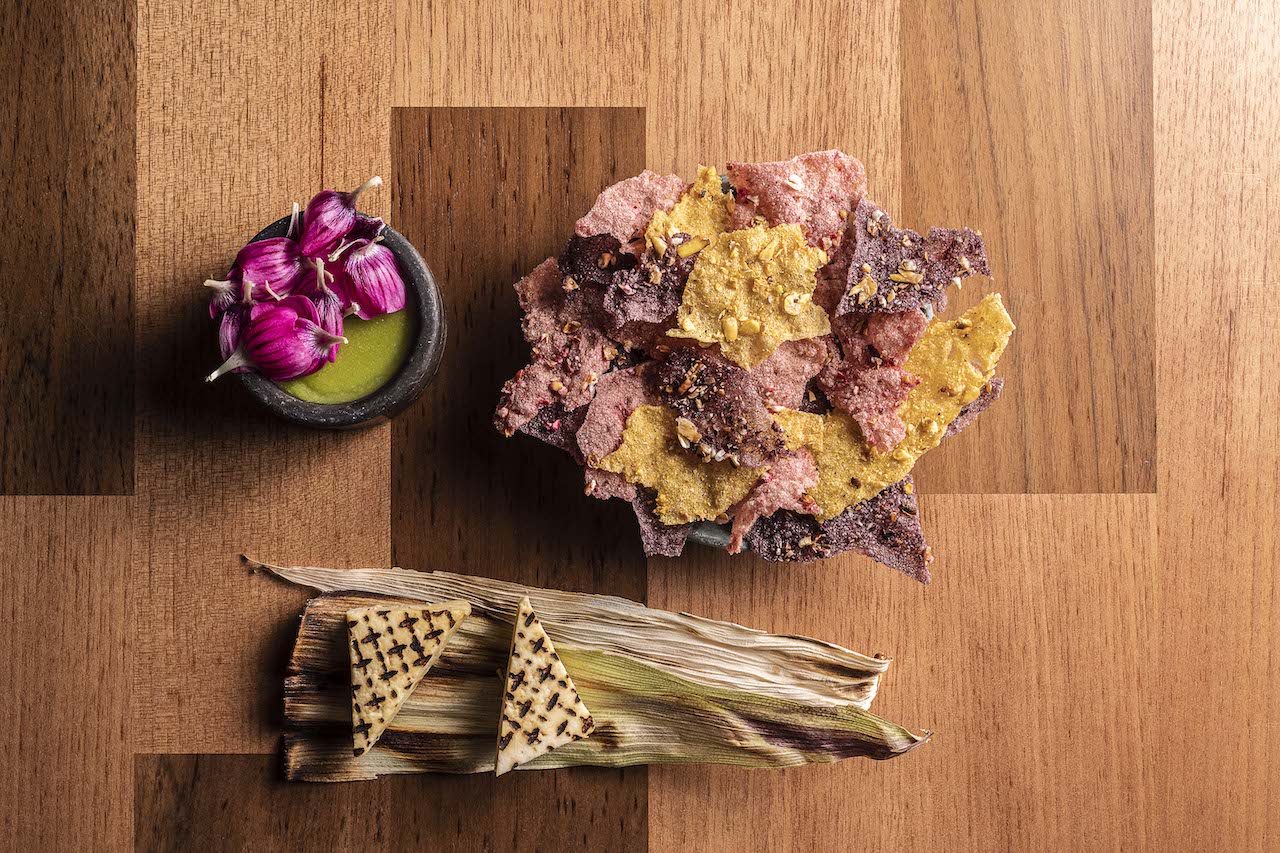
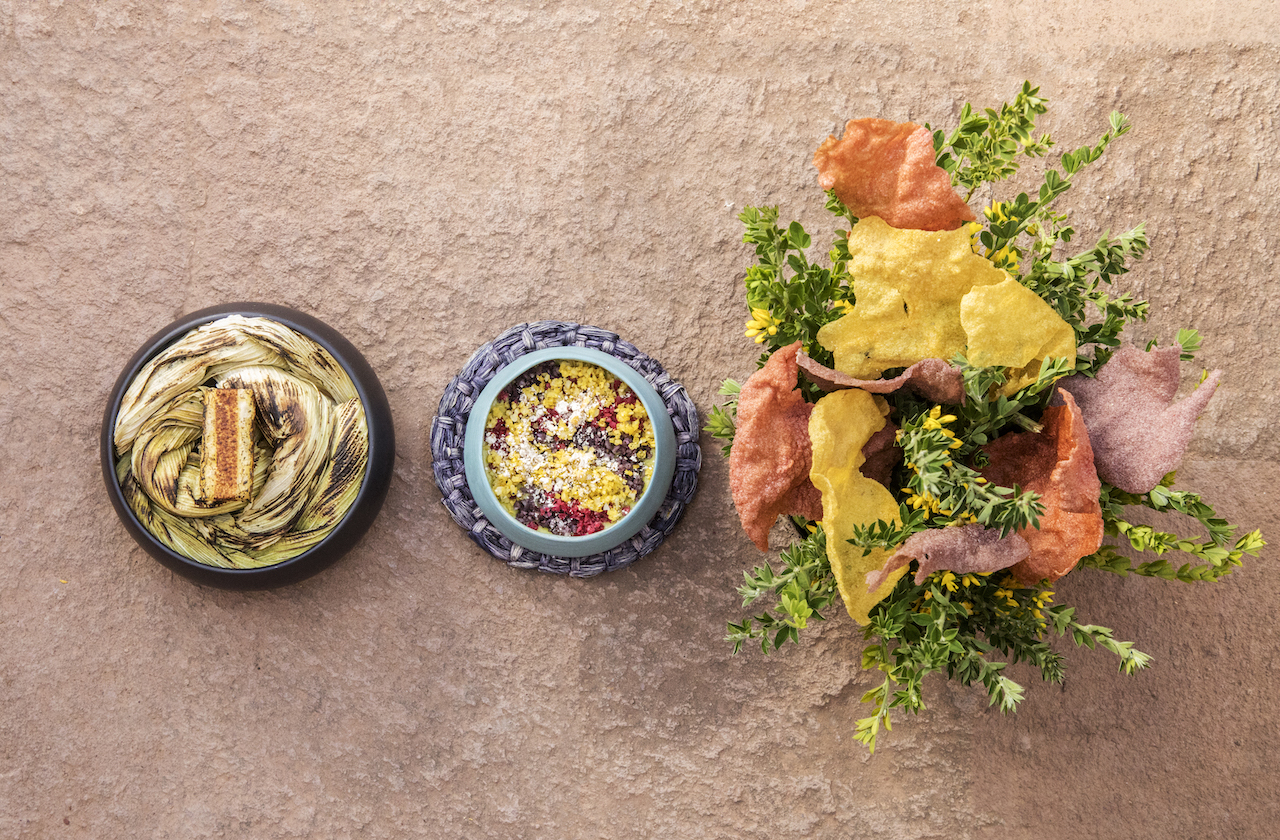
The experience begins with a short walk through MIL Centro’s laboratory, where guests learn how the Incas experimented with agriculture and see a mind-boggling variety of produce found only in this part of Peru. Inside, the eight-course tasting menu is arranged to represent distinct altitudes and areas, with dishes named as Andean Forest and Diversity of Corn showcasing native grains, herbs, tubers, and fermented ingredients. It is an introduction to never-before-seen ingredients and unfamiliar flavours — a fascinating meal that challenges and surprises even the most experienced palates. Equal parts fine-dining meal and cultural immersion, MIL Centro is a window into Peru’s ancient food systems delivered with pure reverence.
Experience the Colourful Universe of Andean Tubers and Potatoes
Unbeknownst to many, the Andes are home to more than 4,000 varieties of native potatoes, alongside an astonishing diversity of tubers found nowhere else on earth. In the Sacred Valley, fourth-generation farmer Manuel Choqque Bravo has dedicated his life to preserving — and honouring — this extraordinary biodiversity.
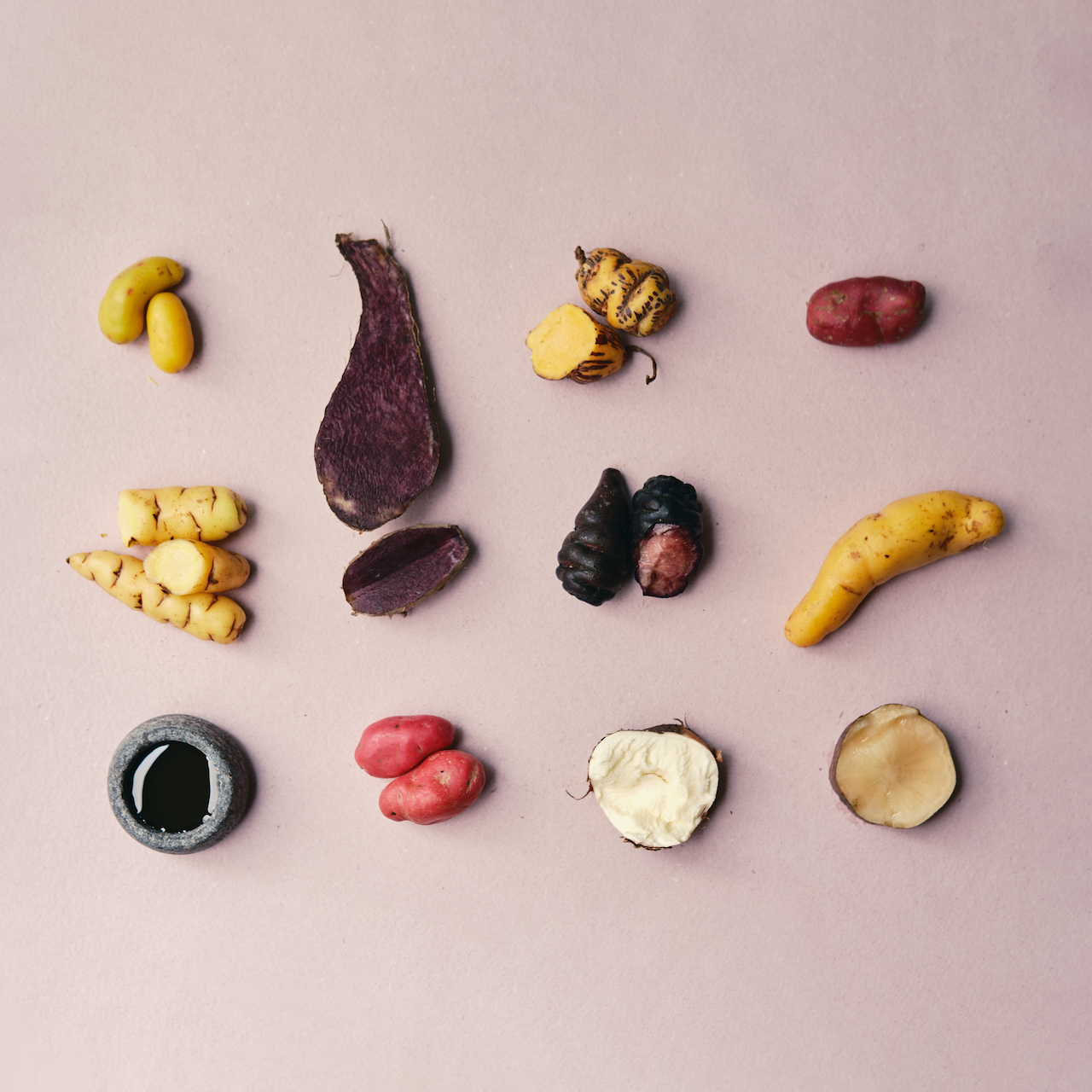
Meeting him at home through an exclusive experience via Lightfoot Travel, one is introduced to a kaleidoscope of native potatoes, oca, mashua and olluco. Bravo explains how indigenous farming practices have safeguarded these crops for centuries while explaining traditional cultivation methods he still uses today. The Andean potatoes look small and ordinary at first, but once he slices it open, you see hints of pink and purple, which he says is a sign it is rich in antioxidants and vitamins. Of course, visitors get to taste it cooked in different ways— as a rainbow of fried potato crisps as well as roasted with herbs served with addictive uchucuta sauce (made of rocoto chillies and Andean herbs). The homemade meal is paired with Oxalis, the world’s first wine made from Andean tubers concocted by Bravo.
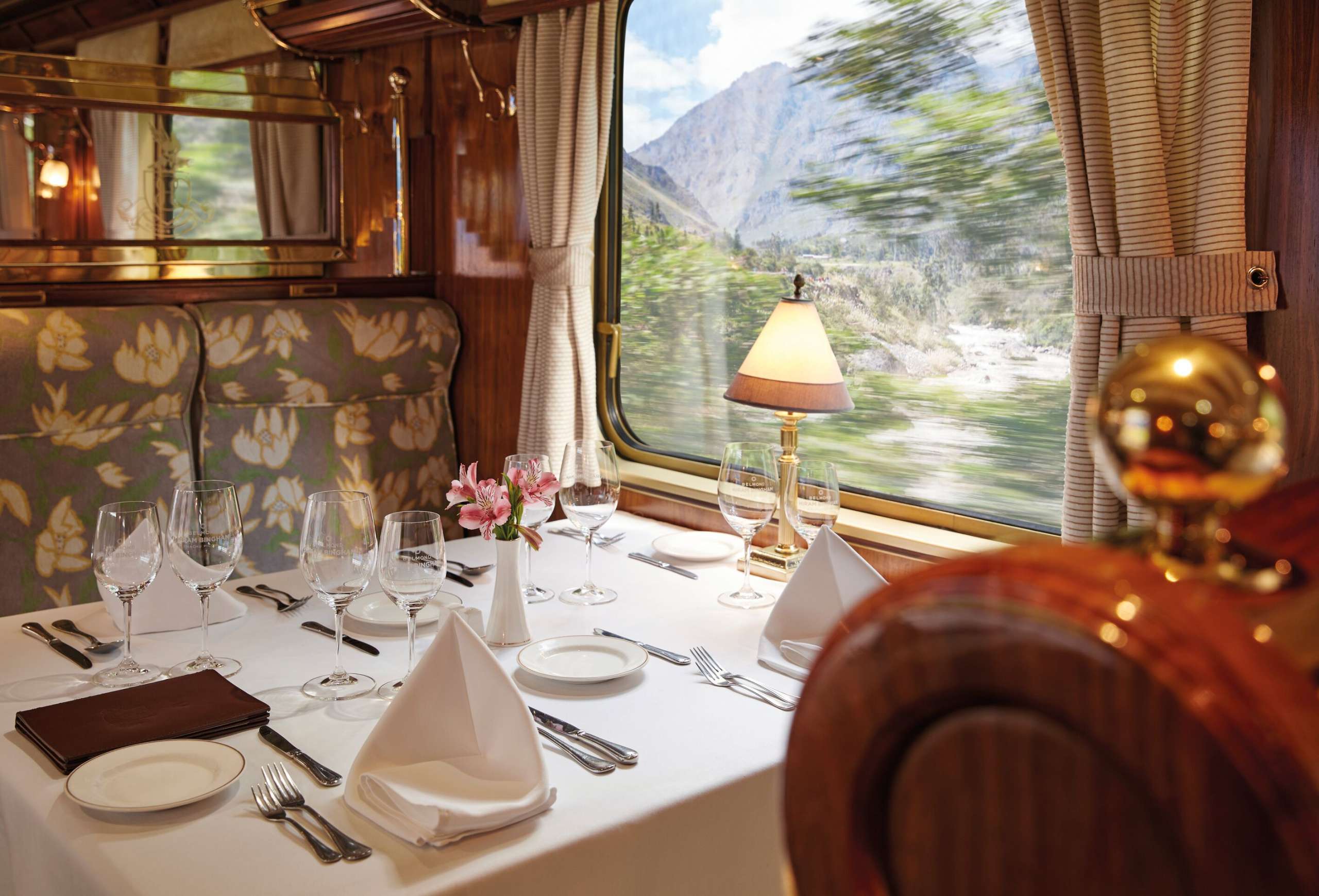
In central Cusco, the restaurant Oqre at Belmond Monasterio and the experience aboard the Belmond Hiram Bingham showcase the native papas (potatoes) in a modern way. Peruvian chef Jorge Muñoz recreates a culinary exploration of Peru, from the highlands to the jungle and down to the coast. The result is a reinterpretation of classic flavours and ingredients, where native potatoes are glazed to form the bed of contemporary ceviche dishes, mashed with local aji and served with artichoke, and crushed as an accompaniment to his signature crispy suckling pig.
Learn More About the Amazing Peruvian Cacao
Peruvian cacao ranks among the world’s finest, yet it often takes a back seat to the country’s well-loved coffee. In fact, Peru is the eighth largest producer of cacao, and notably, the largest organic supplier in the world. At Ciclos Café, one can enjoy thoughtfully brewed Peruvian coffee alongside expertly crafted cacao drinks and chocolate-based creations. The second floor of this leading cafe is devoted to cacao, stocking a range of products from local makers that showcase Peru’s bean-to-bar heritage.
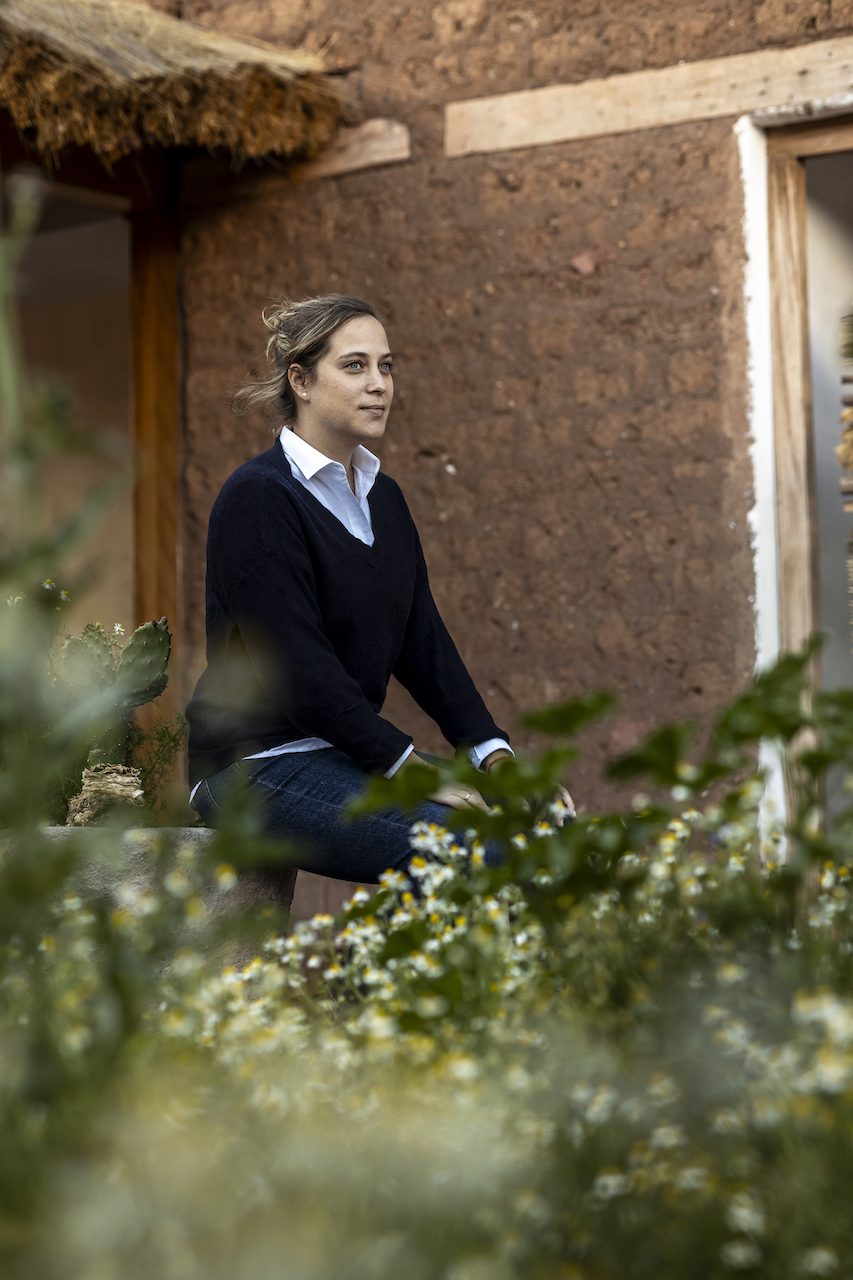
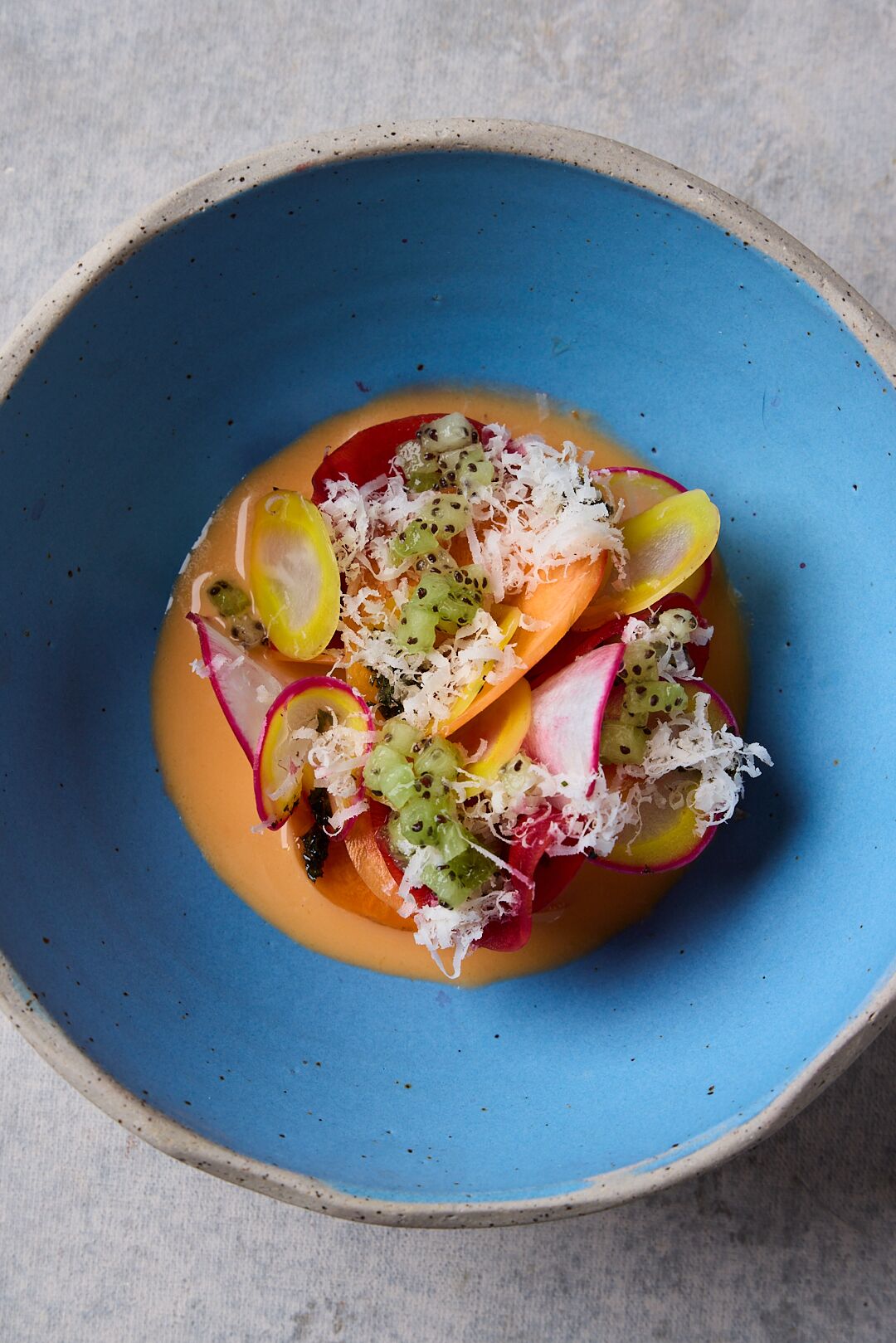
Just a few streets away at Kjolle, the World’s Best Female Chef Pía León invites diners to rethink cacao through a menu that celebrates the ingredient. A highlight is the Theobroma course, which explores cacao’s wider botanical family, including lesser-known native fruits such as macambo and cupuaçu. One is brought to a tasting corner where one learns about the nuances of each “cousin”, an experience that concludes with an array of desserts including pralines or Theobroma “spaghetti” that reveal unexpected layers of flavour. Casa Tupac, which houses both restaurants Kjolle and Central, has a Theobroma Lab — an on- site research and educational space dedicated to studying Peru’s cacao biodiversity.
Explore Barranco, Lima’s Most Happening Culinary Neighbourhood
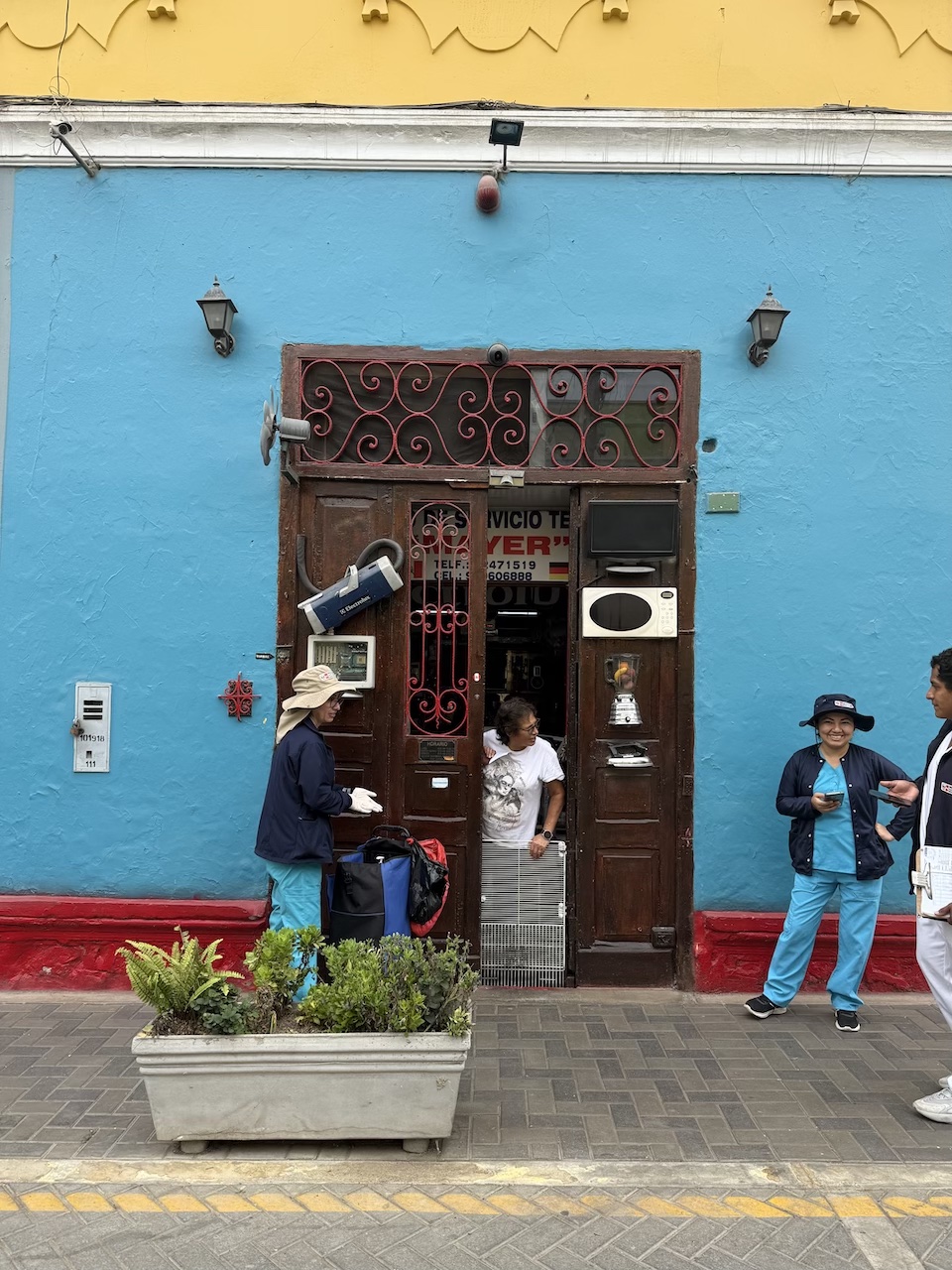
Once a bohemian, beachside district where Limeños went to relax, Barranco has evolved into one of South America’s most exciting culinary enclaves. Dotted with vibrant murals and elegant mansions, this coastal area is where boundary-pushing restaurants sit alongside generations-old spots. Exploring its charming streets with Chef Penelope Alzamora, a culinary expert who has worked alongside renowned Chef Gastón Acurio, offers an insider’s perspective on the neighbourhood’s food culture. Alzamora not only knows Peruvian cuisine inside and out, but is a local who lives in Barranco and knows almost every restaurateur by name.
Our first stop was Canta Rana, a huarique — an informal, family-run eatery — beloved by locals. Here we enjoyed the rare bonito ceviche paired with Chicha morada, a rich, purple corn drink. Then she brought us to La Perlita, a characterful taberna serving impeccably fresh ceviche and tiradito, as well as a rotating menu made from seasonal ingredients. Every dish was a star, but what really makes this spot shine is its relaxed atmosphere that feels effortlessly Limeño.
Traversing the streets on your own is also highly recommended, but best to bring an appetite with you. If you can’t get a table at Mérito, the city’s hottest restaurant by Venezuelan-born chef Juan Luis Martínez, there is always another spot to indulge around the corner (namely his casual spot Clon). And don’t leave the neighbourhood without scoring his famous flan, also available at cafe Demo down the road.
