


A Master of Wine, and three of Singapore’s more discerning sommeliers think it is high time more wine lovers knew more about English sparkling wine. Text: Dawson Tan
On a small number of wine lists in Singapore — lists confidently anchored in Burgundy, Barolo, and Champagne — English sparkling wine has appeared. One or two bottles deep, unremarked upon, placed there by sommeliers who know exactly what they’re doing and are in no hurry for anyone to notice. The question is not whether it belongs, but why anyone considered it at all.
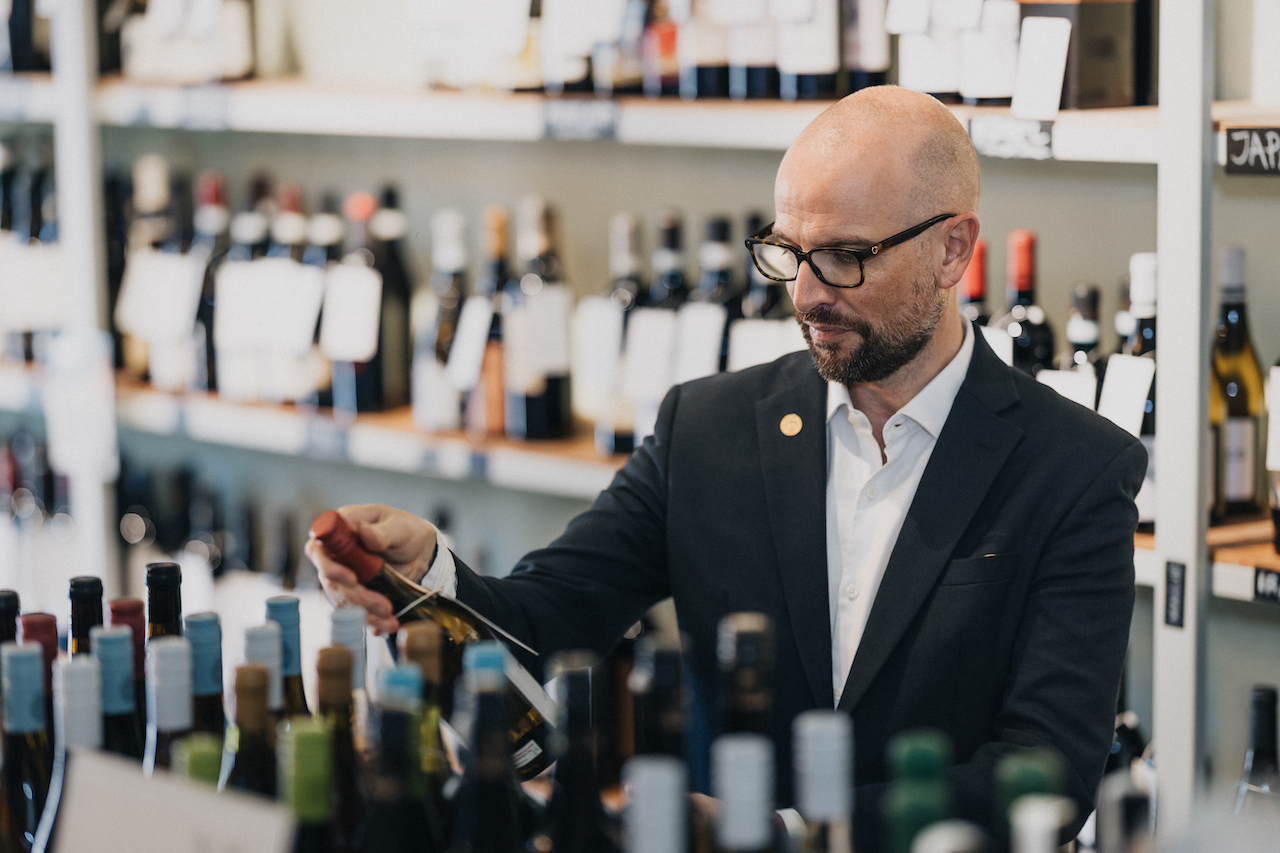
Richard Hemming is one of fewer than 700 Masters of Wine in the world. Singapore-based, he has been tasting and writing about English sparkling wine longer than most people knew England made wine worth writing about. But he isn’t about to try and convert you. Asked why someone in Singapore who has never given English wine a moment’s thought should care, his answer is not what you might expect: “Honestly, they probably shouldn’t. But 20 years ago, nobody in Singapore cared about Japanese whisky either. So you never know what might catch on.”
The Japanese whisky parallel isn’t a throwaway. That category built a reputation among connoisseurs who were paying attention before anyone else was. Today, it has moved so decisively into the cultural mainstream that demand has outpaced supply at the top end. Whether English sparkling follows the same arc is not yet known, but the groundwork does feel familiar.

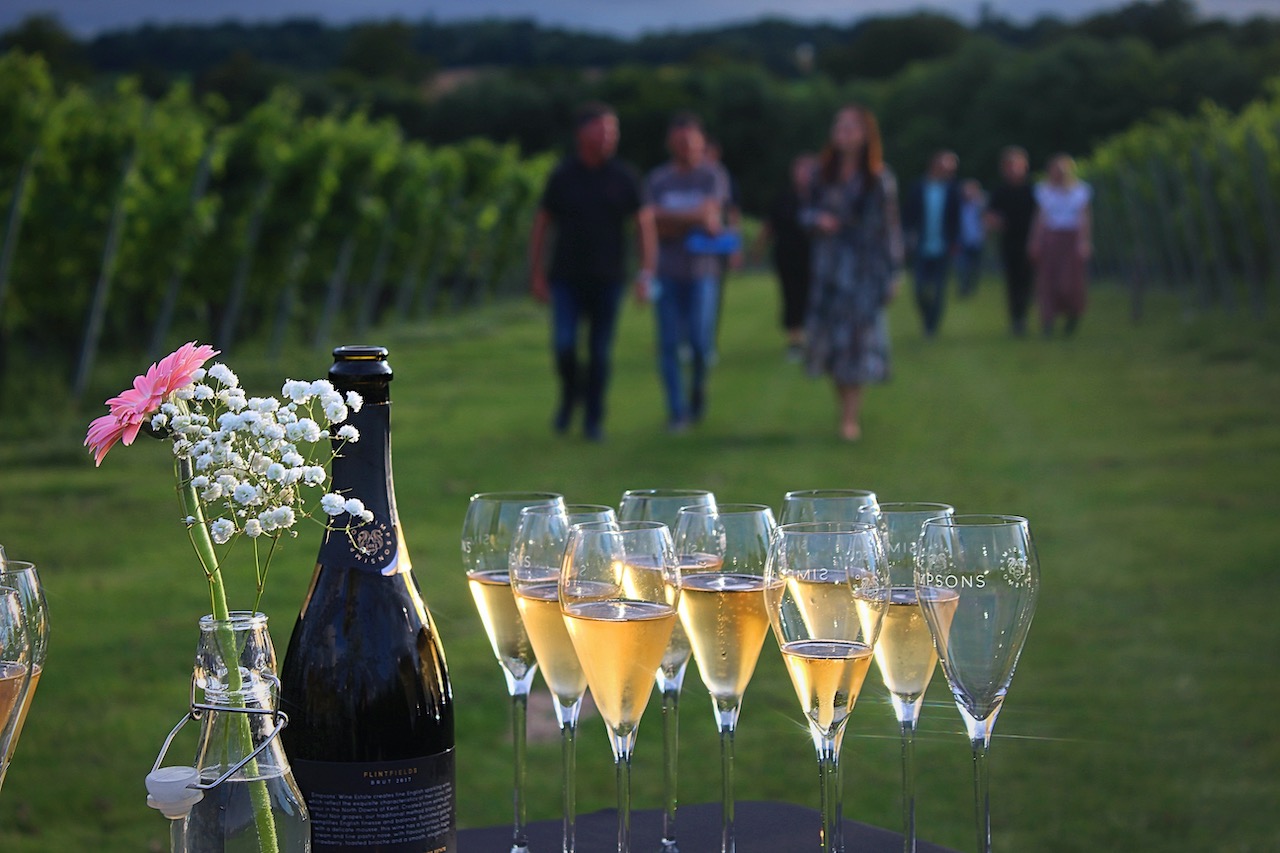
The wines themselves are made in the same way as champagne — with second fermentation in the bottle, same classic grape varieties — and in their finest expressions, grown on the chalk soils of Kent, Sussex and Hampshire. These soils belon to the same Upper Cretaceous formation that runs beneath the English Channel and re-emerges in the Champagne region. It is also the reason Taittinger, one of Champagne’s great houses, spent more than £15 million planting vines in Kent, identifying the geology as its reason for choosing the site.
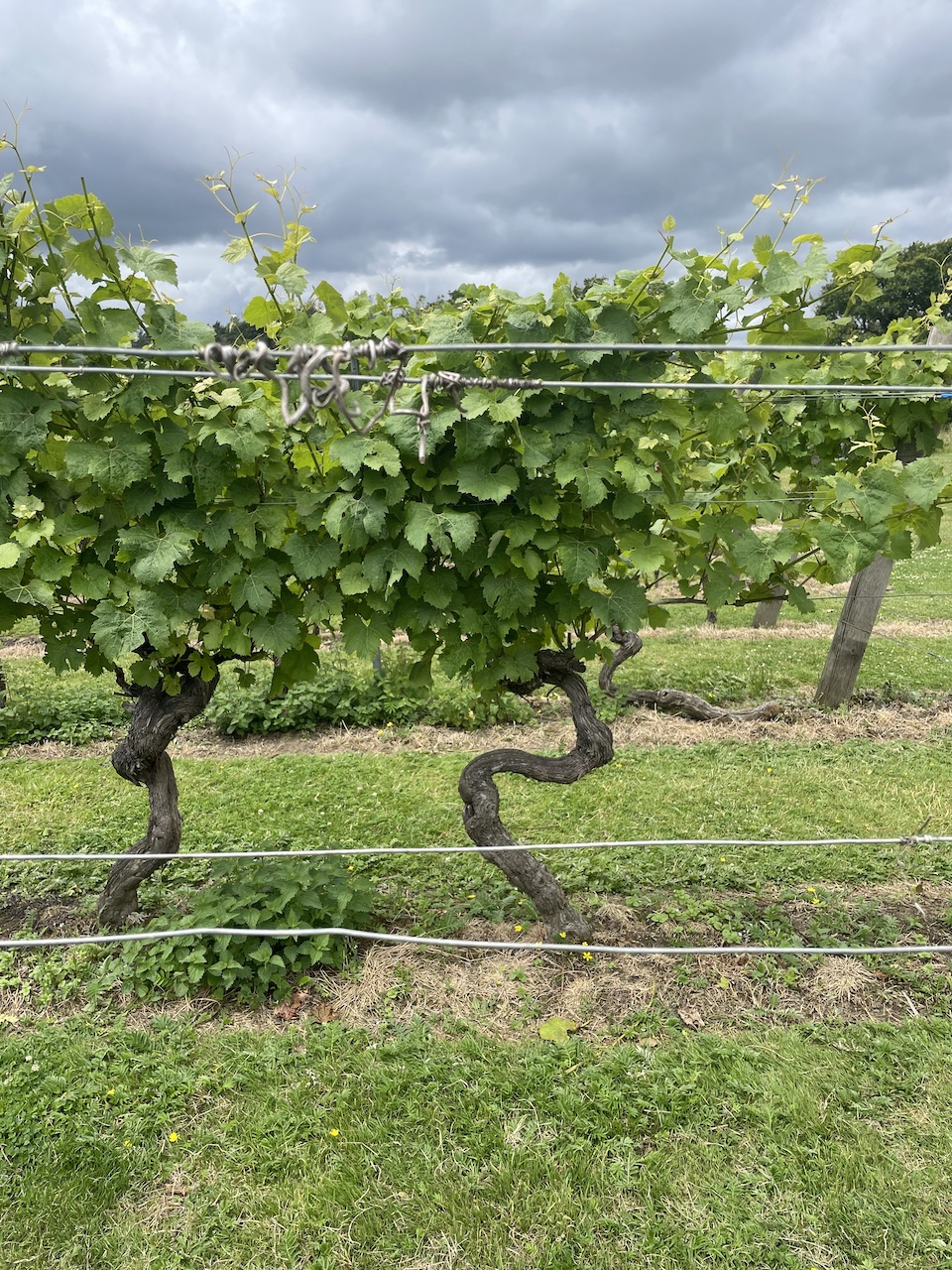
The climate in southern England now mirrors what Champagne experienced decades ago: cool enough to retain the high natural acidity that makes sparkling wine worth drinking, and warm enough to ripen fruit with consistency. “English grapes can now be reliably ripened in most years,” says Richard. “This wasn’t true 20 years ago.”
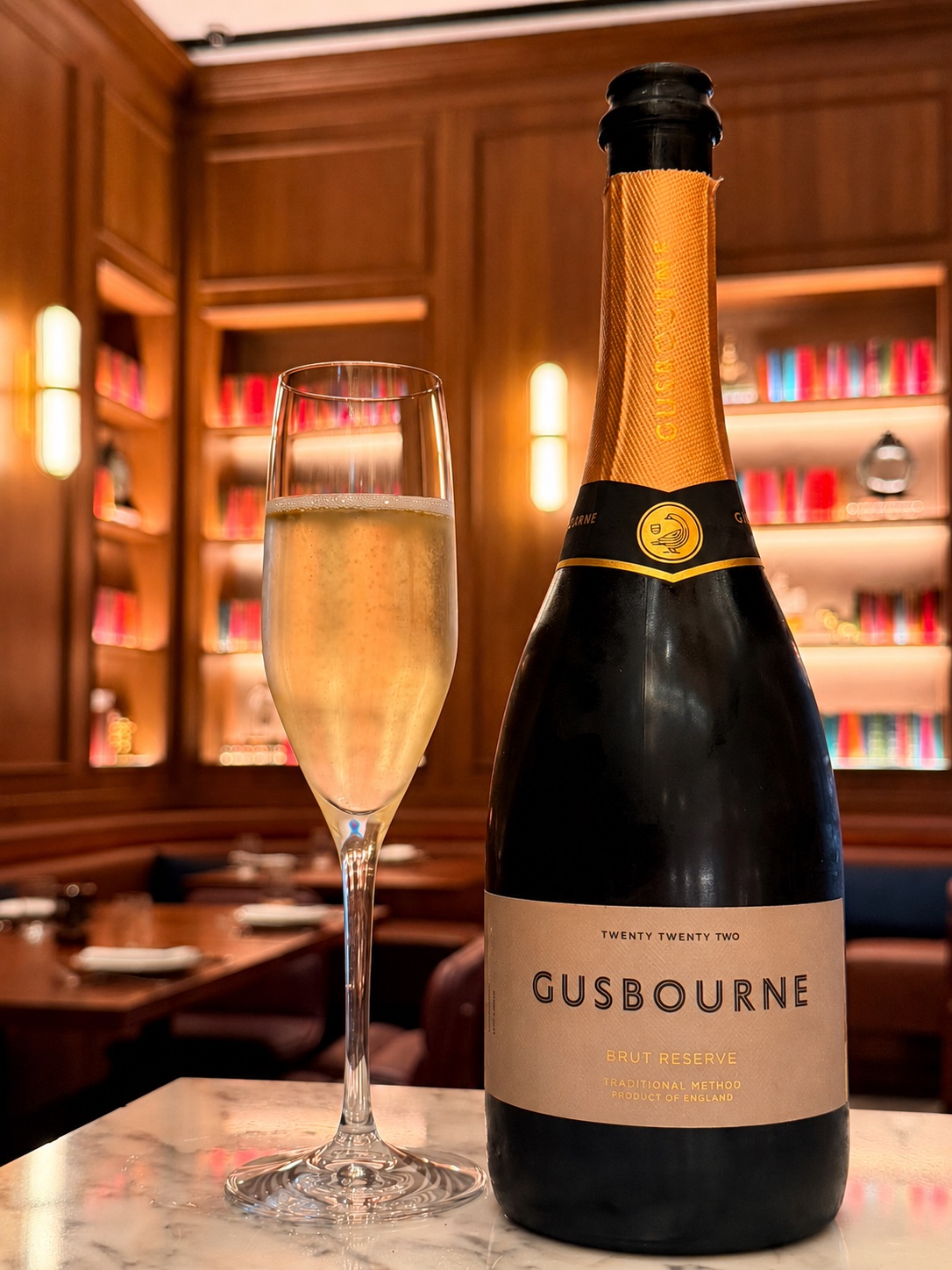
In the glass, expect something bright and precise — citrus and green apple up front, with toasty depth arriving with age. For a first try, Richard points to Nyetimber, Roebuck, and Gusbourne — the last of which he knows with some intimacy, having spent a harvest there as a vineyard hand.
So where does one find English sparkling in Singapore, for those inclined to investigate? Three venues have made it a considered part of their wine list, each arriving at the decision from a different perspective.
Yeo Xi Yang built Convivial as Singapore’s only champagne-dedicated bar, which makes his decision to stock English sparkling less an act of whimsy than a statement with weight behind it. He is also clear-eyed about where the category currently stands. In a blind pour against champagne, he says, guests can usually identify champagne as the more layered, complex wine — and he doesn’t sidestep the reason. Champagne draws on vines often 30 to 50 years old; English sparkling, in many cases, is working with vines of eight to 15 years.
“Wine is an agricultural product,” Xi Yang says. “Elements like time cannot be hastened.” However, his enthusiasm for the category is no less palpable. He describes English sparkling as “peering into the future”, a preview of a wine closing the gap between what it is now and what it could be.
At Jaan by Kirk Westaway, head sommelier Bella Sudarat Jankaew starts the conversation before she opens a bottle. When a guest expresses curiosity, she asks what they usually enjoy in champagne and steers from there. “It’s about sharing a discovery,” she says. The approach sidesteps the need for a sales pitch, as guests who arrive at English sparkling through their own stated preferences tend to receive it very differently from those simply handed something unfamiliar. And when she does pour it blind, the results are consistent: guests assume they’re drinking a grower champagne.
When she tells them otherwise, the question follows almost every time: “Why hasn’t anyone told me about this before?” “It’s not about proving it’s better than champagne,” she says. “It’s about introducing guests to something new with its own identity and story that genuinely exceeds their expectations.”
At Stags Head Steakhouse, group sommelier Helmy Marzuki didn’t list English sparkling as an option. He made it the house pour — by the glass, in a restaurant built around red meat. Positioned as the third choice after prosecco and champagne, it would have been invisible, and he knew it.
“If we treated English sparkling as the third option, most guests would probably default to what they already know.” To guests who ask what they’re drinking, he is plain: “This is not prosecco. And it is not a novelty.” Poured blind, most are surprised by the polish — placing it far closer to champagne than they expected, and many not guessing England at all.
The more unexpected moments, he says, come from the English sparkling rosés on the list: deeper in colour, more textural in character than many rosé Champagnes. “They have their own personality.” It is, perhaps, the most honest indicator of where the English sparkling category is heading — not towards champagne, but away from needing to be measured against it.
For a category that has spent centuries defining what the rest of the world should aspire to, Champagne’s vote of confidence in English soil is rather telling. It ultimately suggests that the people with the most to lose from English sparkling success don’t think it’s going to just be another fad. And that, more than any tasting note, is worth sitting with.
