


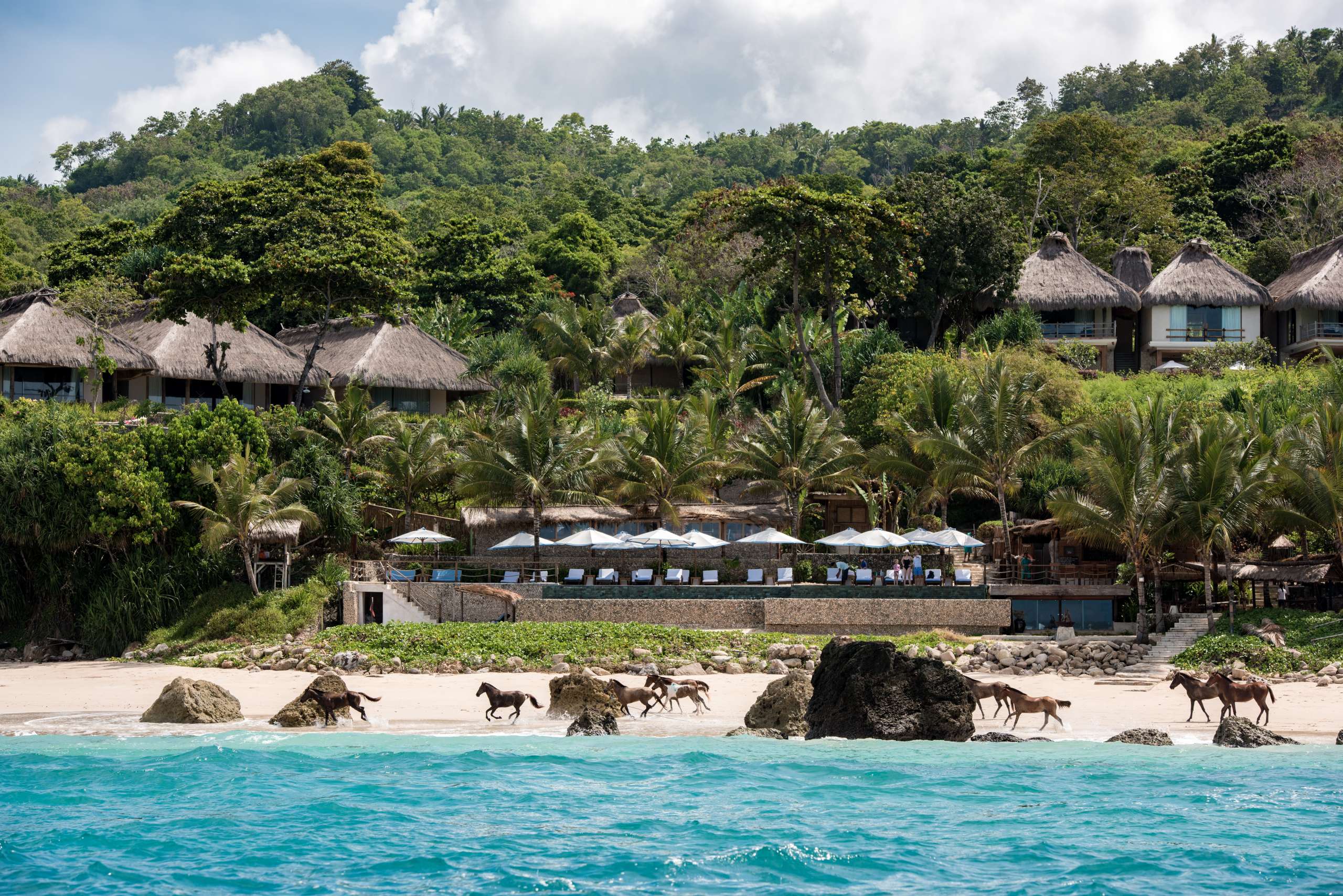

On 18 September 2026, the MICHELIN Guide unveiled its second global MICHELIN Key selection, expanding its hotel recognition to 2,832 properties around the world. This year’s announcement introduces 470 new hotels across 79 destinations, while 18 properties receive Three MICHELIN Keys for the first time and more than 80 hotels move up within the selection.
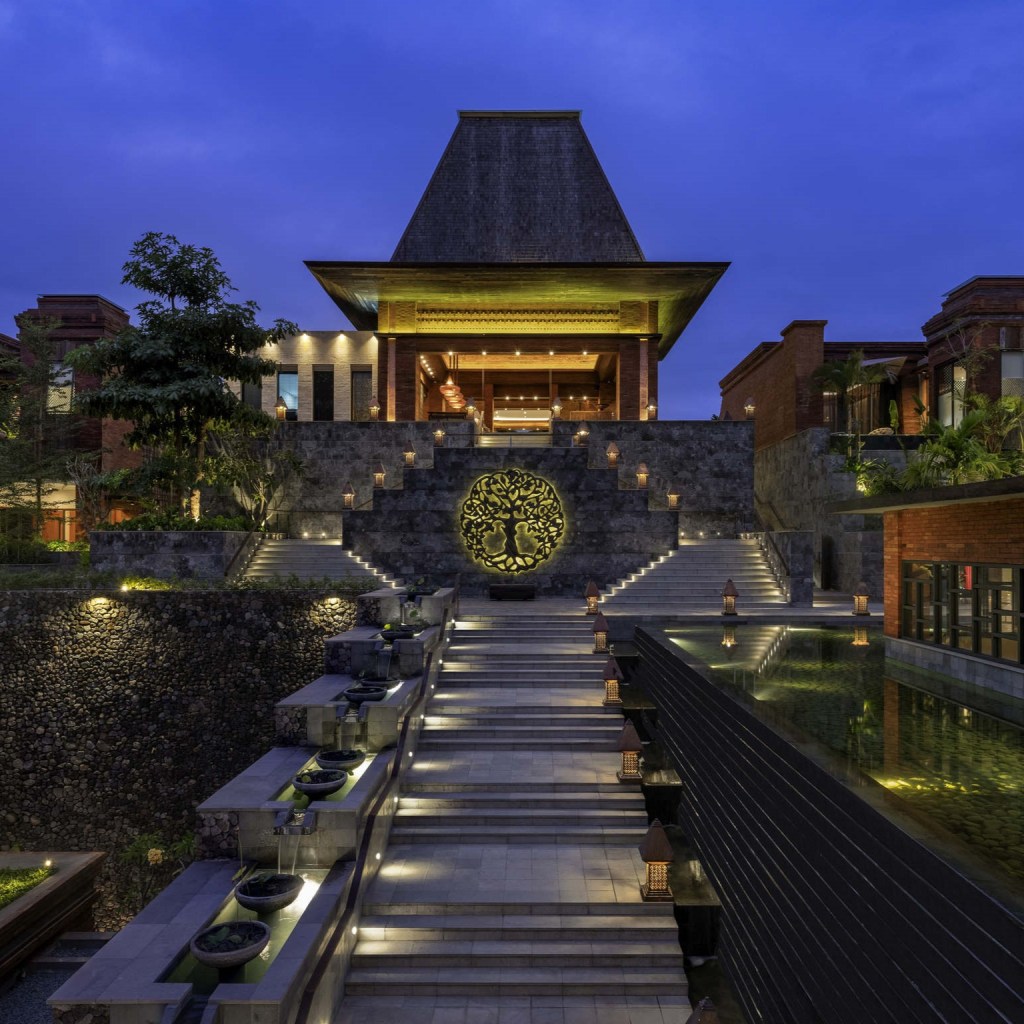
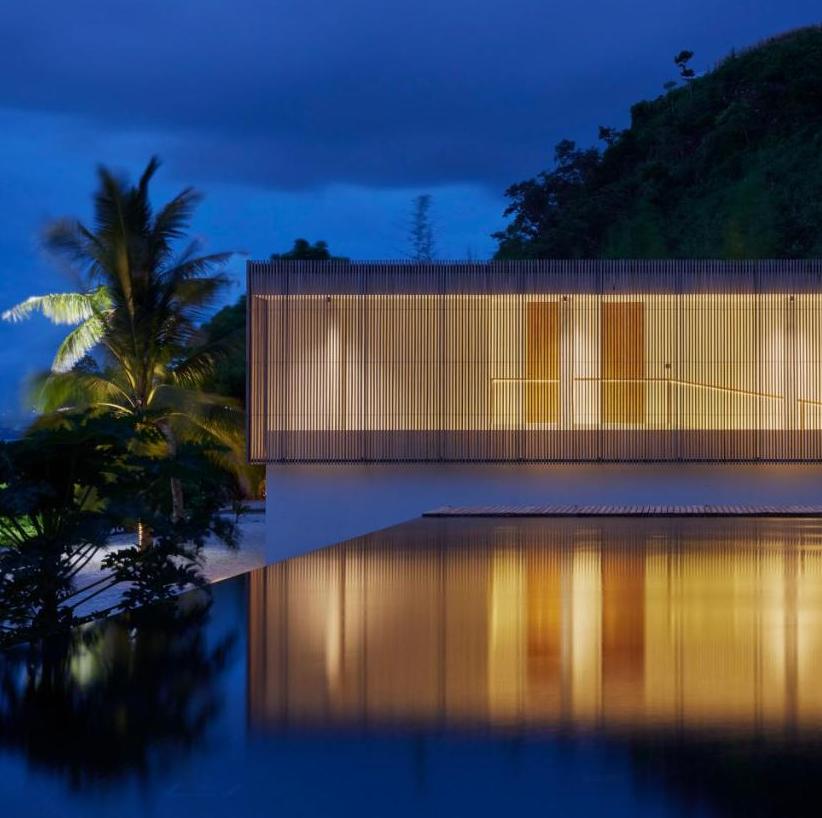
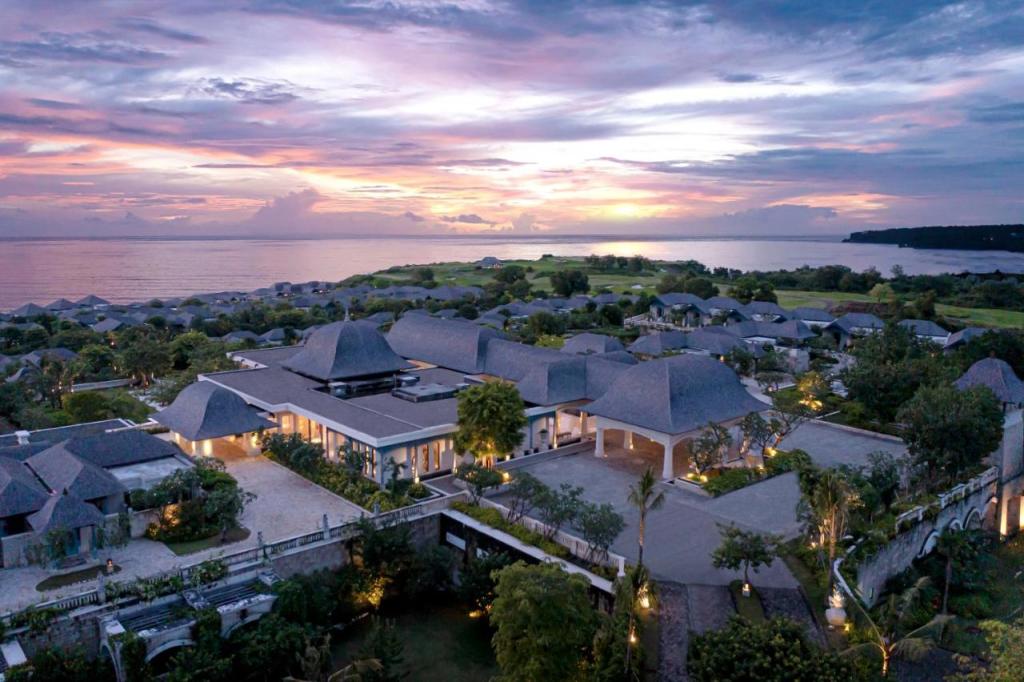
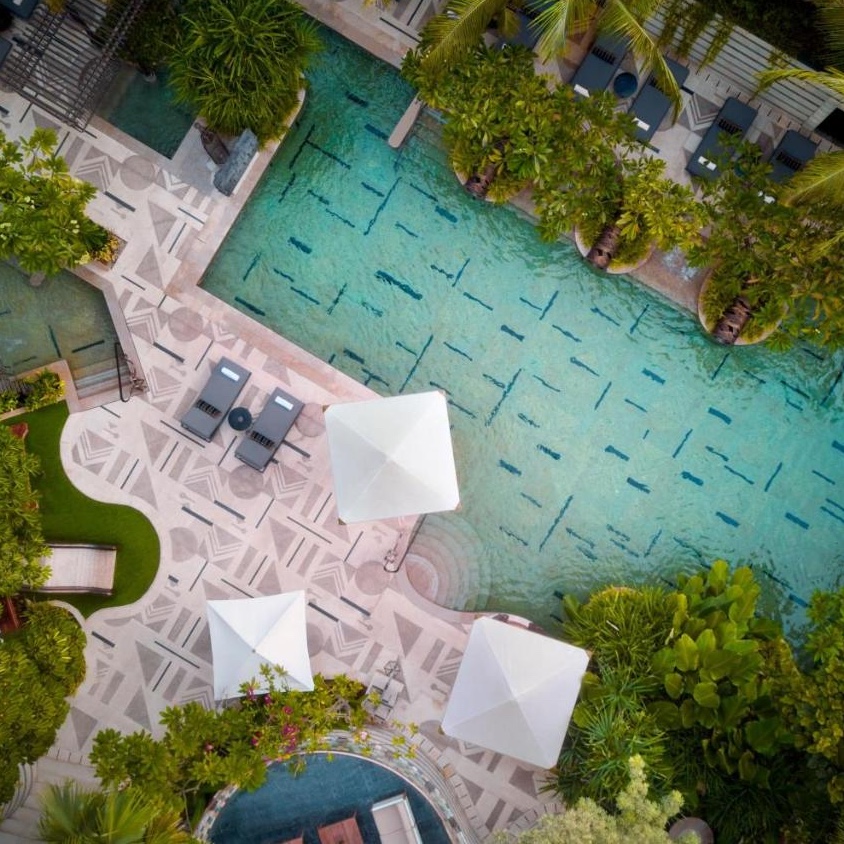
For Indonesia, the announcement is particularly notable. The 2026 selection recognises 47 hotels across the country, spanning Bali, Java, Lombok, Sumba and Labuan Bajo. More than an expansion in numbers, the selection offers a portrait of Indonesia’s increasingly diverse luxury hospitality landscape, where established icons sit alongside contemporary lifestyle hotels, intimate retreats and new destination properties.
Three Keys at the top
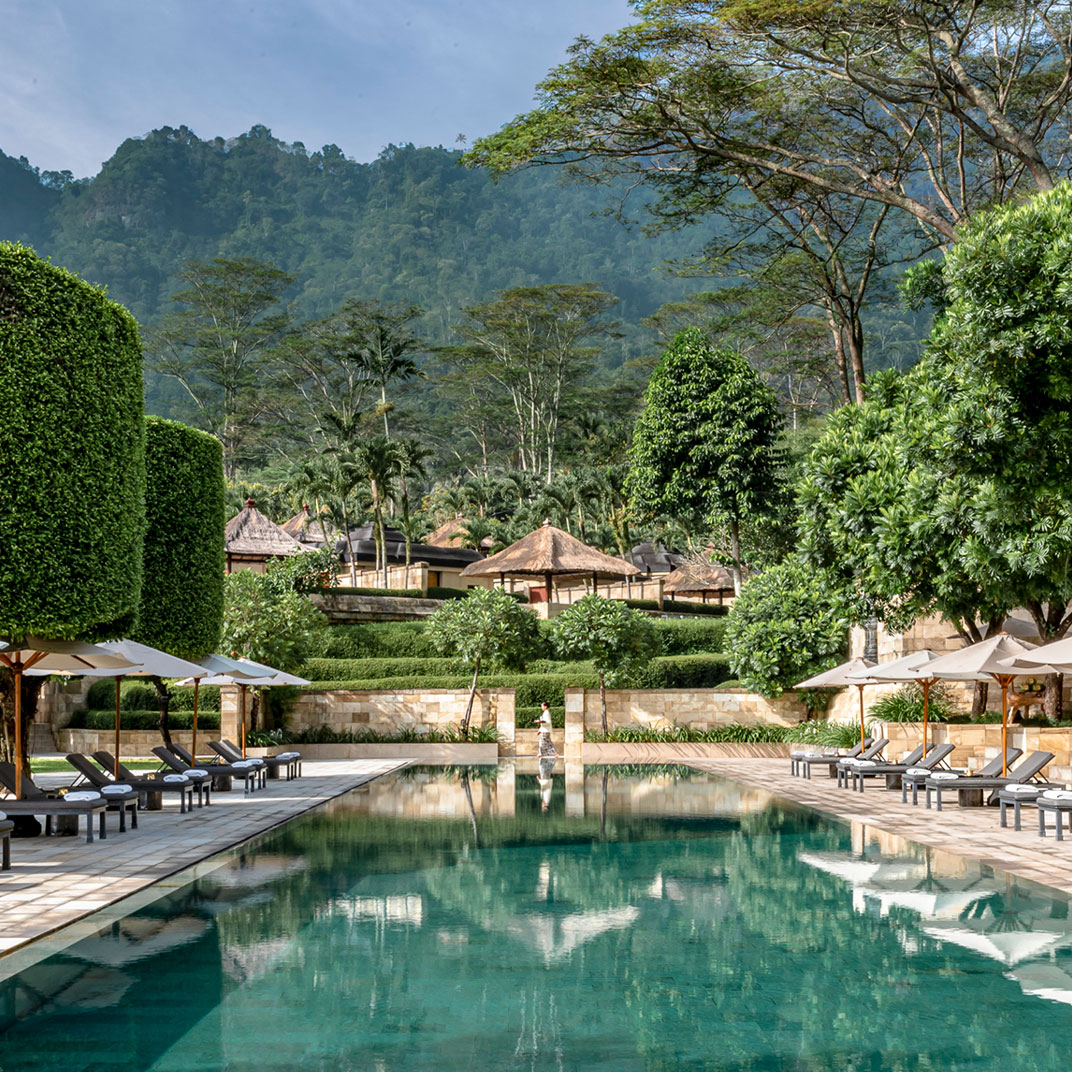

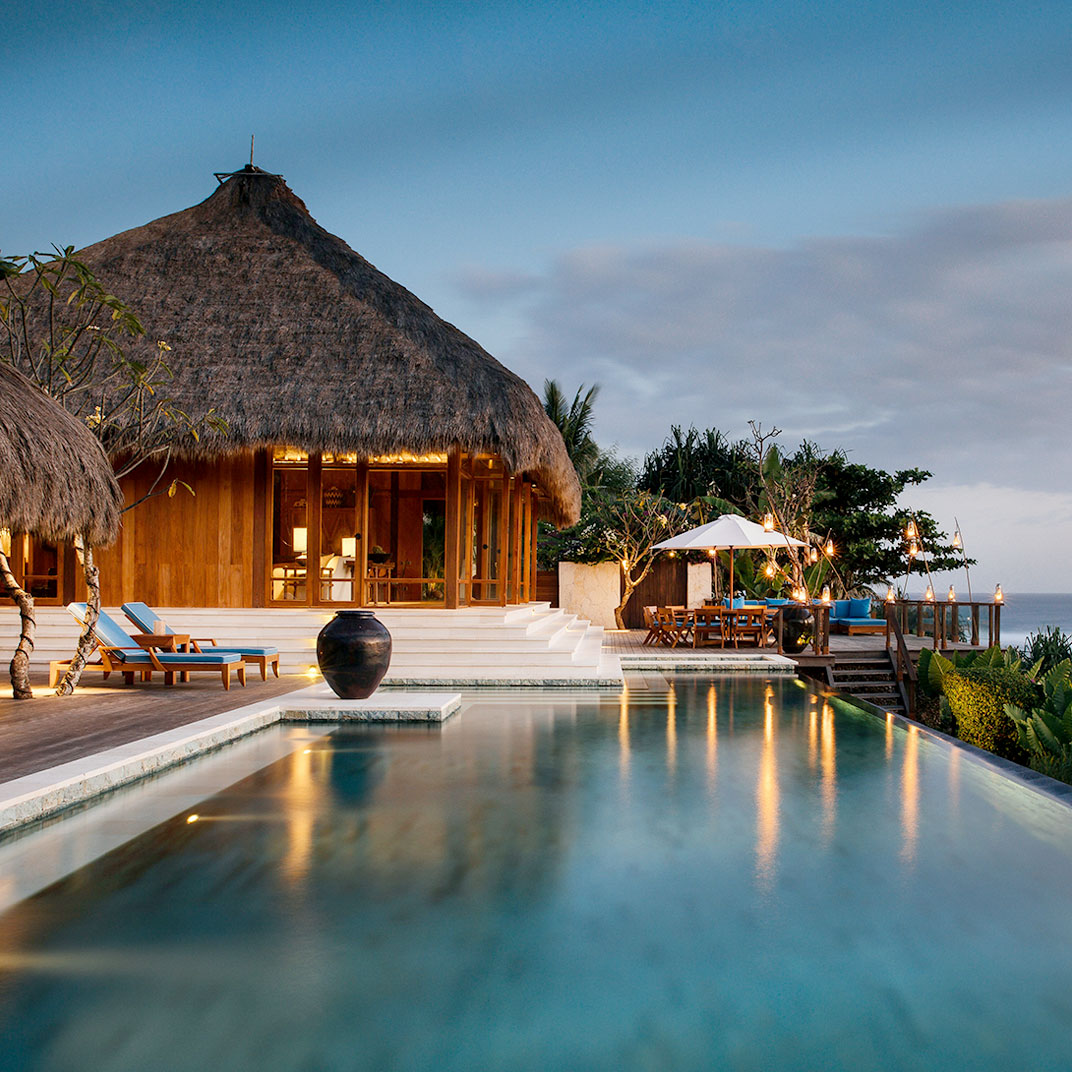
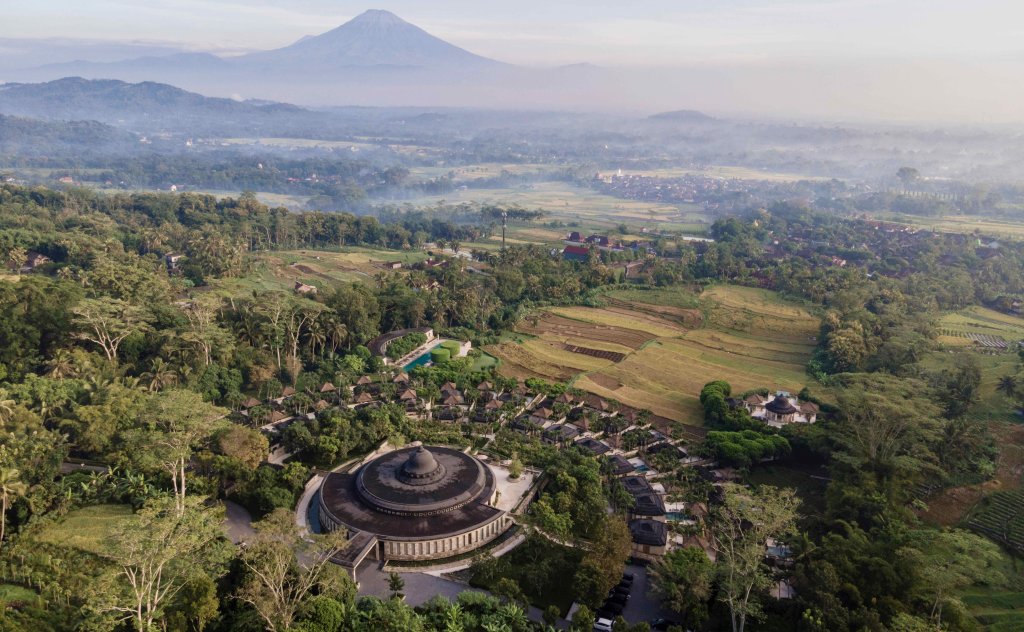
At the highest level of the Indonesian selection are Nihi Sumba, Amanjiwo and Mandapa, a Ritz-Carlton Reserve, all awarded Three MICHELIN Keys, the Guide’s highest hotel distinction.
The result is particularly interesting when viewed against the 2025 selection. Last year, these three properties occupied the top three positions in Indonesia’s Top 33 hotel ranking. With the MICHELIN Guide moving to the Key classification for 2026, those same three properties remain at the highest level of recognition.
The MICHELIN Guide describes a Three-Key hotel as offering “an extraordinary stay”, while Two Keys represent an exceptional stay and One Key a very special stay. The distinctions are determined through anonymous and independent visits by MICHELIN Guide inspectors.
The three properties offer distinctly different interpretations of Indonesian luxury. Nihi Sumba is an immersive island retreat, Amanjiwo places guests within the cultural landscape of Central Java, and Mandapa, a Ritz-Carlton Reserve brings an intimate, nature-led experience to Ubud. Their shared Three-Key distinction underscores the breadth of experiences that can define exceptional hospitality.
An expanded Two-Key landscape
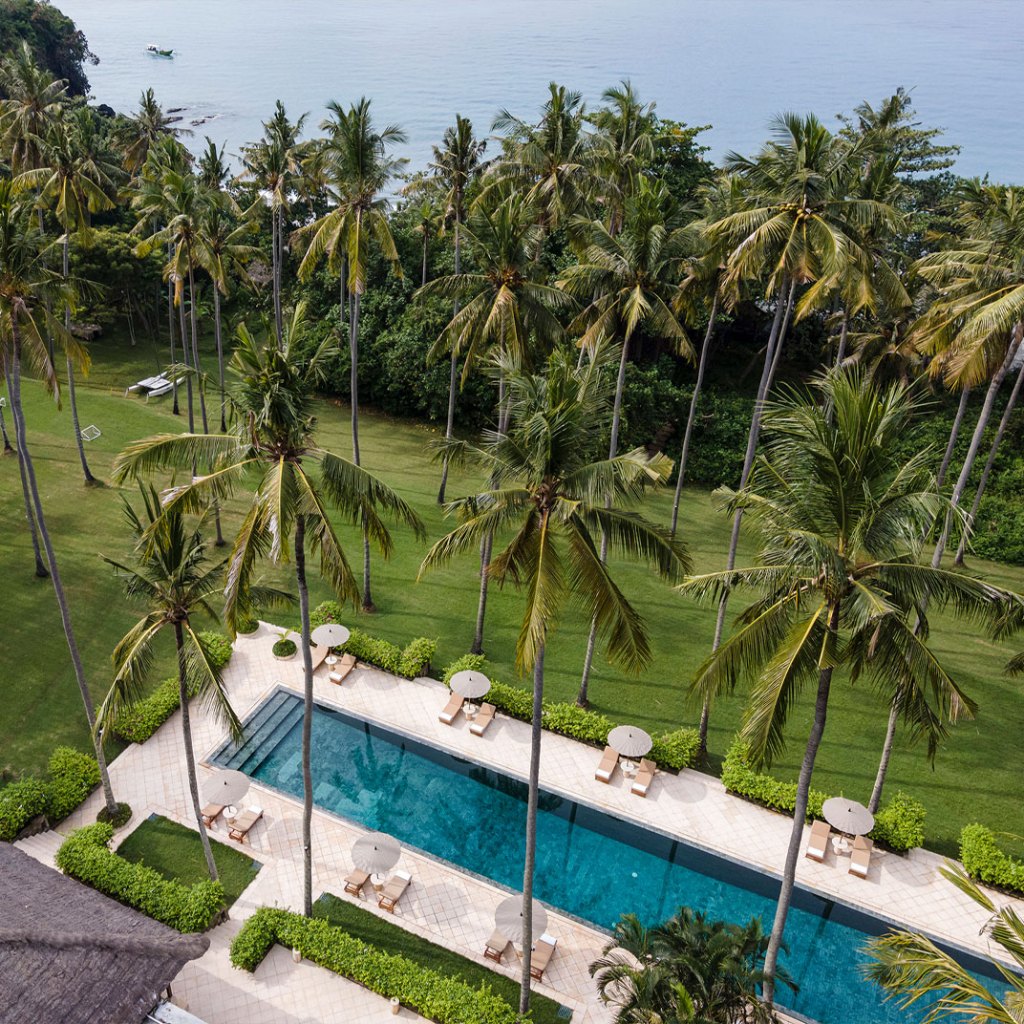

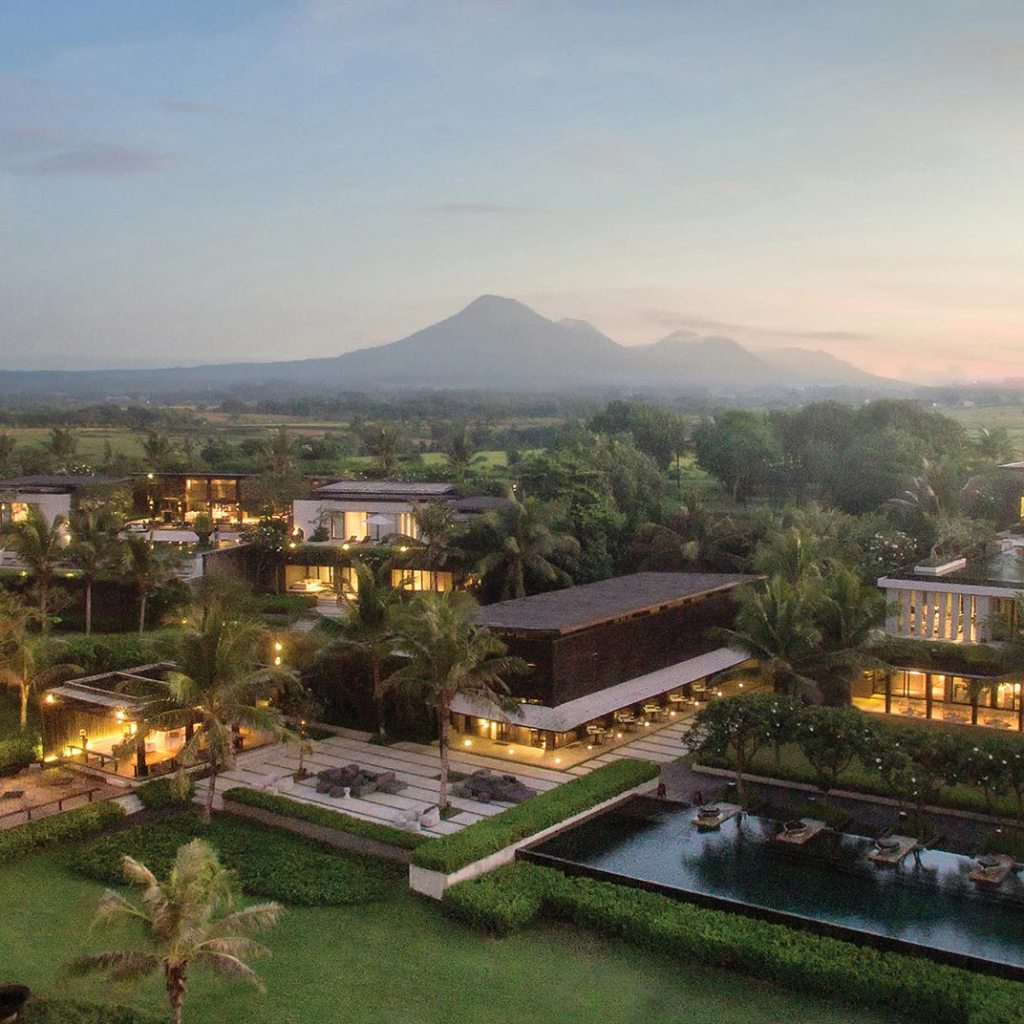

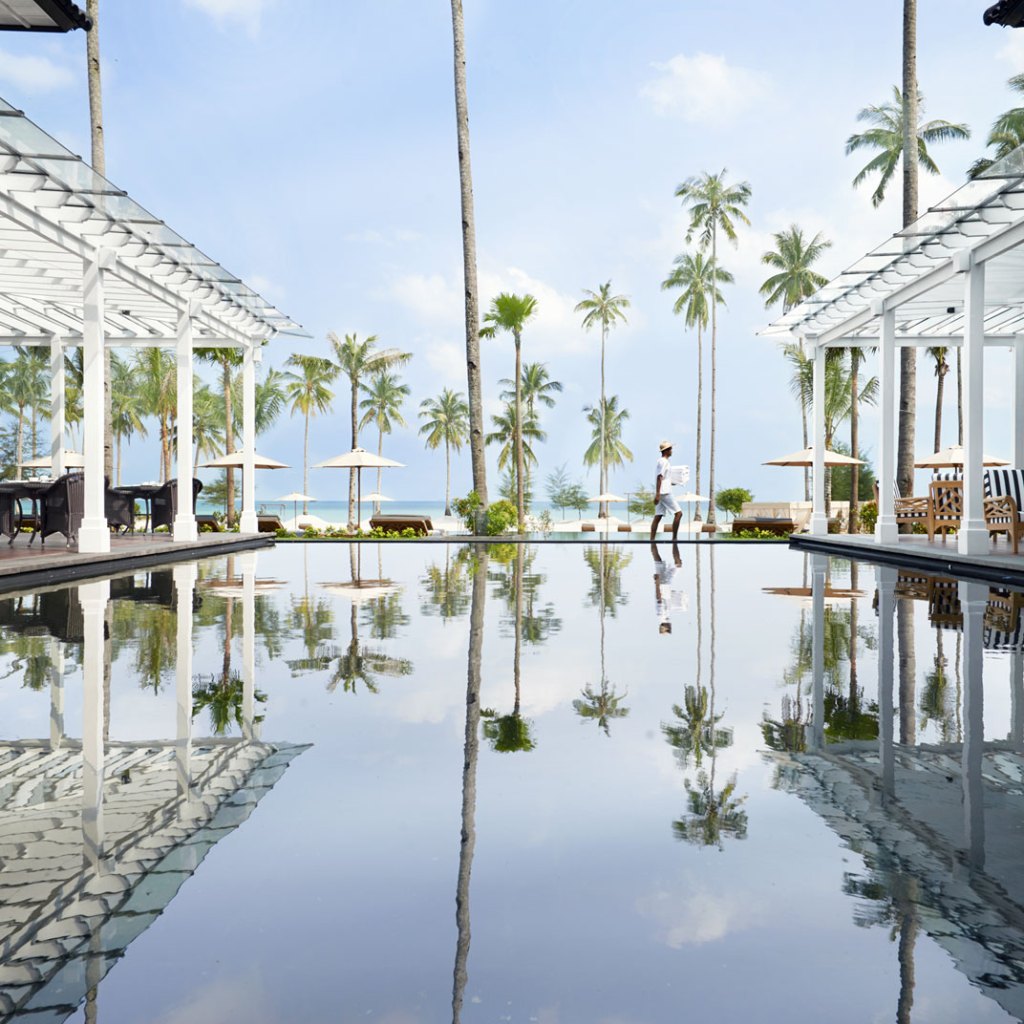
The Two-Key selection brings together 11 Indonesian properties, including Amankila, The Sanchaya, The Apurva Kempinski Bali, Soori Bali, Capella Ubud, Four Seasons Resort Bali at Jimbaran Bay, Four Seasons Hotel Jakarta, Bvlgari Resort Bali, Buahan, a Banyan Tree Escape, The Langham, Jakarta and Raffles Bali.
There is a notable continuity with the 2025 list. Amankila, The Sanchaya, Buahan, Four Seasons Hotel Jakarta, The Langham, Jakarta and Raffles Bali were already among the upper tier of last year’s Top 33. Meanwhile, Capella Ubud, Soori Bali, Bvlgari Resort Bali and Four Seasons Resort Bali at Jimbaran Bay, which appeared further down the 2025 ranking, now sit within the Two-Key category.


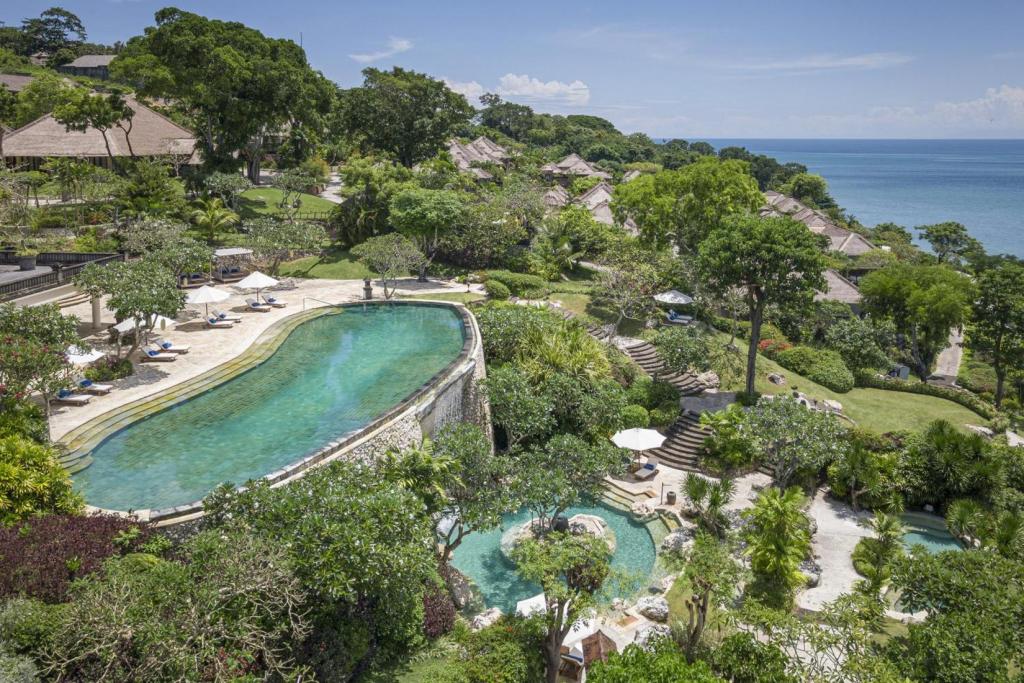


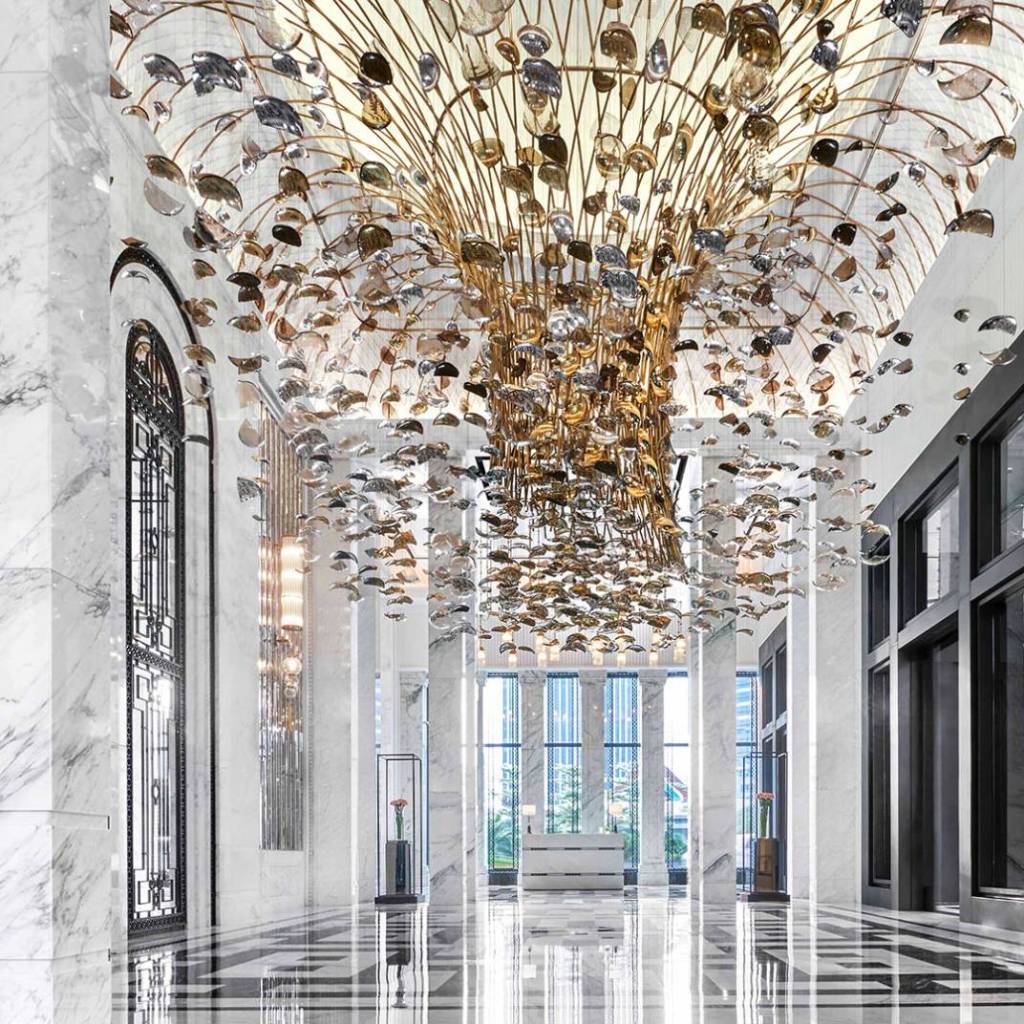
The Apurva Kempinski Bali is the notable new arrival within this tier, entering the 2026 selection with Two Keys.
Rather than simply translating last year’s numerical ranking into a new system, the 2026 selection therefore provides a broader view of the hotels recognised for delivering an exceptional stay.
One Key and the broadening of Indonesia’s hotel map
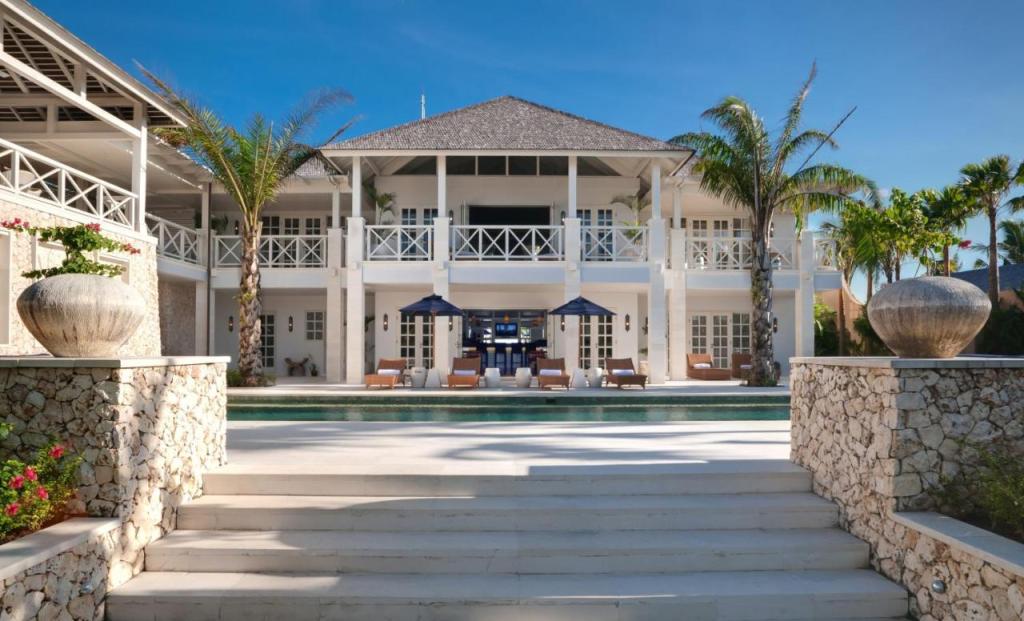
The One-Key selection further illustrates the diversity of Indonesia’s hospitality scene. It includes established Bali names such as COMO Shambhala Estate, Chapung Sebali, Amandari, Viceroy Bali, Bisma Eight Ubud, Blue Karma Village, Nirjhara, The Purist Villas & Spa, REVĪVŌ Wellness Resort Nusa Dua Bali, Jimbaran Puri, A Belmond Hotel, Bali, Samsara Ubud, The Legian Seminyak and Four Seasons Resort Bali at Sayan.
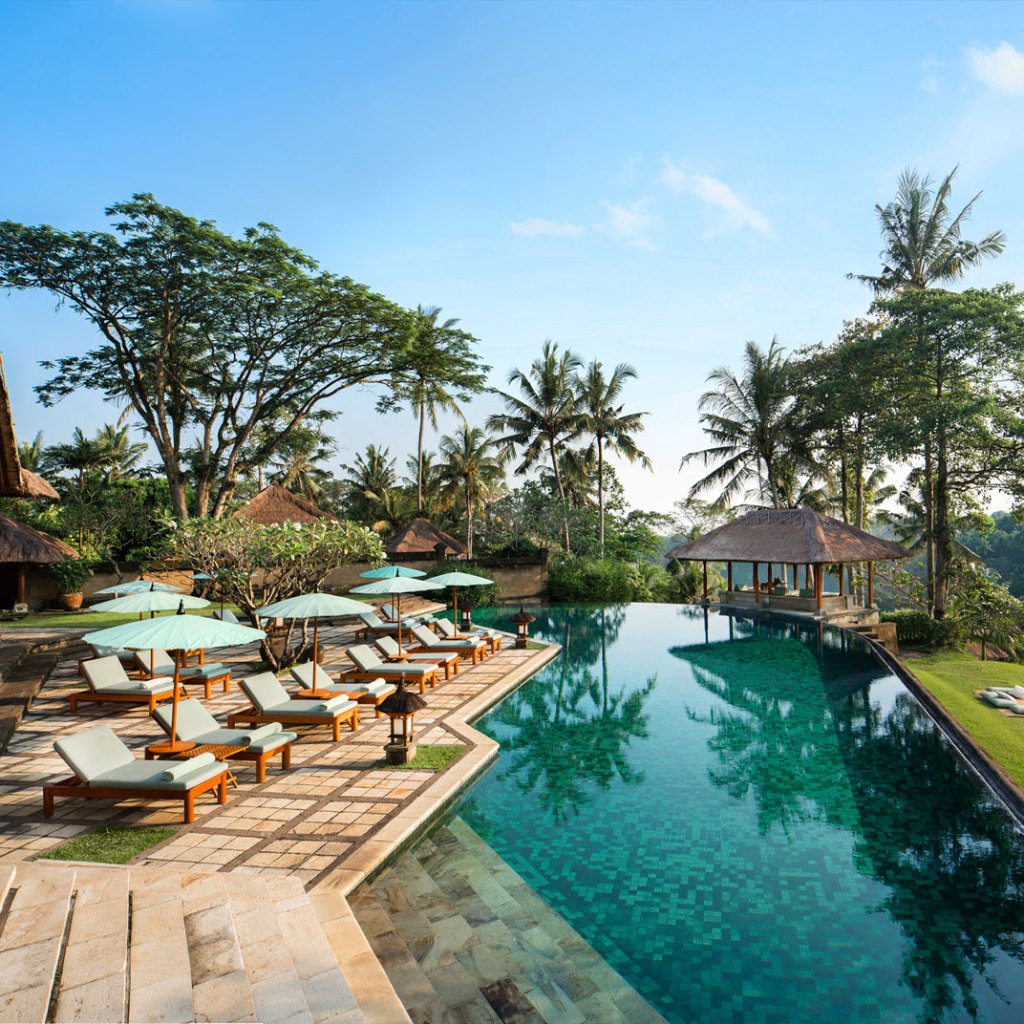
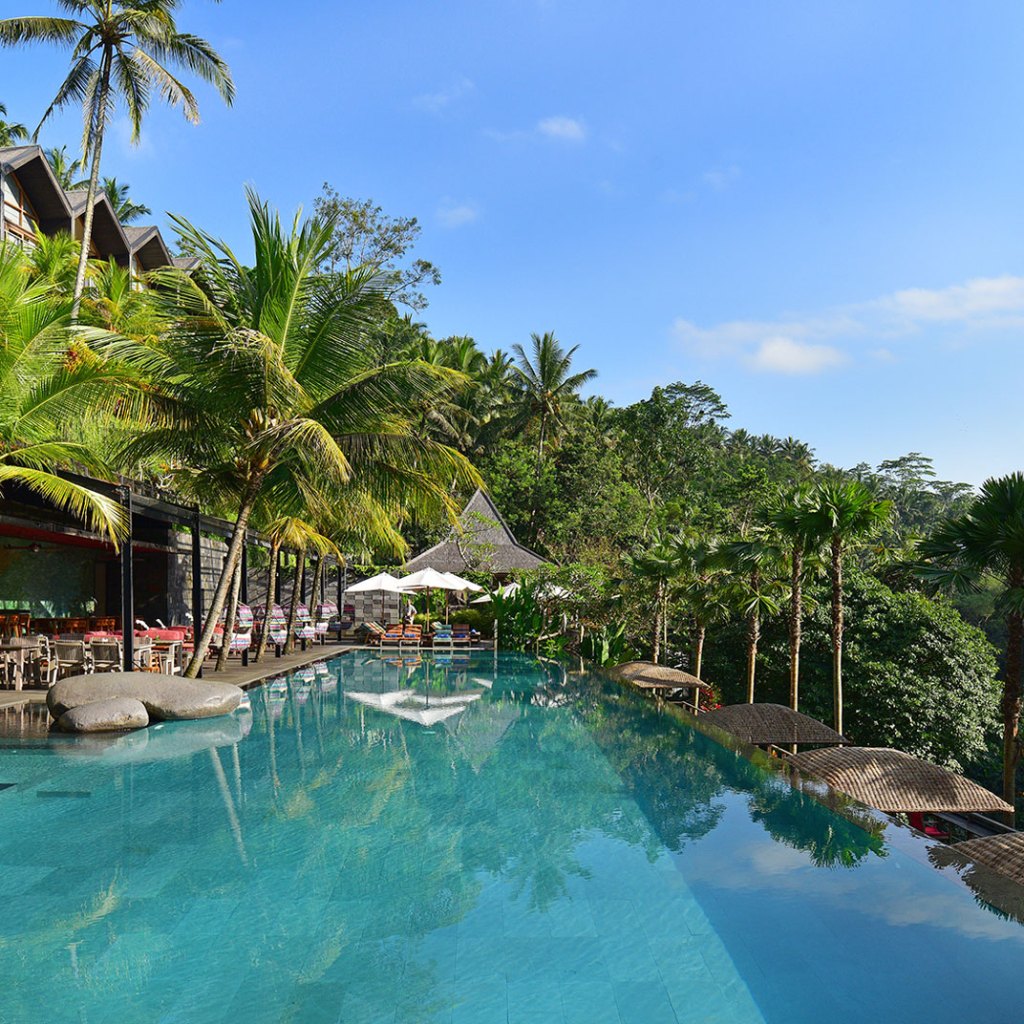

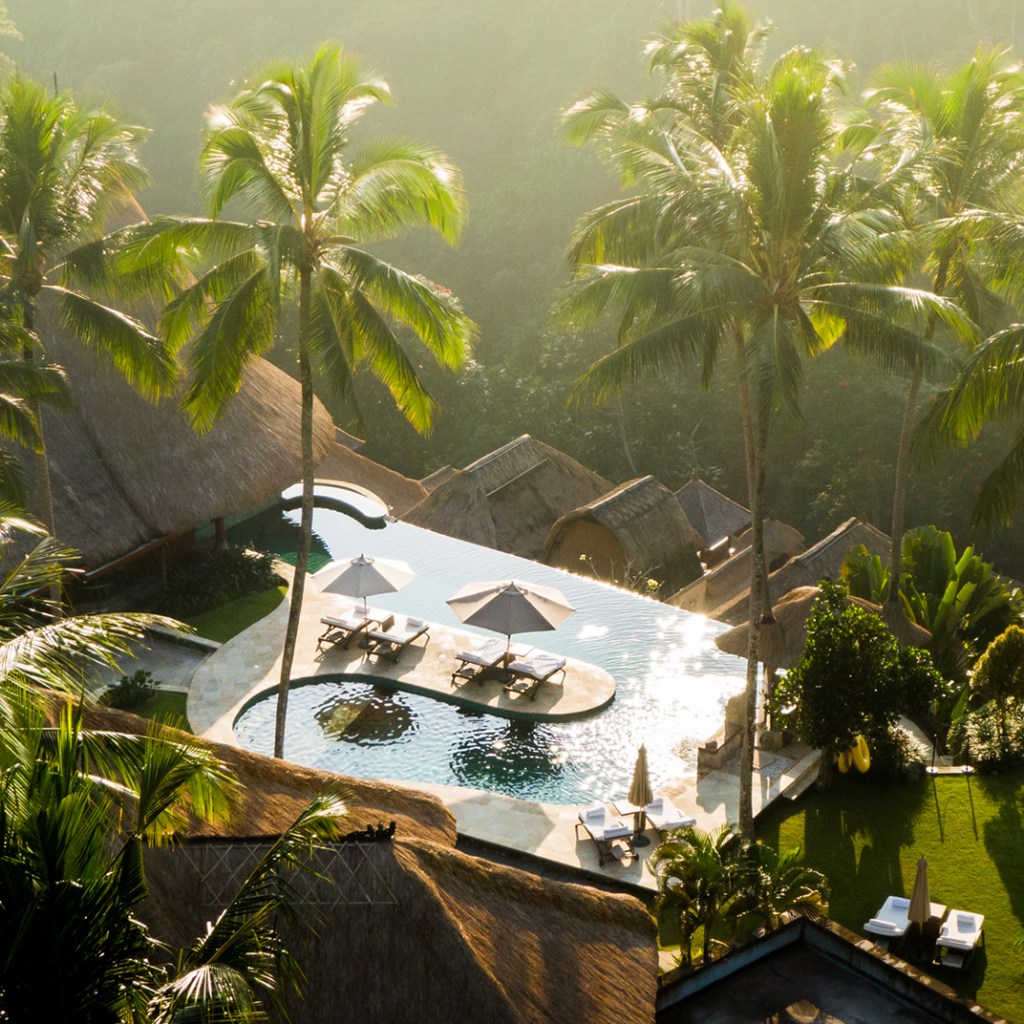
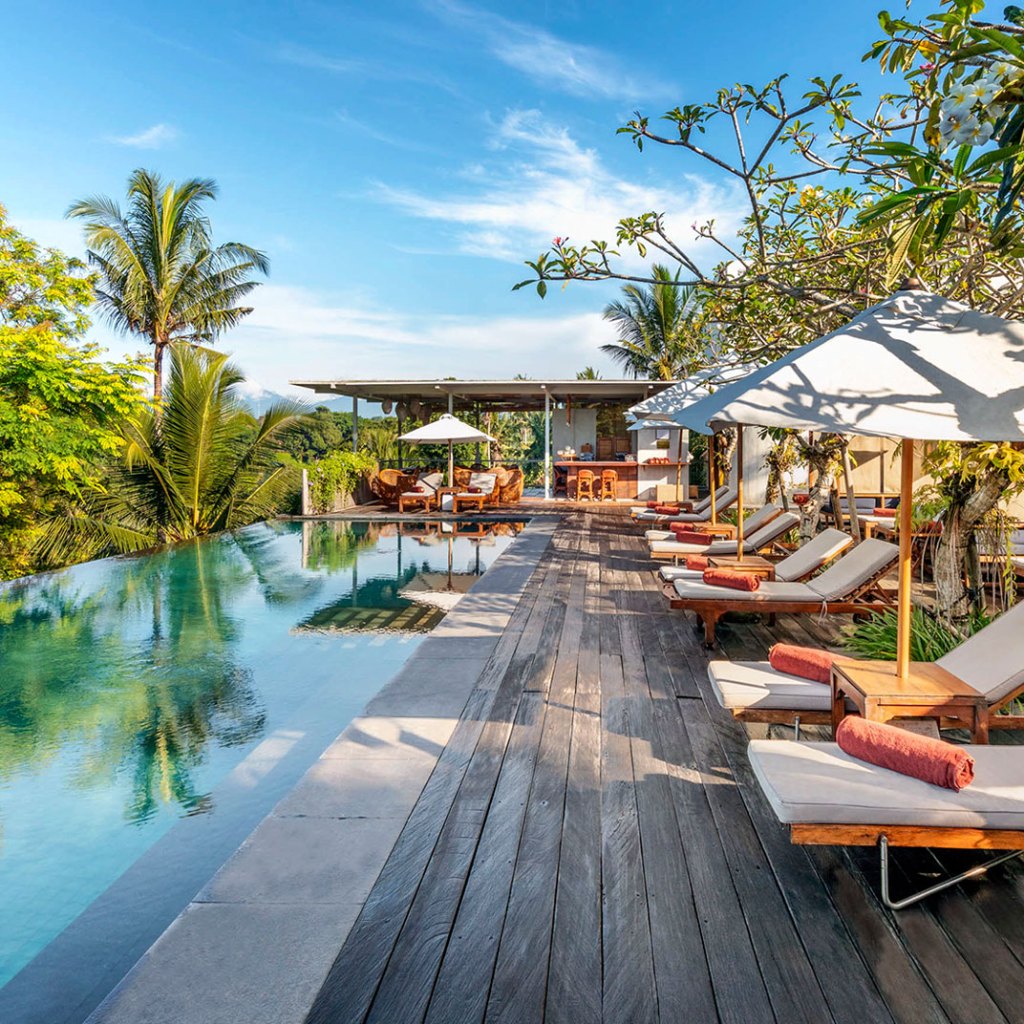
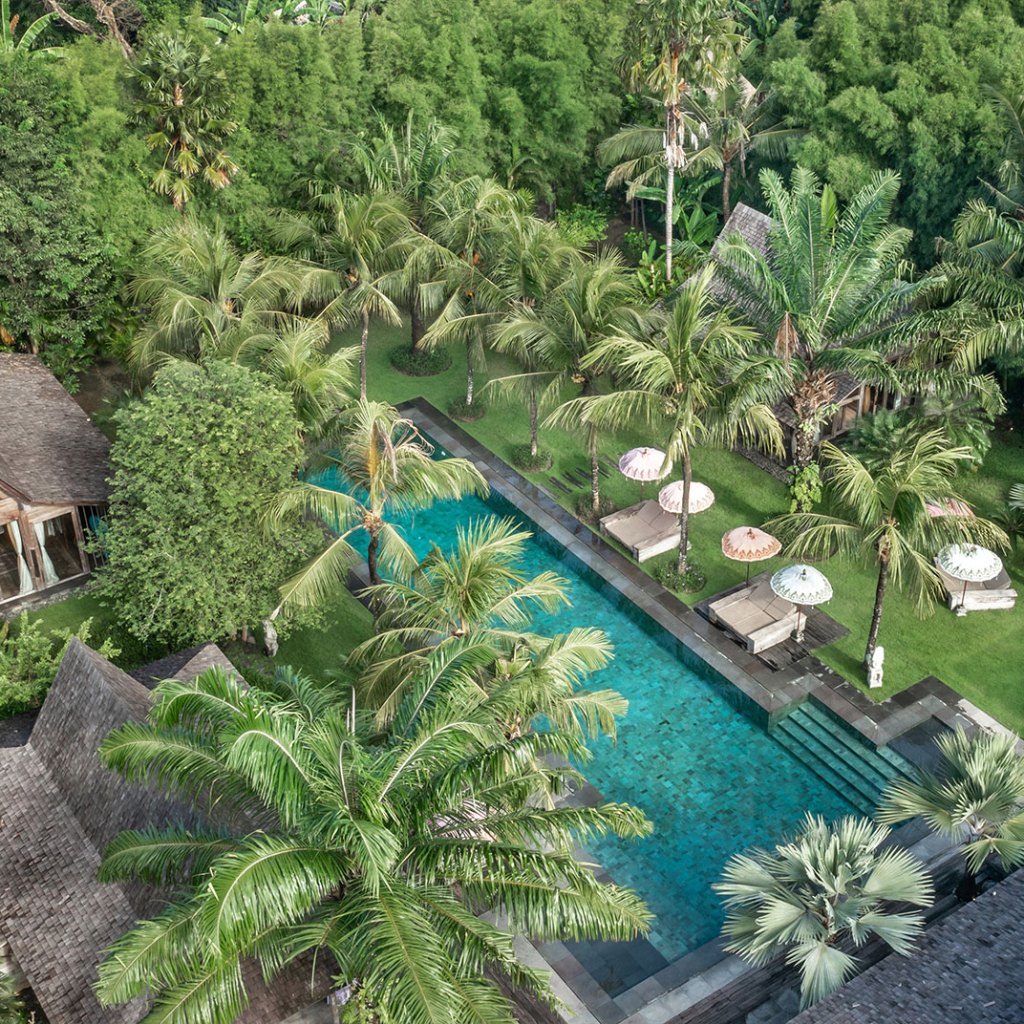
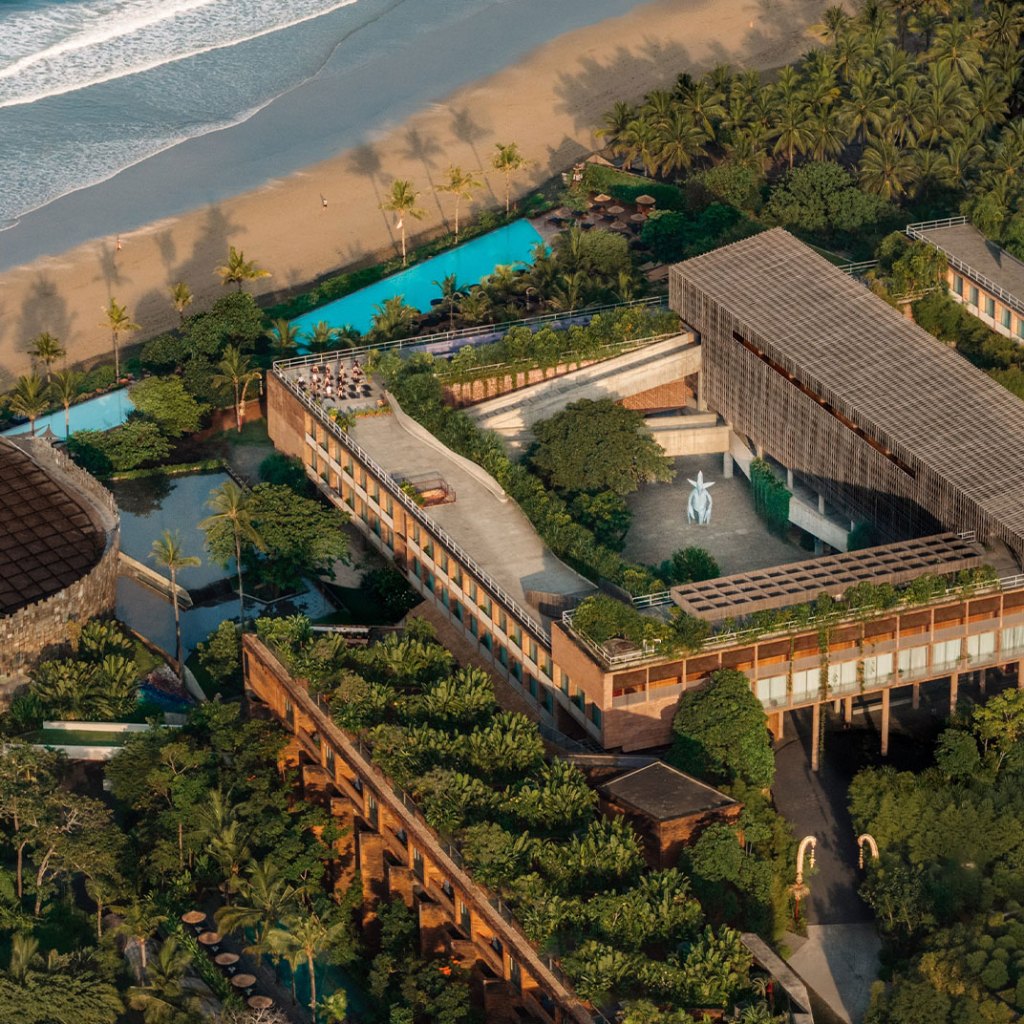
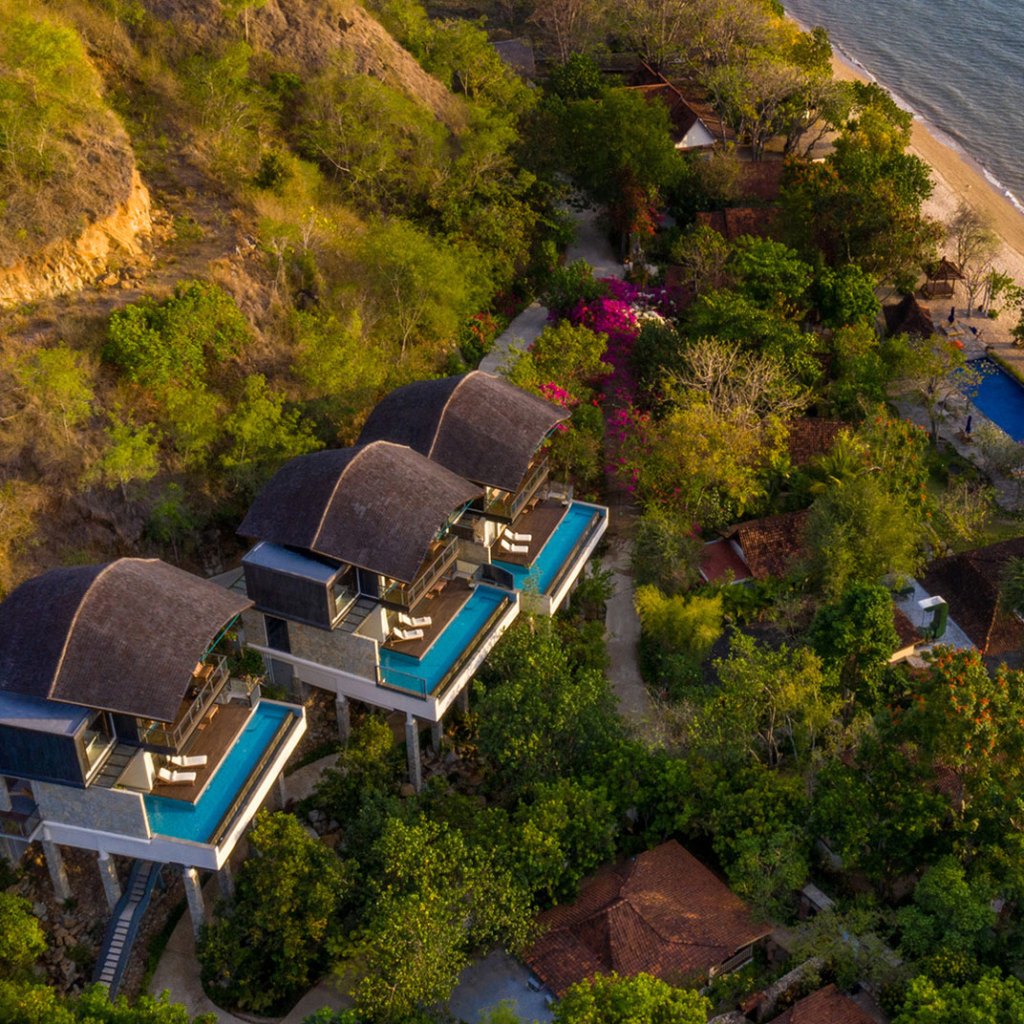

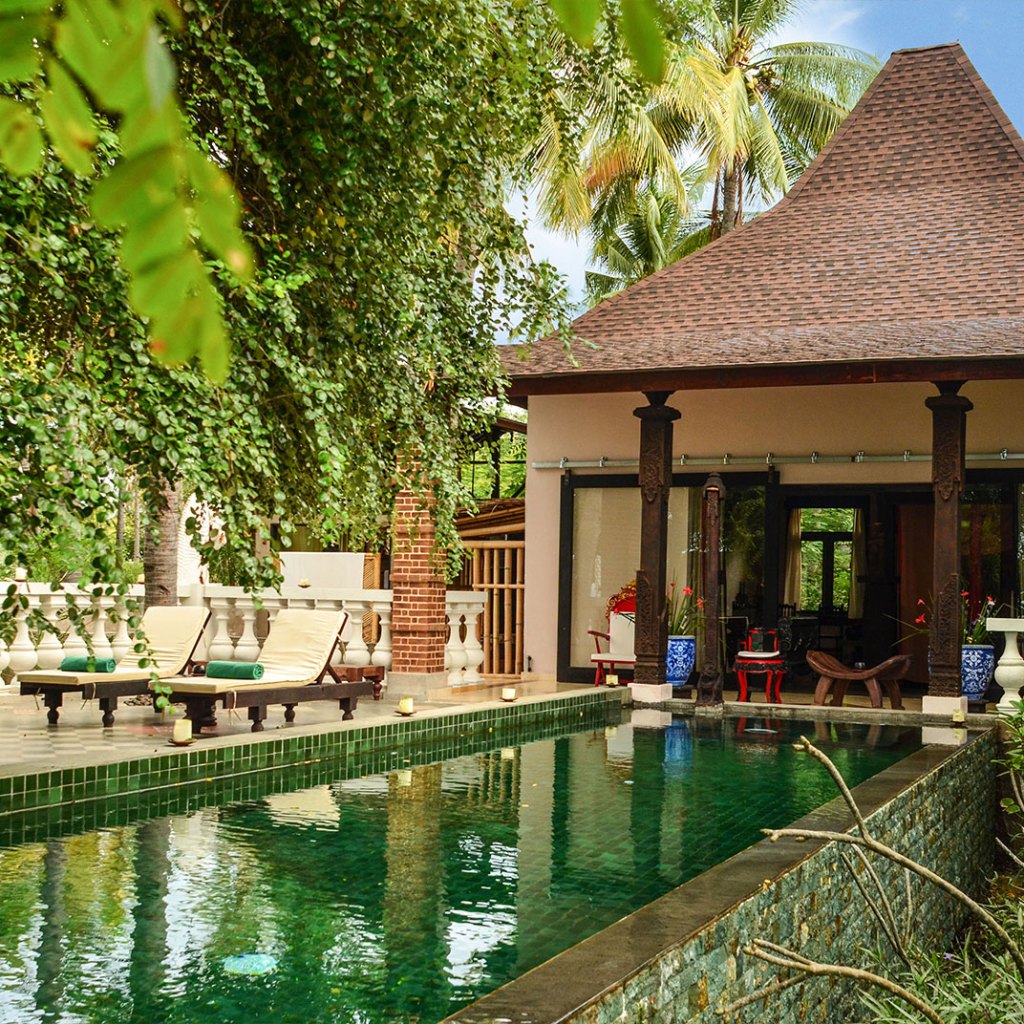
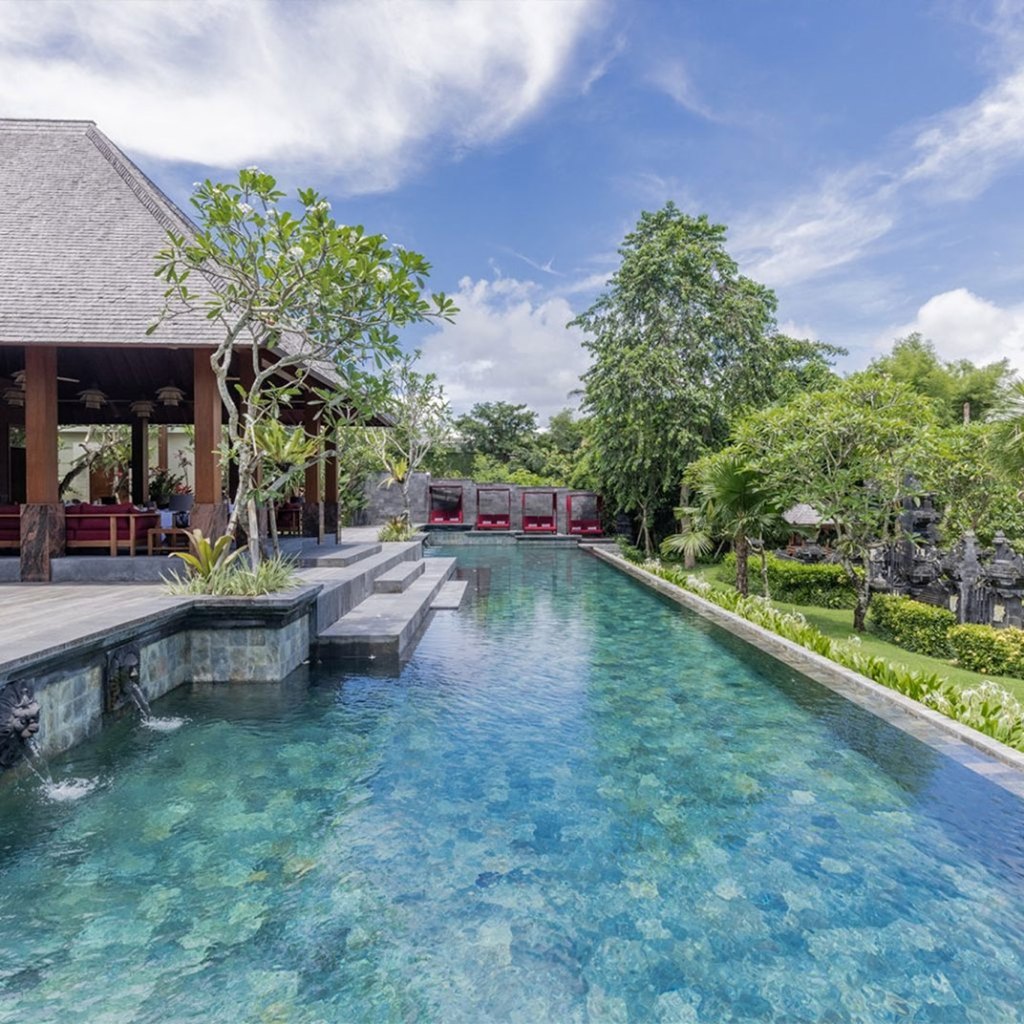
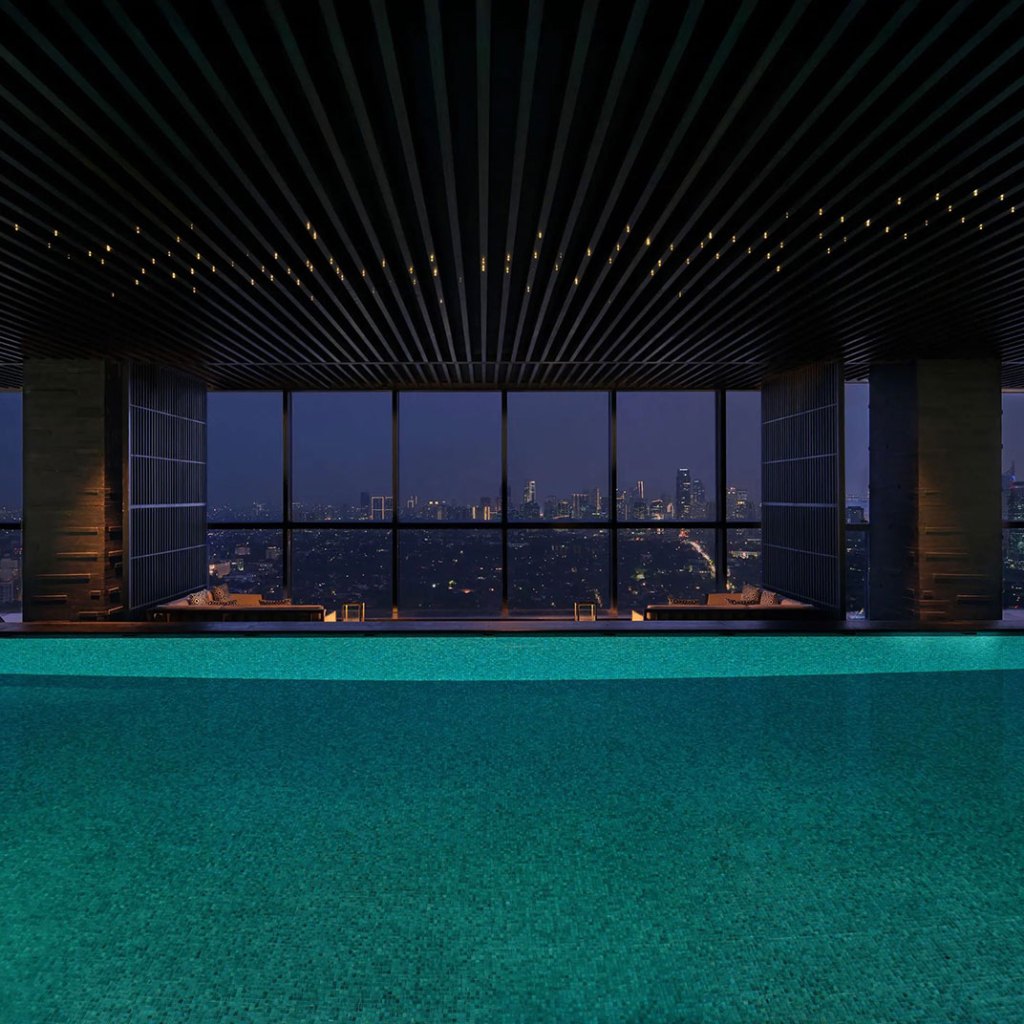
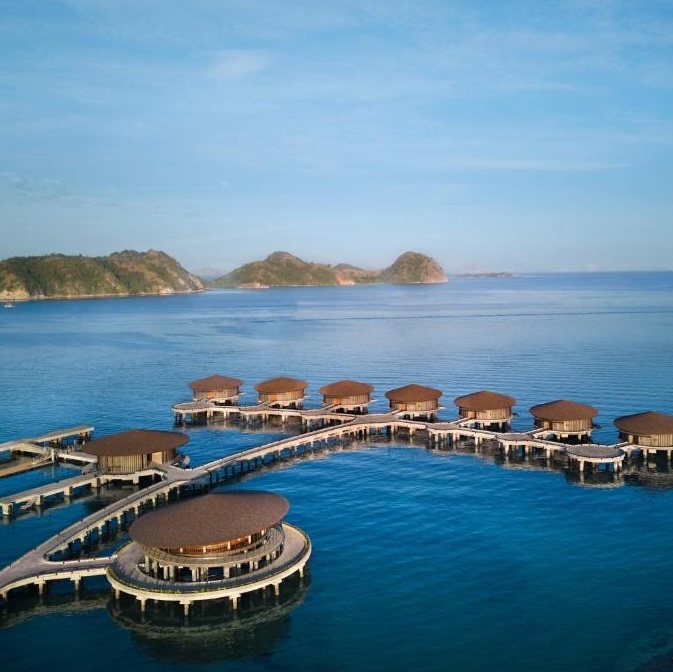
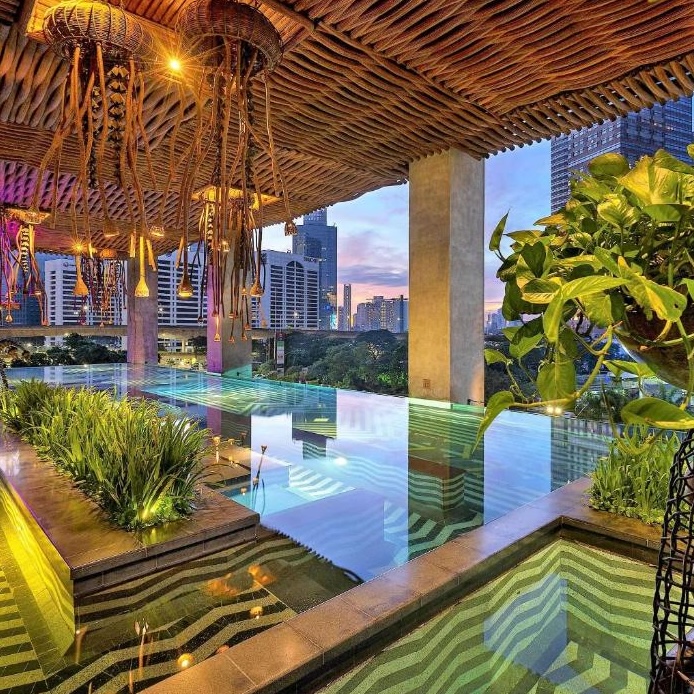
The recognition extends beyond Bali, with Plataran Komodo Resort & Spa and Cap Karoso representing Indonesia’s eastern islands, while Hotel Tugu Lombok brings Lombok into the selection. Garrya Bianti Yogyakarta and Hotel Le Temple Borobudur highlight Central Java, while Jakarta’s presence includes Raffles Jakarta, The Dharmawangsa Jakarta, Park Hyatt Jakarta and The Orient Jakarta, a Royal Hideaway Hotel.
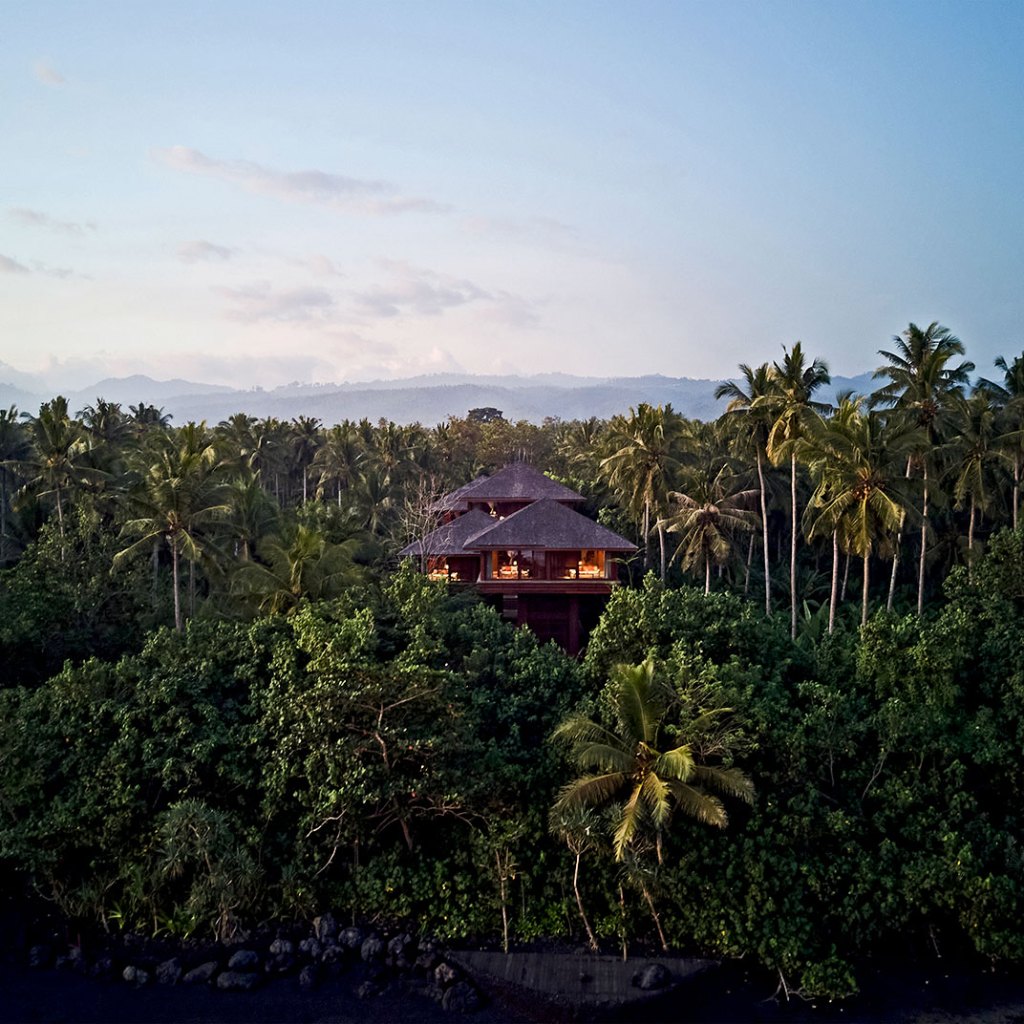

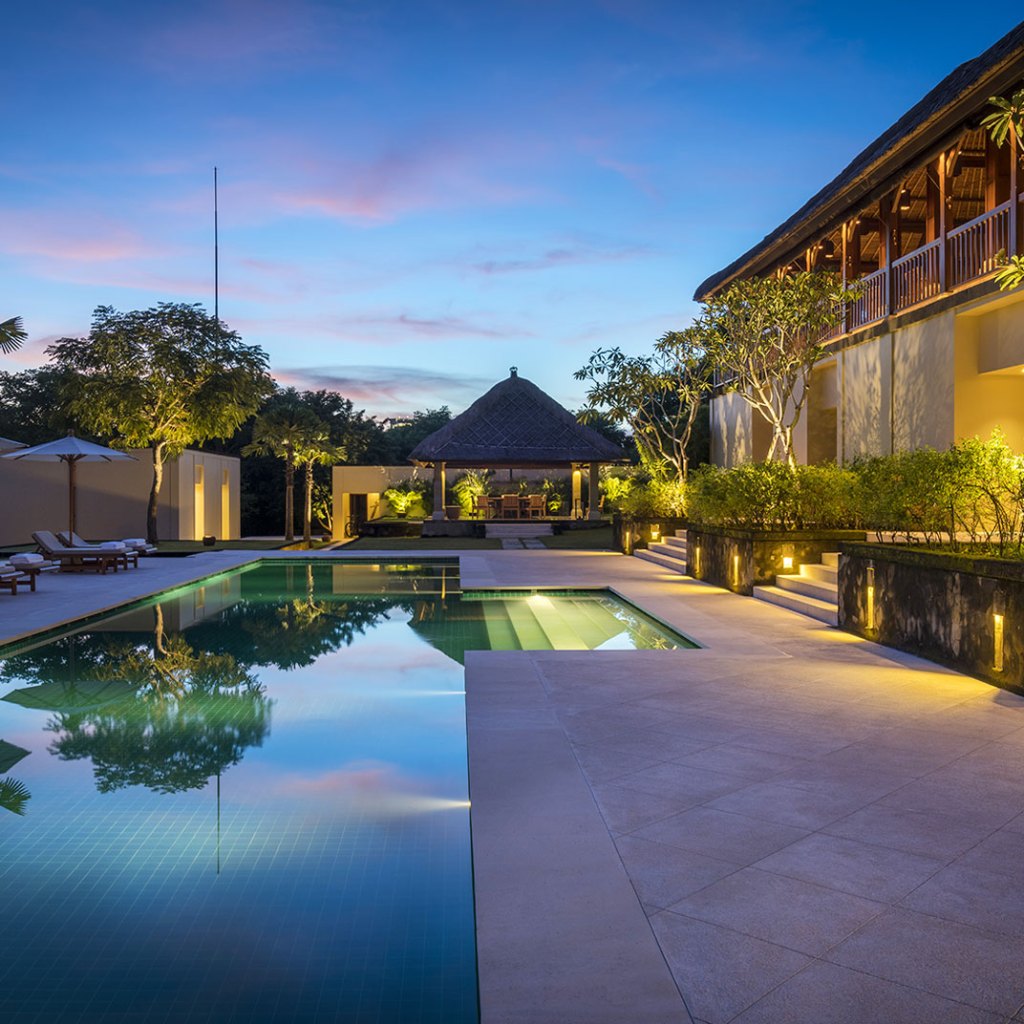

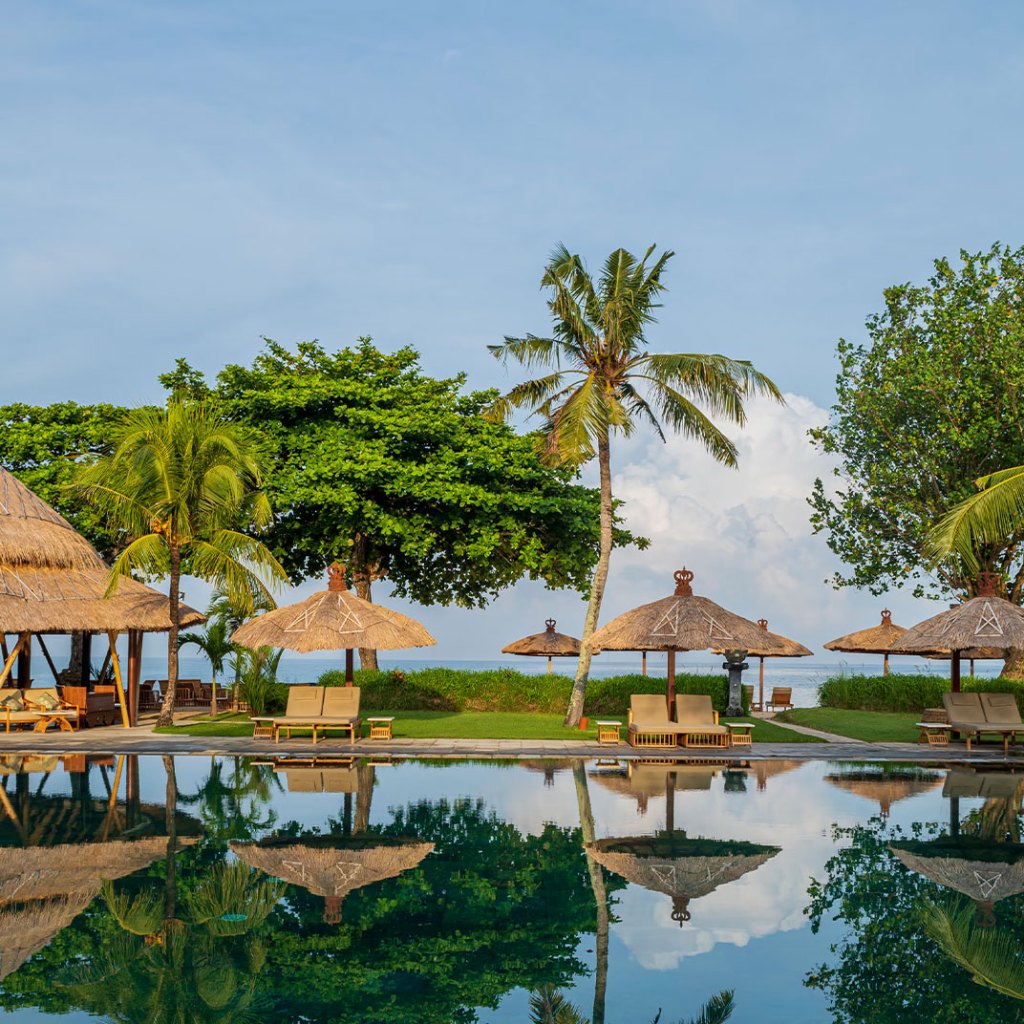


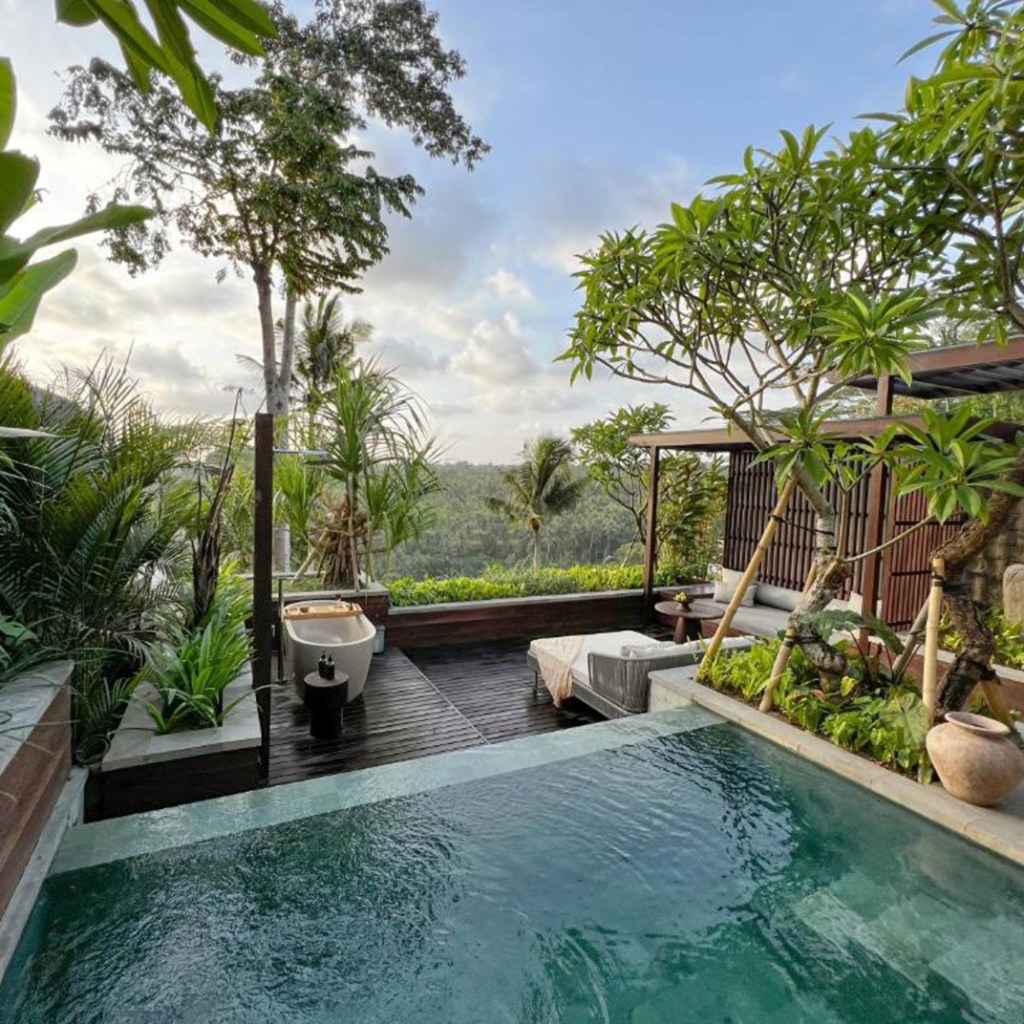
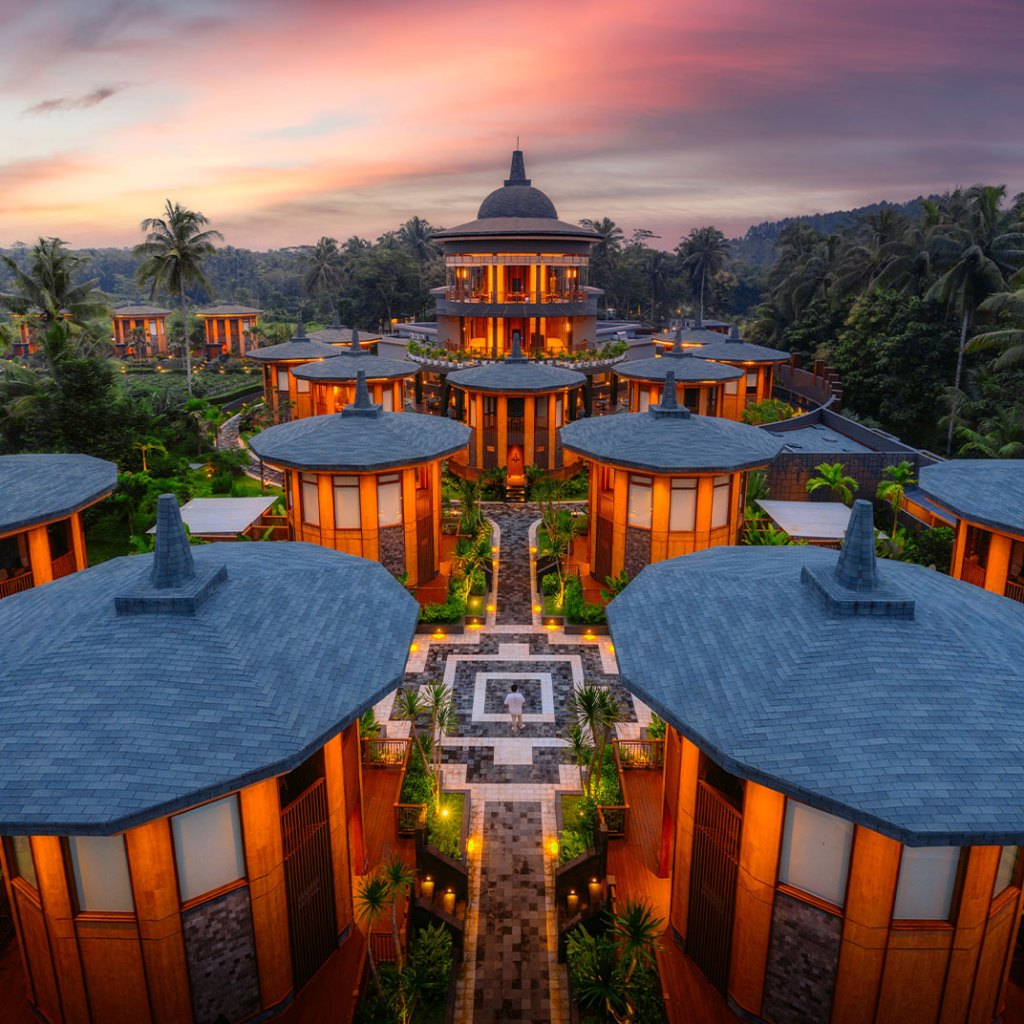

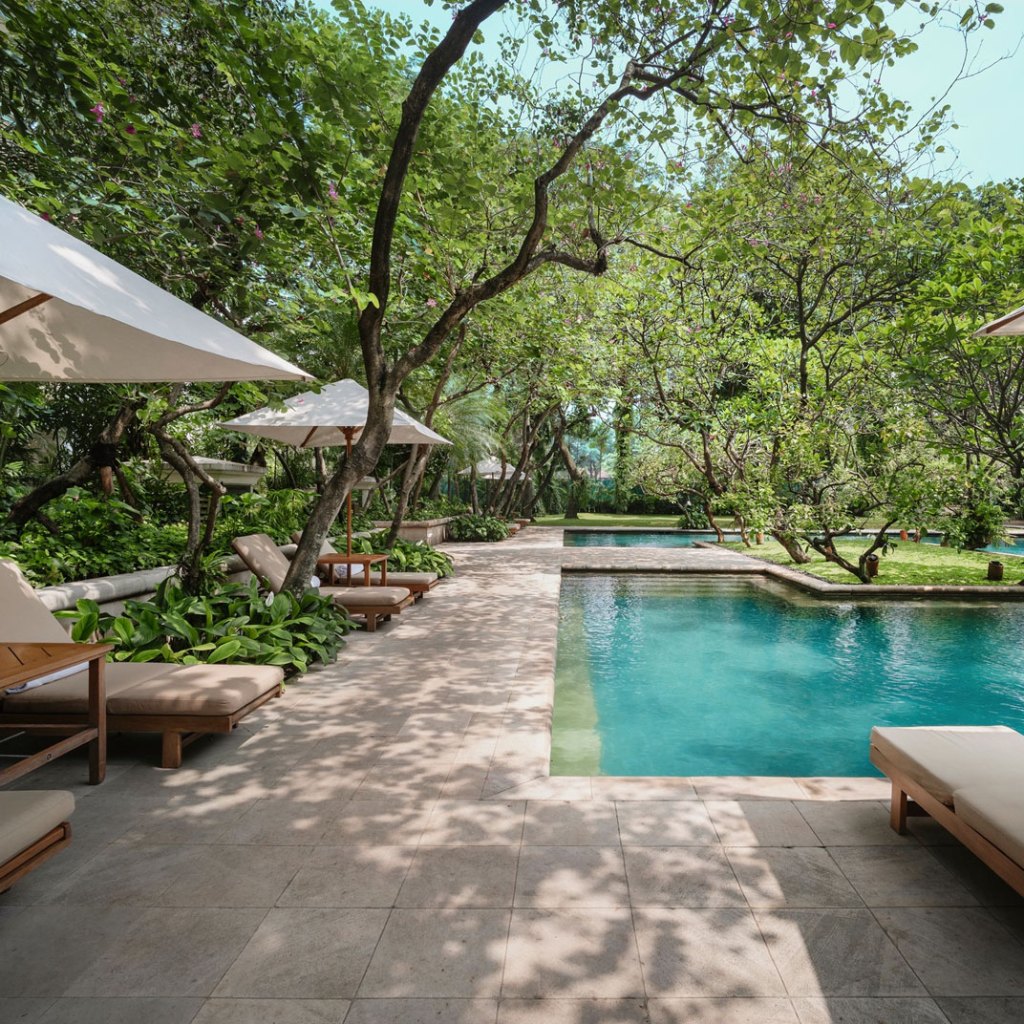
Newer additions further expand the geographical and stylistic range, including Desa Potato Head Bali, La Reserve 1785 Canggu – Adults Only, The Ridge Bali, Innit Lombok, The Ungasan Clifftop Resort, Jumeirah Bali, Desa Hay Canggu, TA’AKTANA, a Luxury Collection Resort & Spa, Labuan Bajo and The St. Regis Bali Resort.
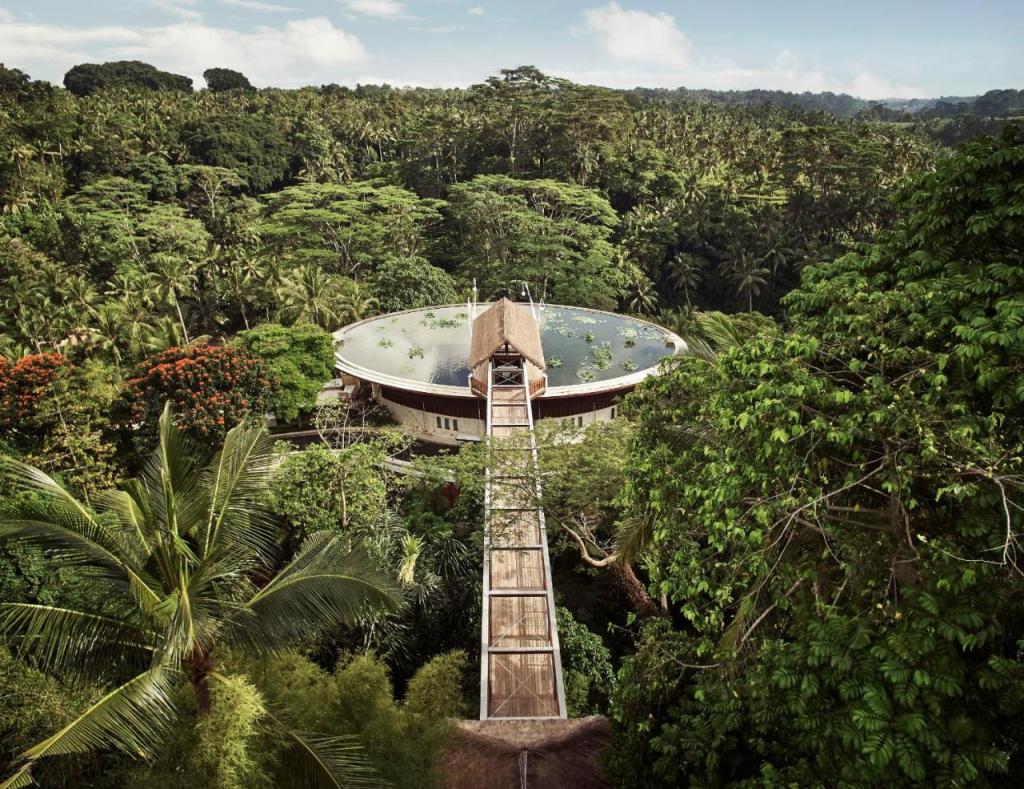

A growing selection
The most significant comparison with 2025 is the sheer expansion of the Indonesian selection. The 2025 list contained 33 hotels, while the 2026 MICHELIN Key selection has grown to 47.
Importantly, all 33 properties recognised in the 2025 list remain represented in the 2026 selection. Rather than replacing last year’s names, the new selection adds 14 properties to the landscape, suggesting an expansion of the Guide’s recognition rather than a wholesale reshuffling.
This broader reach mirrors the global growth of the MICHELIN Key. The Guide’s hotel selection now encompasses more than 9,400 hotels, with more than 2,200 properties added to the wider selection since the previous MICHELIN Key announcement in October 2025. Indonesia is specifically identified among the Asian destinations experiencing significant growth this year.
Across the world, the 2026 selection now comprises 155 Three-Key hotels, 657 Two-Key hotels and 2,020 One-Key hotels. In Asia and the Middle East, there are 600 MICHELIN Key hotels, including 34 Three-Key properties, with Indonesia among the destinations receiving an updated selection.
Luxury, reconsidered
Beyond the individual properties, the 2026 selection points towards a changing understanding of luxury hospitality. MICHELIN Guide inspectors identify several trends shaping the industry, from slower and more immersive travel to increasingly fluid combinations of business and leisure. There is also a growing appetite for privacy, authenticity and a stronger connection to place, while wellness is moving beyond the traditional spa into broader fitness and wellbeing experiences.
These observations feel particularly relevant to Indonesia, where the country’s recognised hotels span secluded island retreats, jungle sanctuaries, cultural properties, wellness resorts, contemporary lifestyle destinations and sophisticated urban hotels.

In this sense, the 2026 MICHELIN Key selection offers more than a collection of hotel accolades. It provides a snapshot of how Indonesian hospitality is evolving, with luxury increasingly defined by a hotel’s ability to create a sense of place, offer meaningful experiences and give travellers a reason to stay longer and explore deeper.
From the remote landscapes of Sumba to the cultural heart of Central Java, the wellness enclaves of Bali, the urban energy of Jakarta and the emerging destinations of Lombok and Labuan Bajo, the 47 recognised properties reveal an Indonesian hospitality scene that continues to expand its horizons.
And while the MICHELIN Key may be a relatively young distinction – introduced in 2024 before expanding into a global hotel recognition – its 2026 selection signals how firmly hotels now sit alongside restaurants within the MICHELIN Guide’s wider understanding of exceptional travel experiences.
For the complete list of MICHELIN Key hotels in Indonesia, click here.
