


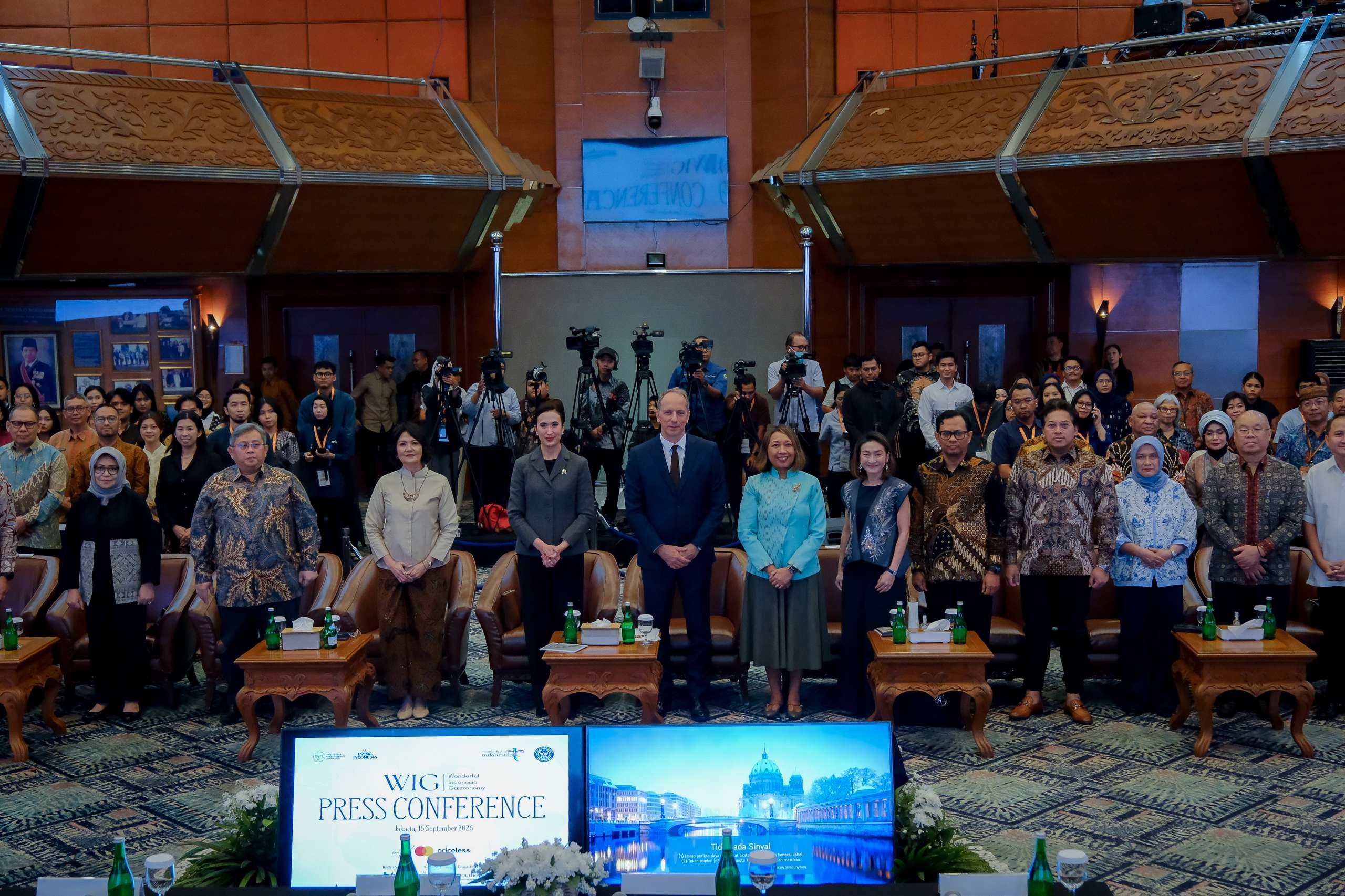

Indonesia’s culinary story has never been confined to the plate. Across more than 17,000 islands, food is intertwined with landscapes, agriculture, local customs and generations of knowledge, connecting farmers, fishermen, producers, cooks, chefs and communities through traditions passed down over centuries. This rich gastronomic ecosystem takes centre stage once again with Wonderful Indonesia Gastronomy (WIG) 2026, returning for its second edition under the theme From Local Roots to Global Recognition.
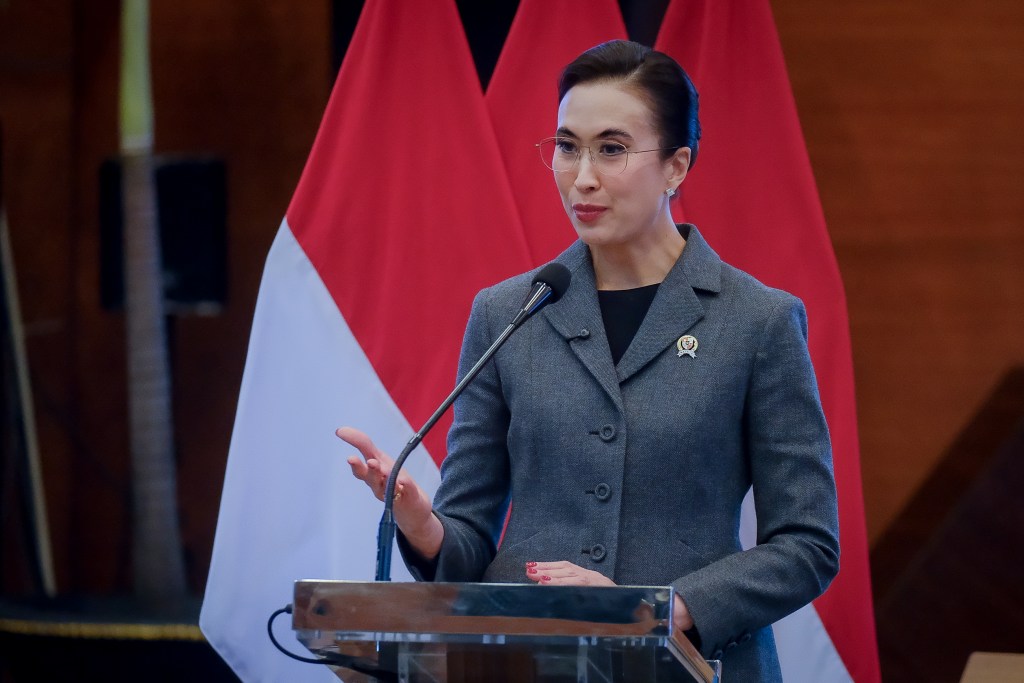
Presented by the Ministry of Tourism in collaboration with the Indonesia Gastronomy Network (IGN), WIG 2026 will unfold from 26 September to 4 October 2026, with Solo and Yogyakarta serving as its principal destinations. The programme will subsequently continue through December, with supporting activities spanning Jakarta, Bali, Semarang, Surabaya and other cities. Rather than focusing solely on fine dining, this year’s edition takes a broader view of Indonesian gastronomy, exploring the origins of ingredients and dishes alongside local wisdom, culinary traditions and the philosophies that give food its sense of place.
Beyond the plate
The expanded programme reflects a growing understanding of gastronomy as a way of experiencing a destination in its entirety. For WIG 2026, that means looking beyond restaurants to the markets, artisans, producers and cultural landscapes that shape Indonesia’s food heritage.
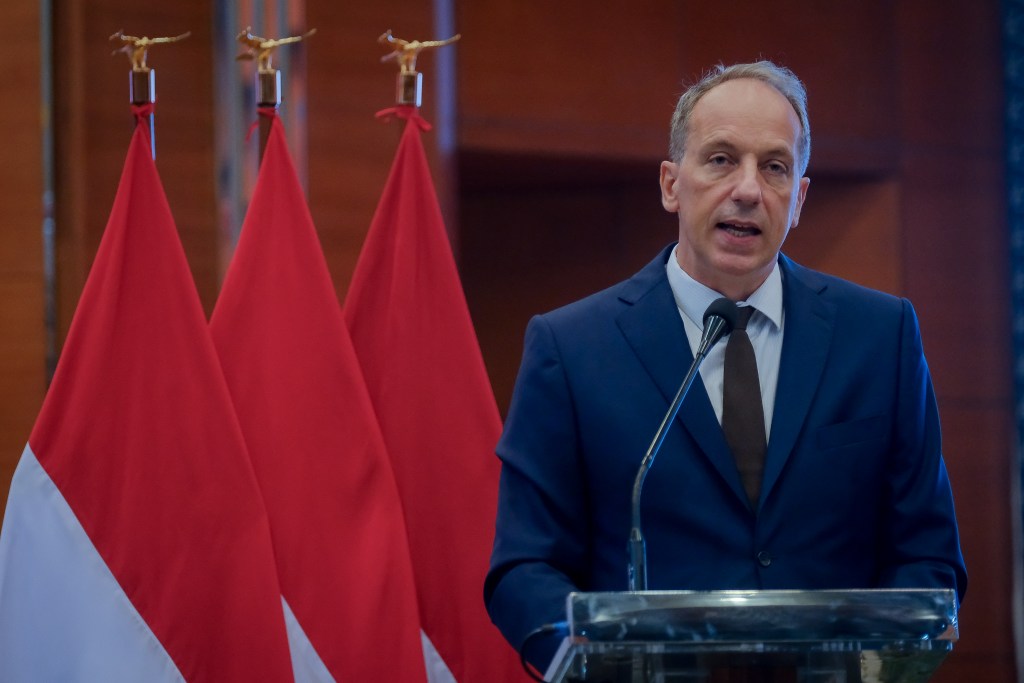
The main programme opens at Pura Mangkunegaran in Solo on 26 September, while an international delegation of 18 media representatives and tastemakers will journey through Solo and Yogyakarta. Their itinerary brings together restaurants and culinary spaces with some of Central Java’s cultural landmarks, including Borobudur and Prambanan temples. Batik heritage in Kampung Laweyan, a morning visit to Pasar Gede, a sensory experience at Rumah Atsiri and a royal-inspired afternoon tea with GKR Bendara further broaden the journey.
The programme will also introduce two new publications: the Indonesia Gourmet Guide, featuring a curated selection of restaurants in participating cities, and Indonesia Local Eateries, which turns its attention to traditional eateries, markets and culinary centres that represent the everyday dining culture of Indonesian communities. Together, they offer two perspectives on the country’s gastronomic landscape, from contemporary dining rooms to the places where culinary traditions remain part of daily life.
A meeting of culinary minds
Conversation is another ingredient in WIG 2026. WIG Talks will bring together 22 speakers across five seminar sessions and a book review, examining the future of Indonesian gastronomy and the opportunities it presents across the food and beverage ecosystem. An Artisan Market at Grand Hotel De Djokja in Yogyakarta, meanwhile, will gather 21 tenants from the Joglosemar region and Jakarta from 2 to 4 October, showcasing everything from artisanal cheese and pure honey to tea and other locally produced specialities.
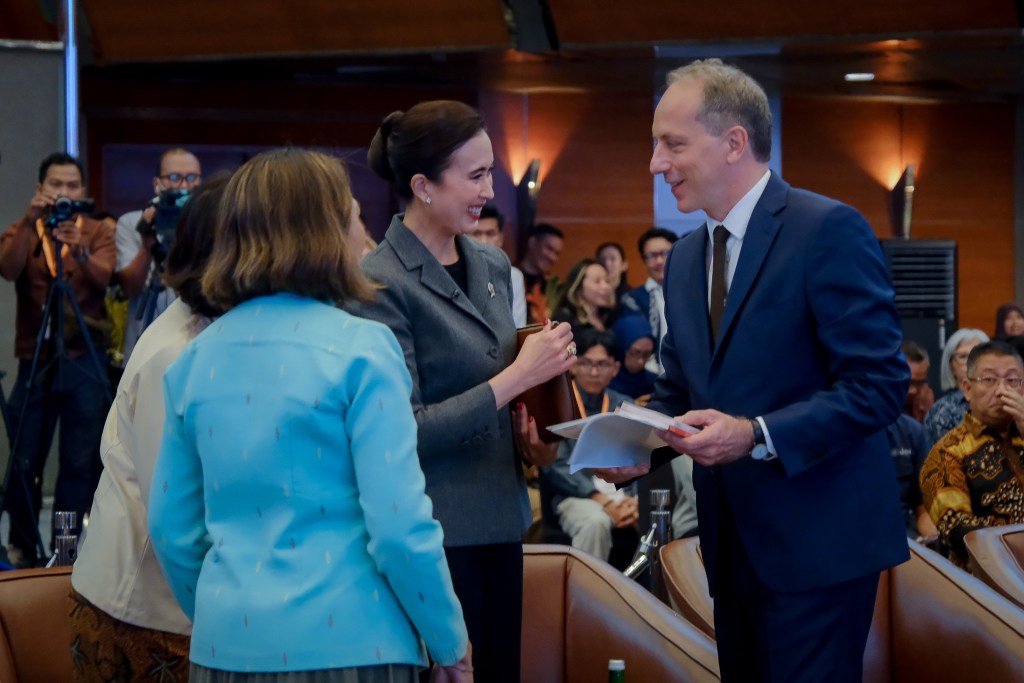
Chef Collaboration will carry the celebration into October, pairing chefs, hotels, restaurants and creative industry players for limited-period gastronomic experiences. Among the participating names are The Dharmawangsa Jakarta with Emmanuel Julio and Ragil Imam Wibowo; Fairmont Jakarta with Petty Elliott; Park Hyatt Jakarta with the Indonesian Pastry Bakery Society; ROSO at The Meru Bali with Degan Septoadji; and Hotel Indonesia Kempinski Jakarta with Jovan Koraag of Mata Karanjang.
Further collaborations include ROSO at Grand Hotel De Djokja with Philip Walasary, Agus Hermawan and Glennaldy Adrian Erari; Alice at The Langham Jakarta with Maurizio Bombini of MAURI Restaurant Bali; Capella Ubud with Ade Putri; and a special brunch at Obin House.
A culinary dialogue between Indonesia and France
Gastronomy also becomes a meeting point between cultures through WIG 2026’s collaboration with the French Embassy and Institut Français d’Indonésie (IFI). As part of Rendez-Vous Rasa: France-Indonesia Gastronomy Week 2026, the partnership will explore the connections between the two countries’ culinary traditions and their shared interest in preserving and renewing gastronomic heritage.
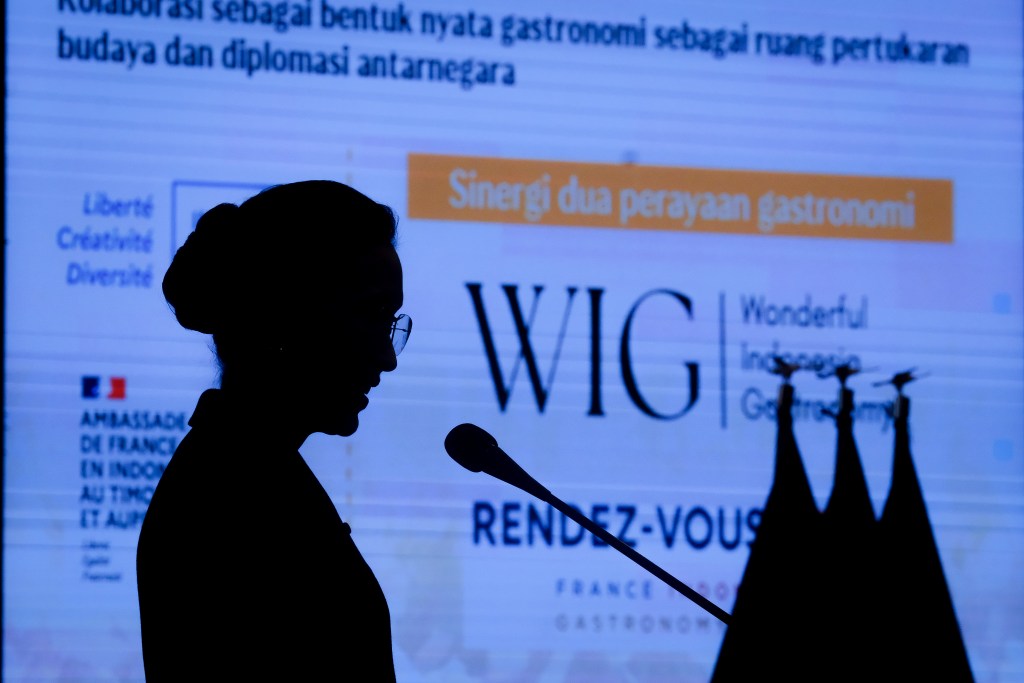
A highlight comes on opening night, when Indonesian chefs Degan Septoadji and Wayan Ari Wibowo join French two-MICHELIN-starred chef Stéphane Carrade for a Six-Hands Dinner at Pura Mangkunegaran. French chefs will also participate in cooking demonstrations at the Bali Tourism Polytechnic on 25 September and Medan Tourism Polytechnic on 29 September.
Taking Indonesian gastronomy further
The reach of WIG 2026 extends well beyond Solo and Yogyakarta. From 7 October to 1 November, a Culinary Festival held in collaboration with the Indonesian Shopping Centre Management Association (APPBI) will bring culinary programmes and promotions to 32 shopping centres across 14 Indonesian cities, including Jakarta, Surakarta, Denpasar, Bandung and Kendari.
Meanwhile, Indonesia Restaurant Months, themed Beyond the Plate, will run from 7 October to 31 December in collaboration with Priceless by Mastercard. The programme will involve 150 curated restaurants across destinations including Jakarta, Bali, Semarang, Surabaya, Yogyakarta and Solo, offering Mastercard cardholders special offers and privileges while encouraging diners to discover the stories, people, ingredients and traditions behind each experience.
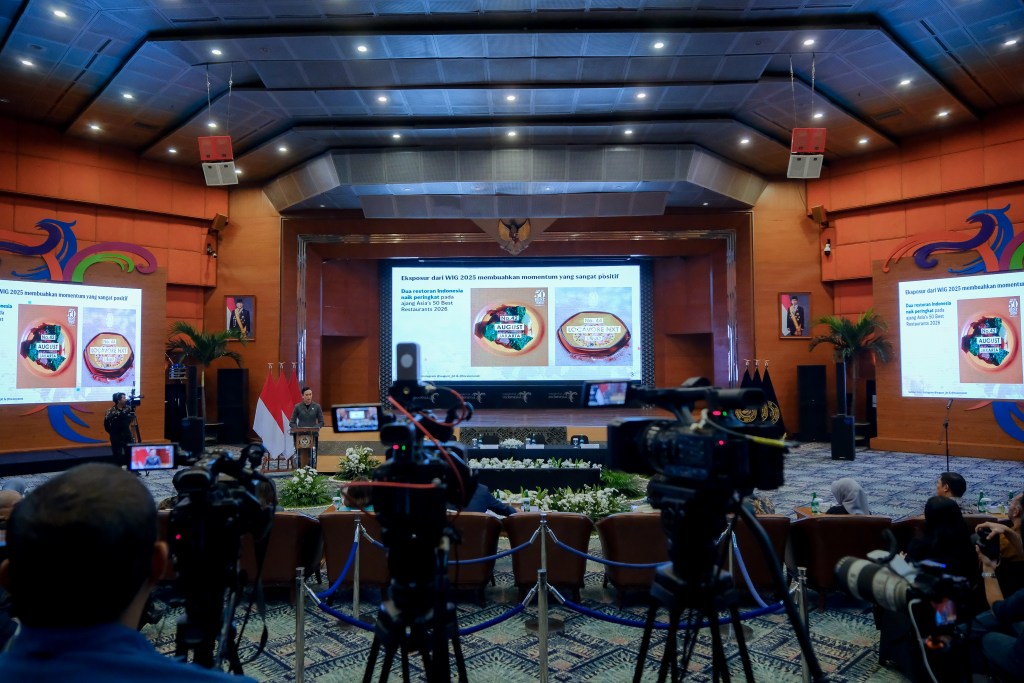
It is an approach that places the people behind Indonesian food firmly in the spotlight. As Vita Datau, chairperson of the Indonesia Gastronomy Network, puts it, gastronomy is about more than what is served; it is a means of understanding where communities come from, how they live and what makes each region distinctive.
And perhaps that is where the real richness of Indonesian gastronomy lies: not simply in the extraordinary diversity of its dishes, but in the stories, landscapes and communities contained within them. With WIG 2026, those stories are being given a wider stage – inviting both Indonesians and international travellers to taste, explore and better understand the living culinary heritage of the archipelago.
For more information, visit indonesiagastronomy.com and @wigastronomy.
