


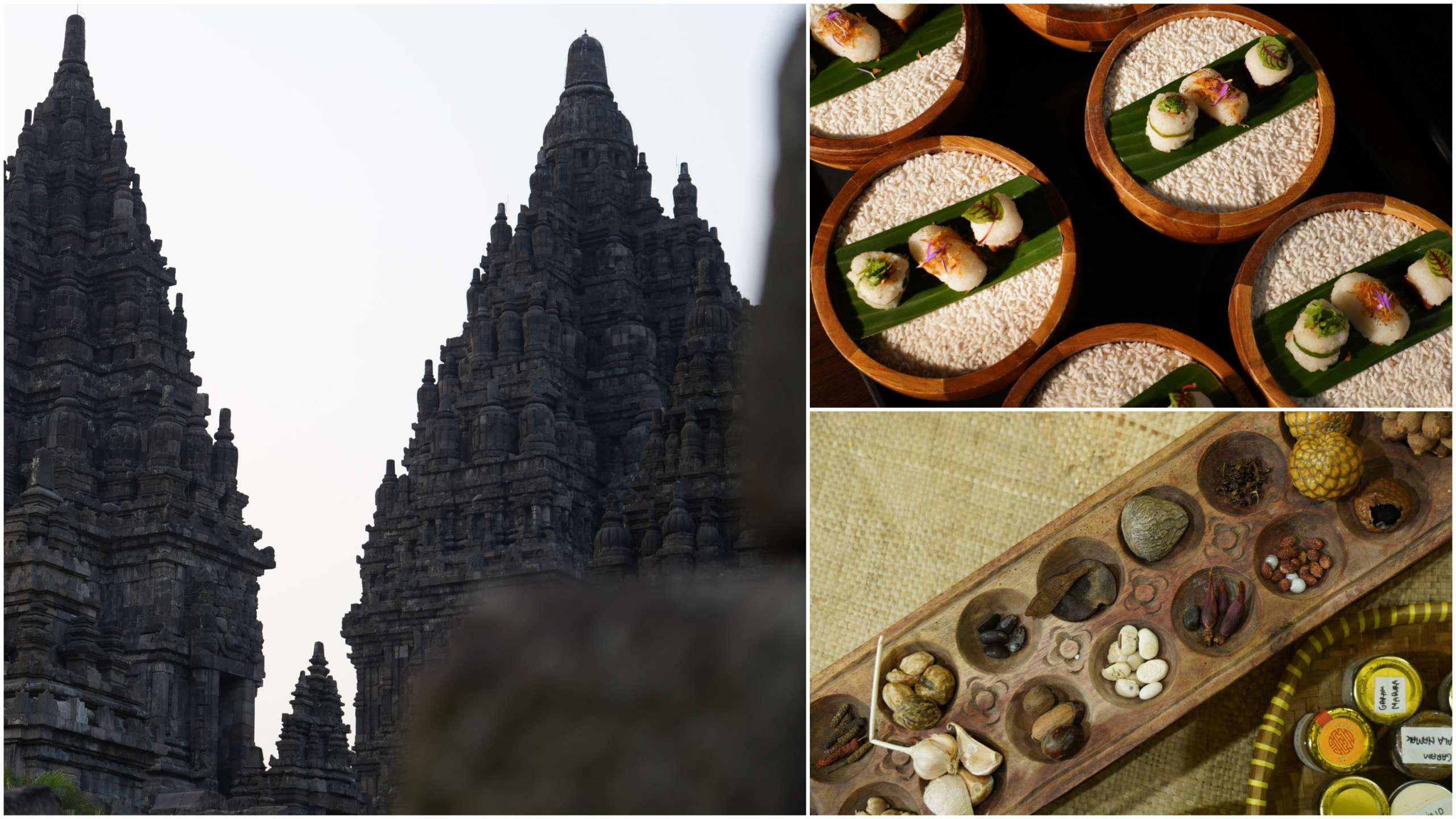

From royal dining traditions to bustling markets and contemporary kitchens, Wonderful Indonesia Gastronomy (WIG) 2026 explores the culinary and cultural heritage of Solo and Yogyakarta.
Food has always been an integral part of Indonesia’s cultural identity, with regional dishes, ingredients and cooking traditions reflecting centuries of history and local customs. Now in its second edition, Wonderful Indonesia Gastronomy (WIG) 2026 takes a closer look at these connections under the theme From Local Roots to Global Recognition. Organised by the Ministry of Tourism in collaboration with the Indonesia Gastronomy Network, this year’s programme shifts its focus from the country’s established gourmet dining scene to the broader stories behind its culinary heritage.
Through a seven-day exploration of Solo and Yogyakarta, invited media and international tastemakers encountered everything from royal dining ceremonies and traditional markets to local artisans and contemporary interpretations of Javanese cuisine, revealing how food continues to connect communities with their cultural roots.
Rediscovering Solo
There is something unexpectedly pleasant about Solo in the early morning. Its streets are noticeably quieter than Jakarta’s, with relatively little traffic, cleaner air and the occasional becak moving alongside motorcycles and cars. Even the railway remains part of the city’s street-level character, with trains passing through its urban centre. Returning to Solo, these small details made as much of an impression as the celebrated cultural landmarks.
Known formally as Surakarta, Solo has long been associated with Javanese royal traditions, batik and a distinctive culinary identity. Yet its appeal extends beyond historic buildings and familiar dishes. During the three-day Solo leg of WIG 2026, the city revealed itself through everyday meals, neighbourhood walks, traditional craftsmanship and an elaborate royal dinner, offering different perspectives on the relationship between food and Javanese culture.
The introduction began almost immediately after landing at Adisumarmo Airport, with lunch at Adem Ayem, one of Solo’s longstanding family restaurants. Accompanied by a performing keroncong band as our backsound, a generous spread of Central Javanese favourites filled the table, from soto and pecel to bistik, gudeg and the restaurant’s renowned ayam goreng. Served for sharing, the meal offered a straightforward introduction to the region’s preference for sweet, savoury and gently spiced flavours.
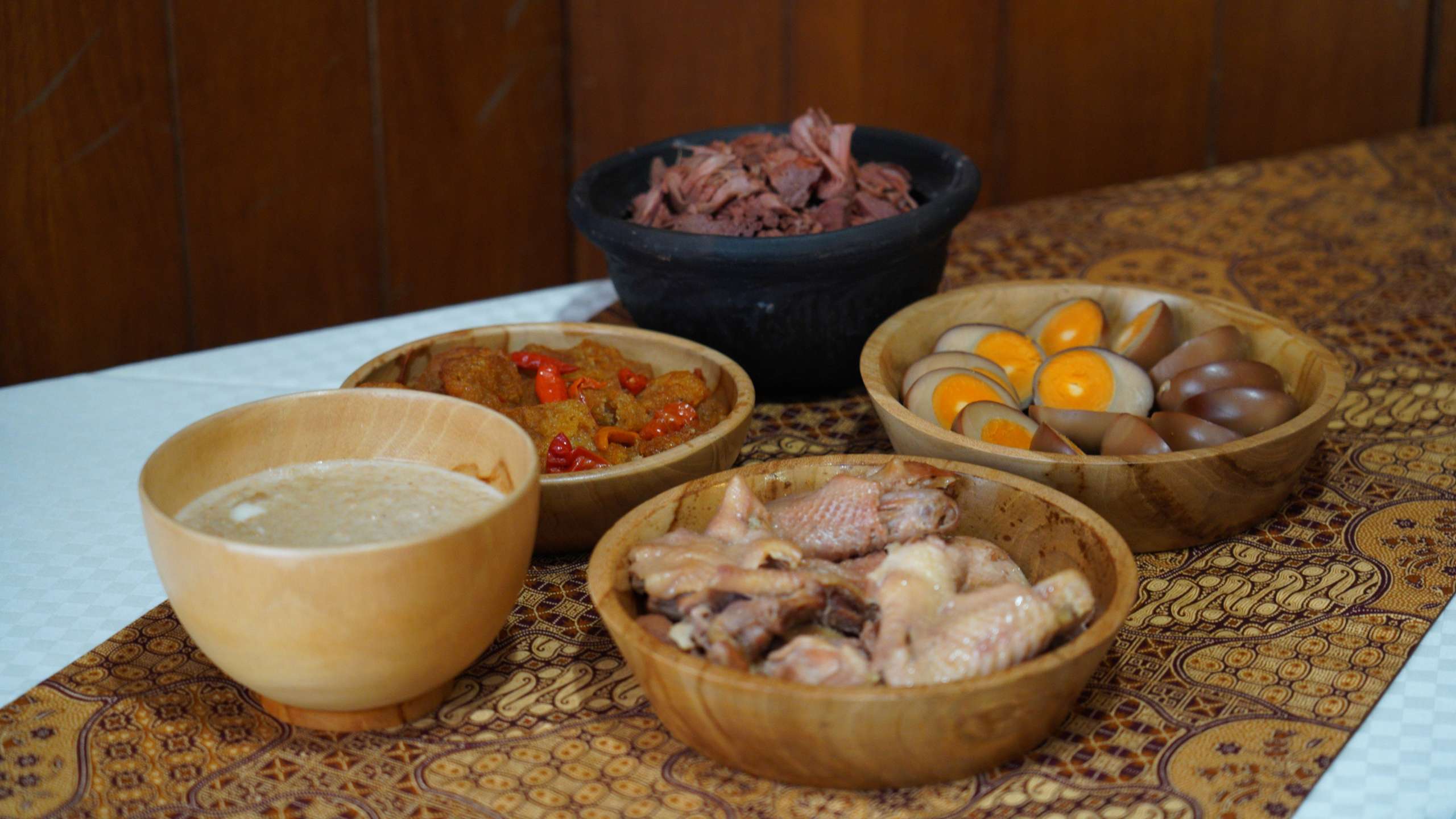
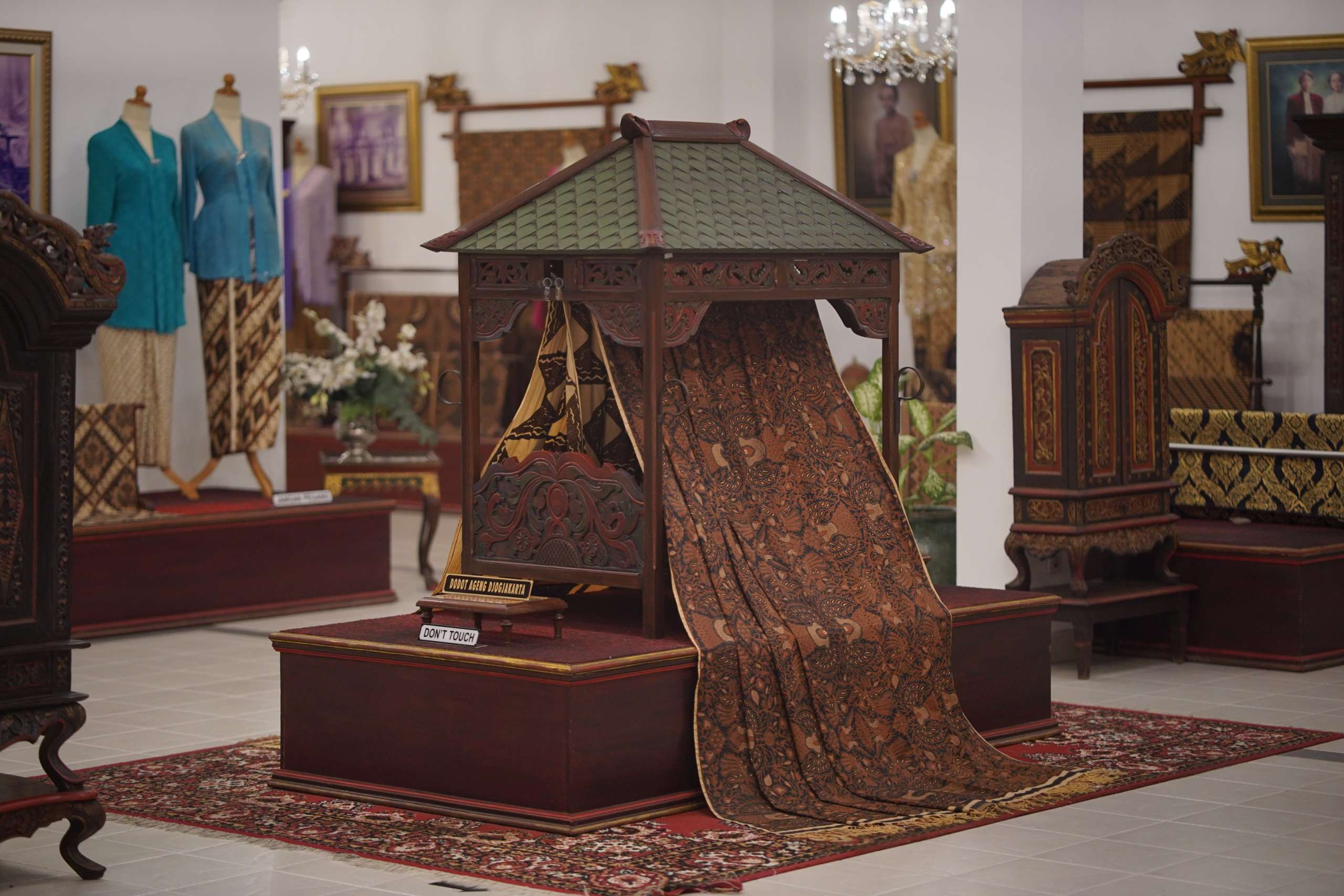
From the dining table, the group moved into the narrow streets of Kampung Batik Laweyan, one of Solo’s historic batik-producing neighbourhoods. Its winding lanes are lined with old merchant houses, workshops and buildings that reflect the prosperity once generated by the local batik trade. Laweyan offered an early reminder that Solo’s cultural history is inseparable from its neighbourhoods. Behind the old façades and along the quieter lanes, batik remains part of the district’s identity, connecting the city’s architectural heritage with generations of textile makers.
The walk took in Kale Locale and Ndalem Djimatan, a historic residence, before ending with cold drinks and traditional Javanese snacks at Roemahkoe Heritage Hotel, itself housed in a former batik merchant’s home.
At the royal table
After checking in at Mahalaya, The Legacy Hotel, a centrally located property combining contemporary interiors with classical Javanese references, the group headed to Pura Mangkunegaran. One of Solo’s two surviving royal courts, alongside Keraton Surakarta Hadiningrat, the palace remains an important centre of Javanese art, ceremonies and cultural traditions.
A guided tour through the palace complex introduced its history and architecture before afternoon tea at Pracimasana Mangkunegaran, the palace’s dining establishment. The visit then took a more ceremonial turn as guests changed into traditional Javanese attire. Men wore beskap jackets, batik kain and blangkon headdresses, complete with keris, while women appeared in kebaya, batik and traditional hair arrangements.

The setting for the evening was Pendopo Ageng, Mangkunegaran’s grand ceremonial pavilion. The royal dinner began with a performance of Golek Montro, followed by the arrival of Kanjeng Gusti Pangeran Adipati Arya Mangkunegara X, popularly known as Gusti Bhre. After his welcome, Minister of Tourism Widiyanti Putri Wardhana officially opened WIG 2026, setting the stage for a six-hands dinner developed in collaboration with the French Embassy and Institut Français d’Indonésie.
Titled When Heritage Speaks to the World, the dinner brought together French chef Stéphane Carrade of the two-MICHELIN-starred Le Skiff Club, Indonesian chef Degan Septoadji, who has family ties to Mangkunegaran, and Pracimasana executive chef Wayan Ari Wibowo.
The menu drew on Javanese culinary traditions while incorporating French techniques and contemporary presentation. Sosis Solo appeared as a crisp chicken-filled amuse-bouche, followed by salmon lodeh, which reinterpreted the familiar coconut-based vegetable dish. Sup Ayam Belimbing Wuluh combined golden chicken consommé with the sharpness of bilimbi, while the main-course choices included Iwak à la Meunière and Daging Bumbu Empal.
Dessert continued the exchange between culinary cultures. Rujak Buah offered a contemporary reading of Indonesia’s familiar fruit preparation, followed by Klepon Macaron, combining the flavours of pandan, palm sugar and coconut with French patisserie.
The evening illustrated one of WIG’s central ambitions: introducing Indonesian culinary heritage to international audiences while giving established traditions room for contemporary interpretation. Against the backdrop of Mangkunegaran’s royal pavilion, the collaboration connected the history of Javanese court dining with the possibilities of a modern gastronomic table.
Beyond the palace
The following morning brought a change of scenery, with a drive towards the cooler hills of Tawangmangu and Atsiri Jawa, a wellness destination developed by Rumah Atsiri Indonesia. Surrounded by gardens and views towards Mount Lawu, the complex brings together aromatic plants, essential-oil production, wellness treatments and dining experiences.
The visit moved between a garden tour, yoga-slash-Javanese dance, a fragrance workshop and a massage, revealing how Indonesia’s botanical resources can be experienced beyond the kitchen. Lunch returned the focus to regional ingredients through dishes such as Sup Ayam Rempah, Nasi Daun Jeruk, Oseng Nangka Muda and Lodeh Kakap. The combination of herbal knowledge, agriculture and food offered another perspective on the connections between local produce and cultural practices.

Back in Solo, the afternoon continued at House of Danar Hadi, where an extensive batik collection traces the development of Indonesian textiles through different periods and cultural influences. The museum visit was followed by an opportunity to try two traditional batik-making techniques: drawing patterns with hot wax using a canting and applying designs with a copper stamp, or cap.
Dinner at the adjoining Soga restaurant took the form of a modern angkringan-style buffet, bringing together nasi liwet, garang asem, mie godhog, ledre and familiar street-food accompaniments such as gorengan, bacem and satay.
The evening was not quite over. An unscheduled visit to Sate Kambing Mas Pinchuk, a 24-hour goat-satay establishment, introduced a livelier side of Solo’s food culture. The menu ranged from sate kambing and sate klathak to buntel, gulai and tongseng. Adding to the spontaneity, the visiting media group even made an appearance on the restaurant’s TikTok livestream.
It was a memorable contrast to the previous evening’s formal royal dinner, and an equally revealing expression of how people gather around food.
Before the city wakes
The final morning began before sunrise. While the group travelled by bus to Pasar Gedhe, a run through the surrounding neighbourhoods offered another look at Solo’s everyday rhythm. Its manageable streets, comparatively light traffic and slower pace made the city feel particularly approachable on foot.
By six in the morning, Pasar Gedhe was already busy with vendors and shoppers moving through its crowded aisles. The historic market offered a lively assortment of produce, herbs, tea, jamu and freshly prepared food. Among the morning’s stops were dawet telasih at Ibu Hj. Sipon and tiwul at Yu Sum, followed by coffee at Toko Kopi Pojok. A few spontaneous purchases, including cakwe and pork stew, completed an unofficial breakfast.


After two days of royal ceremonies, batik workshops and carefully prepared meals, the market brought the experience back to the everyday routines that sustain Solo’s food culture. The same culinary traditions encountered in restaurants and formal settings remained present here, among vendors, regular customers and dishes prepared for the morning trade.
From Pasar Gedhe, the group returned to the hotel before departing for Yogyakarta by panoramic train. Solo had offered far more than an introduction to Central Javanese cuisine. Its food, royal heritage, craftsmanship and unhurried urban character had revealed a city where cultural traditions remain closely connected to daily life.
Living the heritage
Javanese legacy exists across the archipelago, adding a grounded layer to Indonesia’s vibrant culture as a whole. Alongside Solo, Yogyakarta stands as a region that keeps Javanese heritage close to daily life, especially on the plate.


WIG 2026 continued with a journey to the Special Region of Yogyakarta from Solo by panoramic train, where the landscape unfolded before our eyes as the train carried us through the countryside. The scenic ride culminated at Wiji Restaurant within Grand Hotel De Djokja, just a short walk from Yogyakarta “Tugu” Station.
At Wiji Restaurant, Chef Philip Walasary had prepared the Taste of Nostalgia set menu, a welcome refreshment after the inter-city journey. A shift from the flavours of Solo, the menu featured mostly Dutch-influenced dishes that Chef Philip grew up with in his Ambon home. From golden Dutch croquettes and Huzarensalade potato salad to Erwtensoep split pea soup and Biefstuk, the menu offered a glimpse into the chef’s childhood and the family legacy he continues to cherish.


From one enduring family legacy, the Yogyakarta leg of WIG 2026 moved into another at Taman Sari Water Palace, a heritage site that once served as a place of leisure for the Keraton Yogyakarta royal family. Here, Javanese tea traditions continue through the Patehan Afternoon Tea session, where black and green tea are blended and served alongside traditional snacks including Rengginang, Jadah Manten, and Wingko.


Beyond royal traditions, Javanese dining rituals also find their way into casual eateries, such as Loka Nusa, where the culinary legacy of Kotagede comes alive through dishes best shared and savoured lesehan-style. Meanwhile, a stroll around Kotagede, particularly near Pasar Kotagede, reveals traditional snacks that are as old as the neighbourhood itself, still enjoyed by local residents as part of their everyday lives.


The same living heritage extends beyond the plate, with silver artisans continuing Kotagede’s time-honoured smithing traditions from one generation to the next. Among them is Salim Silver, where the craft remains very much part of the neighbourhood’s living culture.


Savouring the legacy
Javanese gastronomy is more than a folktale of culinary traditions passed down through generations. Its practices and ingredients have been recorded through time, offering glimpses into how people once lived, ate, and gathered. Borobudur Temple in Magelang and Prambanan Temple in Yogyakarta are two ancient monuments whose reliefs chronicle these aspects of Javanese life. From local fruits, vegetables, and meats to the ways food was prepared and shared, the WIG 2026 journey offered an opportunity to look closely at a way of life that continues to be valued and practised today.


At Hotel Le Temple Borobudur, these regional traditions were brought to the table in a more refined setting. Staying true to the Javanese tradition of sharing dishes, Bothok Daun Kelor, Tahu & Tempe Bacem, Ayam Ingkung, and Mangut Beong Asap were placed alongside white, brown, and turmeric-yellow rice at the centre of the table, inviting diners to eat as they would among family. The lunch began with Kupat Tahu Magelang and sugarcane juice, bringing together two local favourites in a sweet introduction to the regional palate.


The experience of Javanese culinary customs continued at Royal Ambarrukmo Yogyakarta, where WIG 2026 participants were welcomed to a royal-inspired dinner at Kedhaton Ambarrukmo, a royal heritage site within the hotel. The Ladhosan Dhahar menu drew from the rijsttafel tradition once associated with royal dining, presenting dishes including Dendeng Age, Lombok Kethok, and Setup Pakis Taji alongside pandan rice, chilli sambal, and prawn crackers.


At Grand Hotel De Djokja’s Roso Restaurant, the story expanded beyond Java. Chef Philip and Chef Agus Hermawan of Ron Gastro Bar presented PULANG: Two Chefs, Many Islands, One Indonesian Table, a five-course journey across the archipelago. The menu moved from Tuna Kohu of Maluku and Scallop Asinan Bogor from West Java to Sop Matahari from Solo, Sate Maranggi Short Ribs from West Java, and Mi Gomak Lobster from North Sumatra. Each course was paired with a curated cocktail, giving familiar Indonesian flavours a contemporary expression while keeping their regional identities at the heart of the experience.


Embracing the modern table
The WIG 2026 journey did not stop at hotel restaurants and refined tables. It went further, behind the scenes and into storage rooms, kitchens, and markets, revealing the people and produce that shape what eventually arrives on the plate. At Pasar Ngasem, tradition unfolded as part of everyday life, with sellers and buyers exchanging conversation, local produce moving from market stalls into households, and culinary customs continuing almost unnoticed by those who practise them.


Some sellers are master artisans in their own right. Mazaraat Artisan Cheese, for instance, is an Indonesian artisan cheesemaker led by a certified cheese master, a qualification held by only a handful of people in Southeast Asia. At a time when cheese-making remains relatively uncommon among Indonesian artisans, Mazaraat has taken the opportunity to bring local farms, ranches, and dairy to the forefront. The result is a range of cheeses shaped by the character of Yogyakarta’s local milk, which now finds its way into contemporary creations at hotels and restaurants across Indonesia.


As sustainability becomes an increasingly important part of the modern culinary scene, Bhumi Bhuvana brings the conversation back to Indonesian locality. For WIG 2026, the culinary archival house hosted a session on creating healthy Indonesian-inspired bites, serving Acehnese asam udang with tempeh and crackers. It was a reminder that tradition does not have to remain fixed in time. With room for reinterpretation, familiar ingredients and recipes can take on new forms while retaining the cultural stories behind them.


In partnership with Hotel Tentrem Yogyakarta, Bhumi Bhuvana continued this exploration through Boja The Magic Table, taking diners on a culinary journey across Java through dishes recorded in Serat Centhini. Sustainability remained at the heart of the experience, while regional spices heightened the distinctive flavours of each dish. Sukun Prana, Lodeh Ares, Besengek Tempeh, and Hadangan Prana were served alongside Nasi Megono Pekalongan, presented inside a steamed pumpkin as Boja’s signature centrepiece.


The evening then took another contemporary turn at Hotel Tentrem Yogyakarta’s Eboni Bar and Lounge, where The Eboni Rituals presented craft cocktails inspired by Yogyakarta’s Cosmological Axis. Meanwhile, Mediterranea Restaurant by Kamil offered another expression of the city’s evolving dining landscape, bringing Mediterranean favourites to a Javanese table.
Looking beyond the plate
The WIG 2026 journey culminated in an opening ceremony at Grand Hotel De Djokja, followed by WIG Talks, bringing together 22 speakers across five seminar sessions and a book review. The conversations looked beyond the culinary experiences of the Solo–Yogyakarta journey, exploring the wider stories, people, and practices that shape Indonesia’s gastronomic landscape.

The programme also marked the launch of two publications documenting culinary traditions and destinations beyond the itinerary. Indonesia Gourmet Guide presents a curated selection of restaurants in key cities participating in the programme, while Indonesia Local Eateries turns its attention to restaurants, traditional eateries, markets, and culinary centres that reflect the everyday dining culture of Indonesian communities. Together, they extend the conversation from where to eat to the people, places, and traditions that make each dining experience meaningful.
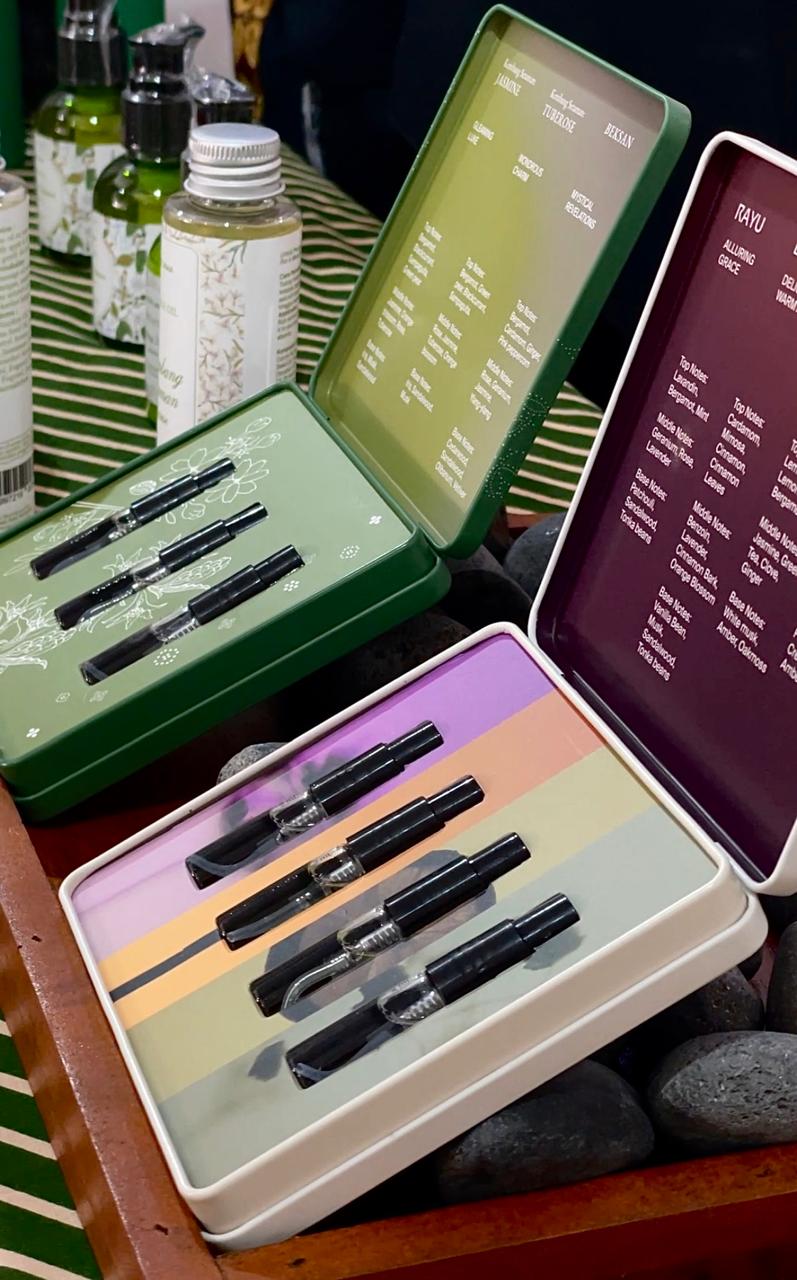
The insightful discussions then continued downstairs at the Artisan Market, which brought together 21 tenants from Yogyakarta, Solo, Semarang, and Jakarta from 2–4 October. Across the three-day event, the public could discover premium local brands that represent the growing breadth of Indonesia’s culinary and creative industries, including Atsiri Jawa, Agradaya, Home of Kawa, and Adore Cacao, among many others.
From ancient reliefs and family recipes to markets, artisans, producers, restaurants, and the people keeping these traditions alive, WIG 2026 revealed that Indonesian gastronomy extends far beyond what arrives on the plate. It lives in the hands that make it, the communities that carry it forward, and the stories that give every ingredient, dish, and dining tradition a sense of place.
Text by Rizki Pradana and Dimas Ponco
Learn more about WIG 2026 on indonesiagastronomy.com
